
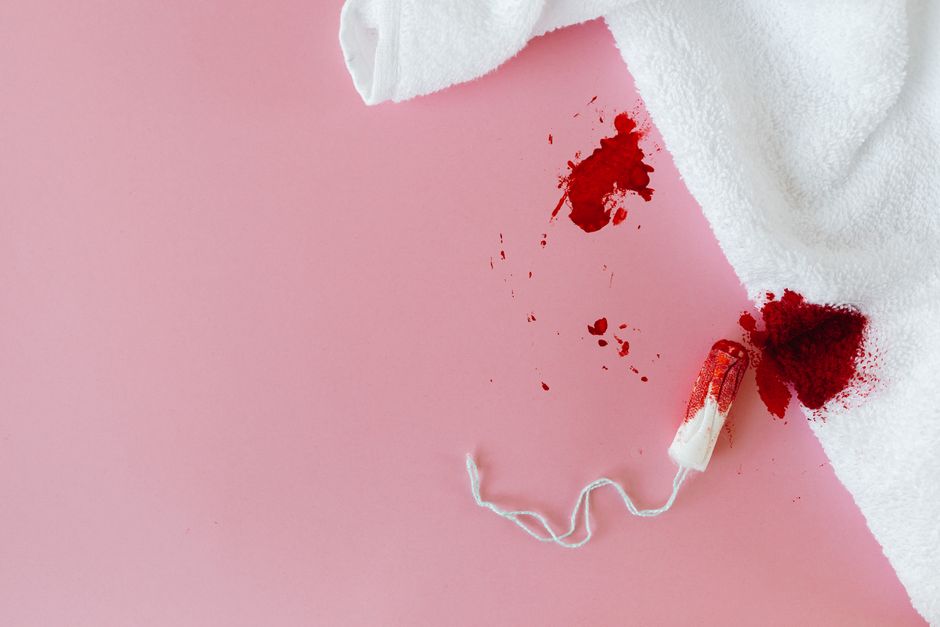
If you notice brown blood during your period, it usually just means the blood is older and took longer to leave your body. As blood sits in the uterus or vagina, it reacts with oxygen and turns from red to brown. This is most common at the very beginning or end of your period when the flow is lighter. For most people, brown period blood is a normal finding and not a reason to worry.
What does it mean when your period blood is brown?
The brown color comes from oxidation. When blood is exposed to oxygen, the iron in hemoglobin changes, turning the blood a darker, brownish shade. Fresh blood that flows quickly out of the body stays bright red. But when the flow is slow, blood has more time to oxidize before you see it. That is why brown blood often shows up when your flow is light — at the start or end of your period. It is also why spotting between periods can appear brown.
This is a normal part of the menstrual cycle for many women. As long as you are not experiencing other concerning symptoms, brown blood alone is not a sign of a problem.
What causes brown period blood?
The main cause is slow flow. When the uterine lining sheds more slowly, blood lingers longer and oxidizes. Several factors can slow the flow:
- Low estrogen levels. Estrogen helps thicken the uterine lining. If levels are low, the lining may be thin and shed slowly, leading to brown discharge.
- Hormonal birth control. Some types, especially progestin-only pills or hormonal IUDs, can cause lighter, slower periods that produce brown blood.
- Pregnancy. Implantation bleeding or early pregnancy spotting can be brown. If there is any chance you could be pregnant, a pregnancy test is a good idea.
- Perimenopause. As estrogen fluctuates in the years before menopause, periods can become irregular, and brown blood is common.
- Retained tissue. After childbirth, miscarriage, or an abortion, small pieces of tissue left in the uterus can cause brown spotting. This usually resolves on its own, but sometimes medical attention is needed.
Is brown period blood ever a sign of something serious?
In most cases, no. But there are a few situations where brown discharge could point to a medical condition. If it is accompanied by foul odor, pelvic pain, fever, or heavy bleeding, it could indicate an infection or other issue. Brown blood that occurs outside of your normal period cycle — and does not follow a pattern — may be worth discussing with a doctor.
Possible causes that are less common but more serious include:
- Pelvic inflammatory disease (PID). An infection of the reproductive organs that can cause abnormal bleeding, including brown discharge with a bad smell.
- Uterine polyps or fibroids. These growths can cause irregular bleeding that may appear brown, especially if the flow is light.
- Cervical or endometrial cancer. Brown spotting between periods or after intercourse can sometimes be an early sign. However, most brown blood is not cancer. These cancers are relatively rare, and brown blood alone is rarely the only symptom.
If you are unsure, it is always reasonable to check with your healthcare provider, especially if the brown blood lasts longer than a few days or comes with pain.





What does the color of period blood mean?
Period blood can range from bright red to dark red to brown, and occasionally pink or black. Each shade tells you something about how long the blood has been outside your body and how fast it is flowing:
- Bright red. Fresh blood with a normal to heavy flow. Common in the middle of your period.
- Dark red. Blood that has taken a bit longer to exit. Very normal for most of your period.
- Brown. Older blood. Normal at the beginning or end of a period, or with very light flow.
- Pink. Usually light flow mixed with cervical fluid. Can be normal, but if it appears mid-cycle outside of your period, it may be ovulation spotting.
- Black. Very old blood that has oxidized heavily. Often appears just before or after a period. Rarely, it can be a sign of a blockage in the vagina, but that is uncommon.
No single color is a reliable indicator of a health problem by itself. The pattern, duration, and other symptoms matter more.
Can brown period blood happen during pregnancy?
Yes. Some spotting in early pregnancy is normal and can be brown. Implantation bleeding — when the embryo attaches to the uterine lining — often appears as light brown or pink spotting. This usually happens around the time your period would have been due.
However, brown blood during pregnancy can also be a sign of a miscarriage or an ectopic pregnancy, especially if it is accompanied by cramping, abdominal pain, or heavy bleeding. If you are pregnant and see brown blood, contact your healthcare provider for guidance. Many times it turns out to be nothing serious, but it deserves a check.
When should you see a doctor about brown period blood?
You do not need to see a doctor for occasional brown blood at the start or end of your period. But make an appointment if you notice any of these:
- Brown blood that lasts more than a few days and is different from your usual pattern
- Brown discharge that comes with a bad odor, itching, or burning
- Pain in your lower abdomen or pelvis
- Fever or chills
- Heavy bleeding (soaking through a pad or tampon every hour)
- Brown spotting between periods when you are not on hormonal birth control
- You are pregnant or might be pregnant
A doctor can run simple tests — like a pelvic exam, ultrasound, or STI screen — to rule out infection or other problems. Most of the time, brown blood is nothing to worry about, but it is always okay to ask.
Frequently Asked Questions
Is brown blood normal at the start of your period?
Yes. It is very common to have brown blood on the first day or two when the flow is light and blood has time to oxidize.
Can brown period blood mean pregnancy?
Brown spotting can sometimes be a sign of early pregnancy, especially around the time of implantation. If you think you might be pregnant, take a home test or see a doctor.
When should I worry about brown period blood?
Worry if it comes with pain, fever, a bad smell, or if it is heavy. Also see a doctor if brown blood appears between periods or lasts many days longer than your usual period.
