
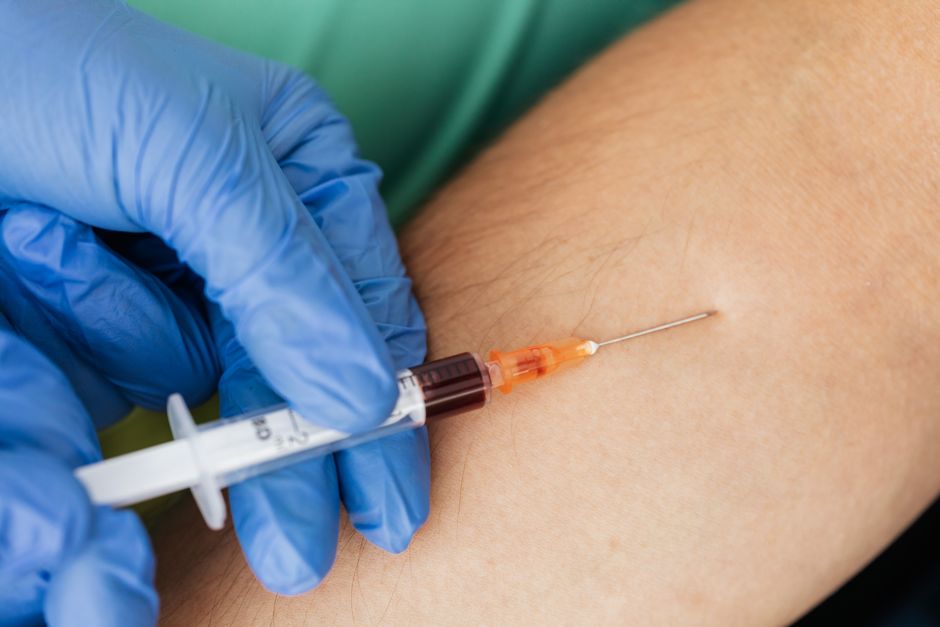
Fasting before bloodwork usually means no food or drink except water for 8 to 12 hours. The exact time depends on which tests your doctor ordered. Most routine cholesterol and glucose tests need an 8 to 12 hour fast. Some tests do not require fasting at all. Your doctor’s instructions are the final word, but this guide explains the standard times and why they matter.
How Many Hrs To Fast For Bloodwork? Facts
The standard fasting window for bloodwork is 8 to 12 hours. Most doctors ask for a 12-hour fast for lipid panels and a shorter 8-hour fast for basic metabolic panels. During this time, you may drink plain water. Black coffee, tea, juice, and gum all break the fast and can change your results.
The reason is simple. Food changes the levels of certain substances in your blood. Glucose rises after you eat. Triglycerides spike for hours after a meal. If you do not fast, your doctor cannot tell if those numbers reflect your normal state or just your last meal.
Which Blood Tests Require Fasting?
Not every blood test needs fasting. Knowing which ones do can save you an unnecessary 12 hours without food.
Tests that usually require fasting:
- Lipid panel (cholesterol, LDL, HDL, triglycerides) — usually 9 to 12 hours
- Fasting blood glucose — usually 8 hours
- Basic or comprehensive metabolic panel — usually 8 to 12 hours
- Hemoglobin A1c — fasting is not required, but some labs still ask
Tests that usually do not require fasting:
- Complete blood count (CBC)
- Thyroid function tests (TSH, T3, T4)
- Vitamin D levels
- Liver function tests
- Kidney function tests
Some newer guidelines suggest that non-fasting lipid tests may be acceptable for screening purposes. However, most doctors still prefer fasting for the most accurate triglyceride measurement. Follow your specific lab’s instructions.
Why Fasting Affects Your Blood Test Results
Your body processes food in predictable ways. After a meal, carbohydrates break down into glucose, which enters your bloodstream. Insulin rises to move that glucose into your cells. If you test your blood sugar during this window, the number reflects your body’s response to that meal — not your baseline fasting state.
Fats behave differently. Dietary fat gets packaged into particles called chylomicrons. These particles circulate in your blood for hours after a fatty meal. This is why triglycerides can be falsely elevated if you eat before a lipid panel. A single fast-food meal can raise triglycerides for 8 to 10 hours.
Your fasting bloodwork gives your doctor a standardized snapshot. It removes the variable of recent food intake so results can be compared to reference ranges and to your own previous tests.

What Counts as Breaking a Fast?
Water is the only thing that is completely safe during a fasting blood test. It does not affect glucose, lipids, or most other measured substances. Staying hydrated also makes your veins easier to find.
Anything else can potentially affect results. This includes:
- Black coffee or tea — caffeine can affect glucose and insulin levels
- Sugar-free gum — artificial sweeteners may trigger an insulin response in some people
- Mints or hard candy — even small amounts of sugar change glucose
- Alcohol — affects liver enzymes and glucose metabolism
- Vitamins or supplements — some supplements like biotin interfere with lab assays
- Nicotine — can raise glucose and certain hormone levels
If you take daily prescription medications, ask your doctor whether to take them before or after the blood draw. Some medications must be taken with food. Others need to be held for the test. Do not stop any prescription medication without explicit instructions.
Can You Take Your Morning Medications While Fasting?
This depends entirely on the medication. Some blood pressure medications can be taken with water and do not affect most lab tests. Others, like diabetes medications, must be timed carefully around food and can cause dangerous low blood sugar if taken without eating.
Tell your doctor every medication you take — prescriptions, over-the-counter drugs, vitamins, and supplements. Ask specifically about each one. Do not assume that a supplement is harmless. Biotin, for example, is known to interfere with thyroid tests and cardiac biomarker tests. High doses can make results appear falsely abnormal.
If your doctor says to hold a medication until after the draw, write it down. It is easy to forget when you are rushing to the lab first thing in the morning.
Tips for a Smooth Fasting Blood Draw
Schedule your appointment for early morning. This makes the fast easier because you spend most of it asleep. Most people can fast from 8 PM to 8 AM without significant discomfort.
Drink extra water the evening before and a glass or two in the morning. Dehydration makes blood draws harder and can concentrate your blood, which may affect certain measurements. Water does not break the fast.
If you feel faint or dizzy, tell the phlebotomist immediately. Some people experience low blood sugar symptoms during fasting, especially if they are used to eating frequently. The blood draw itself takes only a few minutes, and eating right afterward resolves these symptoms quickly.
Bring a snack to eat immediately after the draw. This is especially important if you have diabetes or a history of fainting with blood draws. A small snack in your bag ensures you can eat the moment the test is done.
What Happens If You Accidentally Eat?
Do not hide it. Tell the phlebotomist or your doctor that you ate. Eating invalidates the fasting portion of the test, and your doctor may make treatment decisions based on inaccurate numbers.
In most cases, the lab will reschedule your test. This is inconvenient but safer than acting on incorrect results. Some tests can still be interpreted with a note that you were non-fasting, but this is the exception, not the rule.
If you drank coffee or juice and then realized your mistake, call the lab before your appointment. They can tell you whether to come in or reschedule. Do not assume a small slip does not matter — even a few sips of juice can raise glucose significantly.
How Long Should You Fast for Specific Tests?
| Test | Fasting Time | Notes |
|---|---|---|
| Lipid panel | 9–12 hours | Triglycerides need the longest fast |
| Fasting glucose | 8 hours | Water allowed |
| Comprehensive metabolic panel | 8–12 hours | Glucose and kidney values affected by food |
| Hemoglobin A1c | No fasting needed | Reflects 2–3 month average glucose |
| Complete blood count | No fasting needed | Food does not significantly affect blood cells |
| Thyroid panel | No fasting needed | Take at same time of day for consistency |
These times reflect standard clinical practice. Some labs have their own protocols. Always defer to the written instructions from your specific lab or doctor.
Does Fasting Length Matter Beyond 12 Hours?
Longer is not better. Fasting beyond 12 hours can actually distort some results. Your body begins to shift into a different metabolic state, breaking down stored fat for energy. This can raise certain markers and lower others.
Blood glucose can drop after prolonged fasting, which is expected. But triglycerides can rise slightly after very long fasts because the liver releases stored fat. This creates a confusing picture that does not reflect your usual state.
Stick to the prescribed window. If your appointment is delayed and you pass the 12-hour mark, tell the phlebotomist. They may still draw your blood, but the results may need to be interpreted with caution.
Fasting for Bloodwork in Special Populations
Pregnant women often have different fasting requirements. Gestational diabetes screening uses a specific glucose drink and timed blood draws. Your obstetrician will give you exact instructions for this test — they differ from routine fasting bloodwork.
Children have shorter safe fasting windows. Infants and young children should not fast for extended periods because their glycogen stores are limited. Pediatric labs use age-specific protocols, and your child’s doctor will give you precise timing instructions.
People with diabetes need careful planning. Fasting can cause hypoglycemia, especially if you take insulin or certain oral medications. Your doctor should adjust your medication timing for the fasting period. Never skip meals on the day of bloodwork without discussing this with your doctor first.
Older adults may be more sensitive to fasting. Dehydration and dizziness are more common. If you live alone or have had falls, arrange for someone to drive you to the appointment and stay with you until you have eaten.
Frequently Asked Questions
Can I drink water while fasting for bloodwork?
Yes, plain water is allowed and encouraged. It keeps you hydrated, makes veins easier to find, and does not affect test results.
Can I drink coffee before a fasting blood test?
No. Black coffee can affect glucose and insulin levels, and cream or sugar definitely breaks the fast. Stick to water only.
What happens if I eat before fasting bloodwork?
Tell your doctor or the phlebotomist. Your results may be inaccurate, and the test may need to be rescheduled.
Can I take my vitamins before fasting bloodwork?
No. Some supplements, especially biotin, interfere with lab assays and can produce falsely abnormal results. Ask your doctor which supplements to hold.
