
When your blood sugar spikes, you want it down quickly. The fastest reliable ways are physical activity and water. Exercise makes your muscles pull glucose from your blood without needing extra insulin. Water helps your kidneys flush excess sugar out through urine. Both are free, safe, and work within minutes to hours. But they work differently, and neither replaces your prescribed medication.
How Fast Does Exercise Lower Blood Sugar?
Exercise is the single fastest natural way to lower blood sugar. When you move your muscles, they need fuel. They pull glucose directly from your bloodstream. This happens without insulin, which is why it works even for people with insulin resistance.
A brisk 15-minute walk after a meal can lower blood sugar noticeably within 30 minutes. The effect peaks around 1 to 2 hours after you finish. For many people, the drop is enough to bring a post-meal spike back into range.
The type of exercise matters. Moderate aerobic activity like walking, cycling, or swimming works best for immediate blood sugar reduction. High-intensity interval training also works but can sometimes cause a temporary rise first because your liver releases stored glucose to fuel the effort.
Strength training lowers blood sugar too, but on a slower timeline. Resistance exercise improves how your muscles take up glucose for up to 24 hours afterward. The fastest fix for a spike right now is aerobic movement.
Does Water Actually Lower Blood Sugar?
Water lowers blood sugar by a different mechanism. Your kidneys filter your blood constantly. When blood sugar is high, your kidneys work to excrete the excess glucose in urine. This requires water. If you are dehydrated, your kidneys cannot do this efficiently.
Drinking water does not directly neutralize sugar in your blood. It supports the process your body already uses to remove it. For someone who is mildly dehydrated, drinking two to three glasses of water can help bring blood sugar down within a few hours.
For someone already well-hydrated, extra water will not produce a dramatic drop. The benefit is real but modest compared to exercise. Still, it is one of the simplest habits for blood sugar management. Chronic dehydration is linked to higher average blood sugar levels, so consistent water intake matters.
Plain water is the best choice. Sugary drinks, fruit juices, and sweetened sports drinks raise blood sugar and defeat the purpose. Even flavored sparkling waters with added sugar can cause problems.
What Is the Fastest Way to Lower Blood Sugar at Home?
If your blood sugar is high and you are at home, movement is your first option. Walk around your house, march in place, or do light calisthenics. Ten minutes of movement is better than none. Twenty minutes is better.
Drink a glass of water while you move. This combination addresses both mechanisms at once: muscle glucose uptake and kidney filtration.
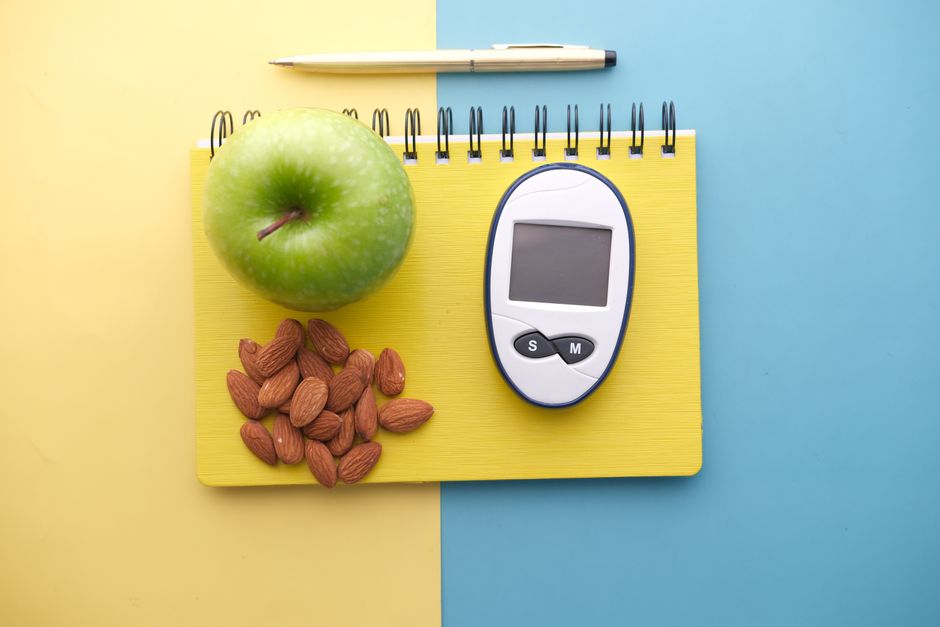
Check your blood sugar before and after. This tells you how your body responds. Some people see a dramatic drop from a short walk. Others see a modest change. Your response is your personal data.
Do not exercise if your blood sugar is above 240 mg/dL and you have ketones in your urine. This combination can be a sign of diabetic ketoacidosis, a medical emergency. Exercise can make it worse. Test for ketones if you have the strips. If you are unsure, contact your healthcare provider.




How Much Water Should You Drink for Blood Sugar Control?
General hydration guidelines suggest about 8 cups of water per day for adults. This varies with body size, activity level, climate, and medications. Some diabetes medications increase urination, which raises your water needs.
For blood sugar purposes, the goal is consistent hydration rather than chugging large amounts at once. Drinking water steadily throughout the day supports kidney function. A sudden large volume of water can dilute your blood and temporarily lower the measured glucose, but this effect is short-lived and not a treatment strategy.
Urine color is a practical guide. Pale yellow means well-hydrated. Dark yellow means you need more water. Clear urine means you are overhydrated, which is not harmful for most people but offers no extra blood sugar benefit.
What Else Works Quickly to Lower Blood Sugar?
Exercise and water are the safest quick options. A few other approaches have evidence behind them, but they come with caveats.
Apple cider vinegar has shown modest blood sugar-lowering effects in some studies. Taking 1 to 2 tablespoons diluted in water before a high-carb meal may reduce the post-meal spike. The evidence is not strong enough to call it a treatment, and it can irritate your throat or stomach. It also does not work for everyone.
Cinnamon is widely promoted for blood sugar control. Some small studies show a minor benefit. Larger reviews find inconsistent results. If you enjoy cinnamon, adding it to food is harmless. Do not expect it to fix a high reading.
Stress reduction matters more than most people realize. Stress hormones like cortisol raise blood sugar. Deep breathing for five minutes can lower stress hormones, which may help blood sugar drift down. This is slower than exercise but useful when you cannot move.
Sleep is not a fast fix, but poor sleep raises blood sugar the next day. A single night of short sleep can increase insulin resistance. This is a long-term factor, not an emergency intervention.
When Should You Seek Medical Help for High Blood Sugar?
Home strategies work for mild to moderate elevations. Some situations require immediate medical attention.
Blood sugar above 300 mg/dL that does not come down with water and movement is concerning. If you also have symptoms like extreme thirst, frequent urination, nausea, vomiting, abdominal pain, confusion, or fruity-smelling breath, seek emergency care. These can be signs of diabetic ketoacidosis or hyperosmolar hyperglycemic state. Both are serious and require hospital treatment.
If your blood sugar is consistently above your target range despite lifestyle efforts, talk to your healthcare provider. Your medication may need adjustment. Do not stop or change your medication based on an article. That decision belongs to you and your doctor.
Frequently Asked Questions
How long does it take for exercise to lower blood sugar?
Blood sugar typically starts dropping within 30 minutes of moderate exercise like walking. The full effect is usually seen 1 to 2 hours after you finish.
Can drinking water lower blood sugar quickly?
Water supports your kidneys in removing excess sugar through urine, which takes a few hours. It works best when you are dehydrated but is not as fast or powerful as exercise.
Is it safe to exercise when blood sugar is high?
It is generally safe for mild to moderate elevations, but do not exercise if your blood sugar is above 240 mg/dL and you have ketones present, as this can worsen a dangerous condition.
Does walking after a meal really help blood sugar?
Yes, a 10 to 15 minute walk within an hour after eating can significantly reduce the post-meal blood sugar spike. This is one of the most consistently supported lifestyle strategies for blood sugar management.
