
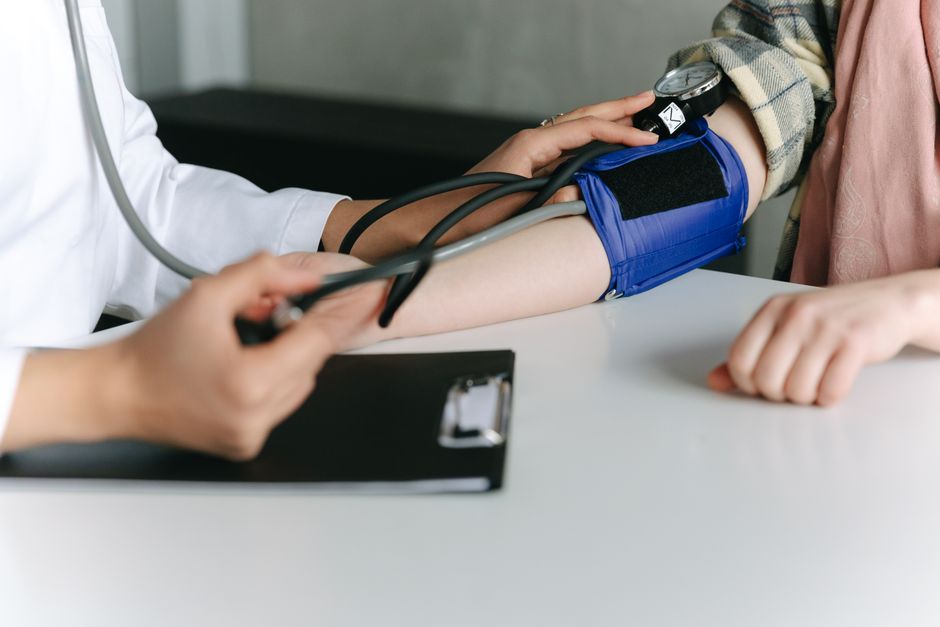
If your blood pressure is suddenly high and you need to bring it down in minutes, the fastest evidence-based steps are to sit down, breathe slowly, and put your feet flat on the floor. Deep, slow breathing at about six breaths per minute can lower systolic pressure by several points within a few minutes. These techniques are for temporary spikes, not for replacing long-term treatment.
How To Decrease Blood Pressure Fast In Minutes
The quickest way to lower a sudden blood pressure spike is to change your physical state. When you sit still and breathe slowly, your nervous system shifts from a stress response to a rest response. This lowers your heart rate and relaxes blood vessel walls.
Slow breathing is the most studied method for immediate reduction. Research consistently shows that breathing at a rate of about six breaths per minute lowers blood pressure within minutes. You inhale slowly through your nose for about five seconds, then exhale slowly for five seconds. Continue this for three to five minutes.
Sitting with your back supported and feet flat on the floor also helps. Standing or walking during a spike keeps your heart working harder. Sitting removes that load. Do not lie flat if you feel dizzy — sit upright instead.
What Causes A Sudden Blood Pressure Spike?
A sudden spike means your blood pressure is temporarily higher than your usual level. Several things can trigger this. Stress and anxiety are common causes. When you feel threatened, your body releases adrenaline and cortisol. These hormones make your heart beat faster and narrow your blood vessels.
Pain is another major trigger. Acute pain activates the same stress pathways. Even a headache or back pain can push blood pressure up noticeably. Caffeine and nicotine also cause temporary increases. Both stimulate your nervous system and constrict blood vessels.
Certain medications can cause spikes as well. Decongestants, some cold medicines, and nonsteroidal anti-inflammatory drugs like ibuprofen can raise blood pressure in some people. If you notice a pattern after taking a specific medication, tell your doctor.
One important point: a single high reading does not mean you have hypertension. Blood pressure naturally fluctuates throughout the day. It is lower when you sleep and higher when you are active. A single spike in a stressful moment may not reflect your overall health.
Breathing Techniques That Work Immediately
Slow breathing is the most reliable immediate technique. The goal is to slow your breath to about six breaths per minute. That is roughly a five-second inhale and a five-second exhale.
Here is how to do it correctly:
- Sit upright with your back supported
- Place one hand on your chest and one on your belly
- Inhale slowly through your nose for five seconds
- Exhale slowly through your mouth for five seconds
- Continue for at least three minutes
The exhale matters more than the inhale. A longer exhale activates the vagus nerve, which signals your body to relax. This slows your heart rate and widens blood vessels. Some studies suggest that guided slow-breathing devices can lower blood pressure by several points over weeks of regular use, but the immediate effect of manual slow breathing is well established.
Do not hold your breath. Breath-holding raises blood pressure and increases pressure inside your chest. The goal is steady, rhythmic breathing, not breath retention.

Physical Positioning And Movement
Your body position directly affects your blood pressure reading. Sitting upright with your feet flat on the floor is the correct position for an accurate reading. It also helps lower blood pressure during a spike.
Crossing your legs can raise your blood pressure by several points. This happens because crossing your legs compresses blood vessels and forces your heart to pump harder. Uncross your legs and place both feet flat on the floor.
If you were standing, sit down. If you were walking, stop and sit. Physical activity raises blood pressure temporarily. Resting allows it to come back down. Do not exercise to lower a spike — that will raise it further.
Some people find that splashing cold water on their face helps. Cold water on the face triggers the mammalian dive reflex. This reflex slows your heart rate and redirects blood flow. The effect is real but modest. It is not a substitute for breathing techniques or medical care.
What About Water, Caffeine, And Supplements?
Drinking water does not lower blood pressure quickly. If you are dehydrated, rehydrating over time can help your overall blood pressure. But a glass of water does not produce an immediate drop. Do not rely on it for a sudden spike.
Caffeine is the opposite. It raises blood pressure temporarily. If you just drank coffee and your reading is high, wait 30 to 60 minutes and check again. The spike from caffeine usually passes within a few hours.
No supplement lowers blood pressure within minutes. Some supplements like magnesium, potassium, and garlic extract have shown modest long-term effects in some studies. But none of them act quickly enough to address a sudden spike. Be cautious with any product claiming immediate blood pressure reduction — no clinical evidence supports that claim.
When A Spike Is An Emergency
Most blood pressure spikes are not emergencies. But some require immediate medical attention. A reading of 180/120 mmHg or higher is considered a hypertensive crisis. If your reading is at or above this level, wait five minutes and check again.
If the second reading is still 180/120 or higher, seek emergency care. This is especially urgent if you have any of these symptoms:
- Chest pain or pressure
- Shortness of breath
- Severe headache
- Vision changes
- Numbness or weakness on one side of your body
- Difficulty speaking
- Back pain
These symptoms can indicate organ damage. Do not wait to see if they pass. Call emergency services or go to an emergency room.
If your reading is high but you have no symptoms, you can use the breathing and positioning techniques described above. Check your blood pressure again after 30 minutes. If it remains high, contact your doctor for guidance.
Long-Term Blood Pressure Control Matters More
Immediate techniques manage symptoms. They do not treat the underlying cause. If your blood pressure is frequently high, you need a long-term plan. This is where lifestyle changes have the strongest evidence.
Regular aerobic exercise lowers blood pressure over weeks and months. The effect is comparable to some medications. Reducing sodium intake also helps, especially for people who are salt-sensitive. The general dietary guidance is to limit sodium to about 2,300 milligrams per day, with many guidelines suggesting 1,500 milligrams for people with high blood pressure.
Weight loss has a consistent effect. Losing even a modest amount of weight can lower blood pressure. Alcohol reduction matters too. Heavy drinking raises blood pressure, and cutting back lowers it.
Medication is often necessary. Many people need blood pressure medication to reach a healthy range. This is not a failure. It is standard medical care. If your doctor prescribes medication, take it as directed. Do not stop taking it because your readings look better at home.
Frequently Asked Questions
Can drinking water lower blood pressure immediately?
No. Drinking water does not produce an immediate drop in blood pressure. Rehydration over time can help overall blood pressure, but it is not a fast-acting method.
How long does it take for slow breathing to lower blood pressure?
Slow breathing at about six breaths per minute can lower blood pressure within three to five minutes. The effect is temporary, lasting as long as you maintain the breathing pattern.
Is a blood pressure reading of 150/90 an emergency?
No. A reading of 150/90 is high but not an emergency if you have no symptoms. Use slow breathing and rest, then check again in 30 minutes. Seek emergency care if you have chest pain, shortness of breath, or other concerning symptoms.
Does walking lower blood pressure quickly?
No. Walking raises blood pressure while you are active. Regular exercise lowers blood pressure over weeks and months, but it does not lower a current spike quickly.
