
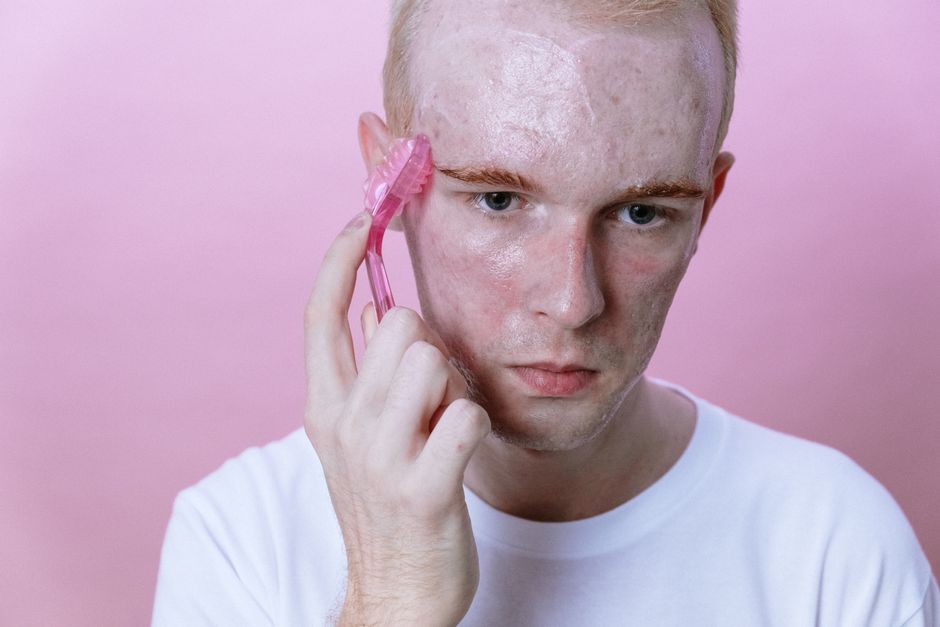
Acne happens when pores get clogged with oil and dead skin cells, and a specific type of bacteria called Cutibacterium acnes (formerly Propionibacterium acnes) multiplies inside those clogged pores, triggering inflammation. The fastest effective treatments target that bacteria directly using proven antimicrobial ingredients like benzoyl peroxide and topical antibiotics, while also addressing the clogged pore itself. For most people, a consistent routine with benzoyl peroxide is the fastest over-the-counter option, while prescription treatments like clindamycin or combination therapies work quickly under a doctor’s care.
What Actually Kills Acne Bacteria Fast?
The bacteria behind acne thrive in low-oxygen environments — exactly what a blocked pore provides. To kill it quickly, you need an ingredient that penetrates the pore and disrupts the bacteria’s ability to survive.
Benzoyl peroxide is the gold standard for fast over-the-counter bacterial control. It works by releasing oxygen into the pore, which is toxic to C. acnes. It also helps shed dead skin cells, which keeps pores from clogging again. Unlike antibiotics, bacteria do not develop resistance to benzoyl peroxide, making it a reliable long-term option.
Topical antibiotics like clindamycin and erythromycin also kill acne bacteria quickly. These are prescription-only and work by stopping bacterial protein production. However, because resistance is a growing problem, dermatologists typically recommend combining antibiotics with benzoyl peroxide to reduce resistance risk.
Salicylic acid does not kill bacteria directly. It works by dissolving the glue that holds dead skin cells together, helping unclog pores. It is useful for prevention but not the fastest option when bacterial overgrowth is already causing inflamed pimples.
How Fast Can Benzoyl Peroxide Work?
Benzoyl peroxide begins killing acne bacteria within hours of application. Visible improvement in active pimples usually takes a few days, but significant clearing typically requires two to four weeks of consistent use.
The speed depends on the concentration and formulation. Over-the-counter products range from 2.5% to 10% benzoyl peroxide. Research has found that 2.5% is just as effective as 5% and 10% for treating mild to moderate acne, but with less skin irritation. Higher concentrations do not necessarily kill bacteria faster — they just cause more dryness and peeling.
Leave-on products work better than wash-off products. A benzoyl peroxide wash only contacts the skin for a minute or two before being rinsed off. A leave-on gel or cream stays on the skin for hours, giving the ingredient more time to penetrate pores and kill bacteria.
Expect some irritation when starting. Dryness, redness, and peeling are common during the first week. Starting with a lower concentration and using it once daily can help your skin adjust. Moisturizer and sunscreen are important because benzoyl peroxide increases sun sensitivity.
Do Prescription Antibiotics Kill Acne Bacteria Faster?
Topical clindamycin can reduce acne bacteria counts noticeably within days. Oral antibiotics like doxycycline or minocycline also work quickly, often showing improvement within three to four weeks.
However, “faster” comes with trade-offs. Antibiotics alone do not address the clogged pore — the other half of the acne equation. If the pore stays blocked, bacteria can repopulate once the antibiotic is stopped.
Dermatologists frequently prescribe a combination product containing clindamycin and benzoyl peroxide. This approach attacks both the bacteria and the clogged pore simultaneously. Studies have shown combination therapy works faster and better than either ingredient alone.
Oral antibiotics are usually reserved for moderate to severe acne that does not respond to topical treatments. They are not meant for long-term use. Most dermatologists recommend limiting oral antibiotics to three to four months to reduce resistance risk.




What About Natural Ingredients That Claim to Kill Acne Bacteria?
Tea tree oil is the most studied natural option. Some research suggests that a 5% tea tree oil gel can improve acne, though it tends to work more slowly than benzoyl peroxide. It does have antibacterial properties against C. acnes in laboratory settings, but clinical evidence is less robust than for conventional treatments.
Manuka honey, green tea extract, and aloe vera are often marketed for acne. Laboratory studies show some antibacterial activity, but no strong clinical trials confirm they kill acne bacteria fast enough to matter for active breakouts. These ingredients may soothe skin, but they are not a substitute for proven antimicrobial treatments.
Be cautious with undiluted essential oils. Tea tree oil, in particular, can cause contact dermatitis when applied directly to skin. Always dilute it properly and test a small area first.
No natural ingredient has been shown to work faster than benzoyl peroxide or prescription antibiotics. If you prefer natural options, they are reasonable additions to a routine, but they should not be your only line of defense against bacterial acne.
What Kills Acne Bacteria Fast Treatments That Work — A Practical Routine
If you want fast results, consistency matters more than any single ingredient. Here is what the evidence supports:
- Use a gentle cleanser to remove excess oil without stripping your skin barrier.
- Apply a leave-on benzoyl peroxide product (2.5% to 5%) to affected areas once daily to start.
- If prescribed, apply clindamycin in the morning and benzoyl peroxide at night — or use a combination product.
- Use a non-comedogenic moisturizer daily to manage irritation from treatment.
- Wear sunscreen daily. Benzoyl peroxide and many acne treatments make skin more sensitive to UV damage.
Do not pick or squeeze pimples. Picking pushes bacteria deeper into the skin and increases inflammation, which makes the breakout last longer and raises the risk of scarring.
Give any treatment at least four weeks before judging effectiveness. Acne treatments do not work overnight. The bacteria reduction begins quickly, but the visible skin clearing takes time because your skin needs to heal the inflammation already present.
When to See a Dermatologist
If over-the-counter benzoyl peroxide has not improved your acne after six to eight weeks, see a dermatologist. The same applies if your acne is painful, deep, or leaving dark spots or scars.
A dermatologist can prescribe stronger options that work quickly:
- Topical antibiotics like clindamycin or dapsone
- Combination products with benzoyl peroxide and an antibiotic
- Oral antibiotics for moderate to severe cases
- Topical retinoids like adapalene or tretinoin to unclog pores and reduce inflammation
- Isotretinoin for severe, scarring, or treatment-resistant acne — this is the most effective option but requires close medical monitoring
Hormonal therapies like spironolactone or combined oral contraceptives can help women whose acne flares with their menstrual cycle. These do not kill bacteria directly but reduce the oil production that fuels bacterial growth.
Do not combine multiple acne treatments without medical guidance. Using several drying products together can damage your skin barrier, causing more inflammation and making acne worse.
Does Diet Affect Acne Bacteria?
Diet does not directly kill acne bacteria, but it can influence the environment where bacteria grow. High-glycemic foods and dairy have been linked to more frequent or severe acne in some studies.
High-glycemic foods cause blood sugar spikes, which increase insulin and insulin-like growth factor. These hormones stimulate oil production, creating more food for bacteria. Dairy, particularly skim milk, has been associated with acne in several observational studies, though the connection is not fully understood.
This does not mean you need to eliminate these foods entirely. But if your acne is not responding to topical treatments, reducing sugary drinks, refined carbohydrates, and excessive dairy may help. Some research suggests a low-glycemic diet can improve acne, but it works slowly — it is not a fast bacterial killer.
Probiotics and fermented foods are often promoted for acne. The gut-skin connection is an emerging area of research, but no clinical evidence currently confirms that probiotics kill acne bacteria or clear breakouts quickly.
Myths About Killing Acne Bacteria
Alcohol and harsh scrubs kill bacteria fast. Rubbing alcohol does kill bacteria on the skin’s surface, but it also strips protective oils and damages the skin barrier. This leads to rebound oil production and more clogged pores. Harsh physical scrubs irritate skin and spread bacteria. Neither is a safe or effective acne treatment.
Toothpaste dries out pimples. Toothpaste contains ingredients that can dry skin, but it is not formulated for skin use. It can cause severe irritation, chemical burns, and contact dermatitis. No evidence supports toothpaste as an acne treatment.
Sun exposure kills acne bacteria. UV light does have some antibacterial effects, and some people notice temporary improvement in summer. But the damage to skin — premature aging, dark spots, and skin cancer risk — far outweighs any benefit. Sunscreen will not make acne worse and should be used daily with acne treatments.
More product means faster results. Overusing benzoyl peroxide or antibiotics does not speed up bacterial killing. It only increases irritation and resistance risk. Follow the dosing instructions on your product or from your doctor.
Frequently Asked Questions
How long does benzoyl peroxide take to kill acne bacteria?
Benzoyl peroxide starts killing acne bacteria within hours of application, but visible improvement in pimples usually takes a few days to a week.
Can I use benzoyl peroxide and clindamycin together?
Yes, this combination is commonly prescribed and works faster than either ingredient alone, but clindamycin requires a prescription.
Does salicylic acid kill acne bacteria?
No, salicylic acid does not kill bacteria — it unclogs pores by loosening dead skin cells, which helps prevent future breakouts.
Is tea tree oil as effective as benzoyl peroxide?
Tea tree oil has antibacterial properties and some research shows it can improve acne, but it works more slowly and is generally less effective than benzoyl peroxide.
