
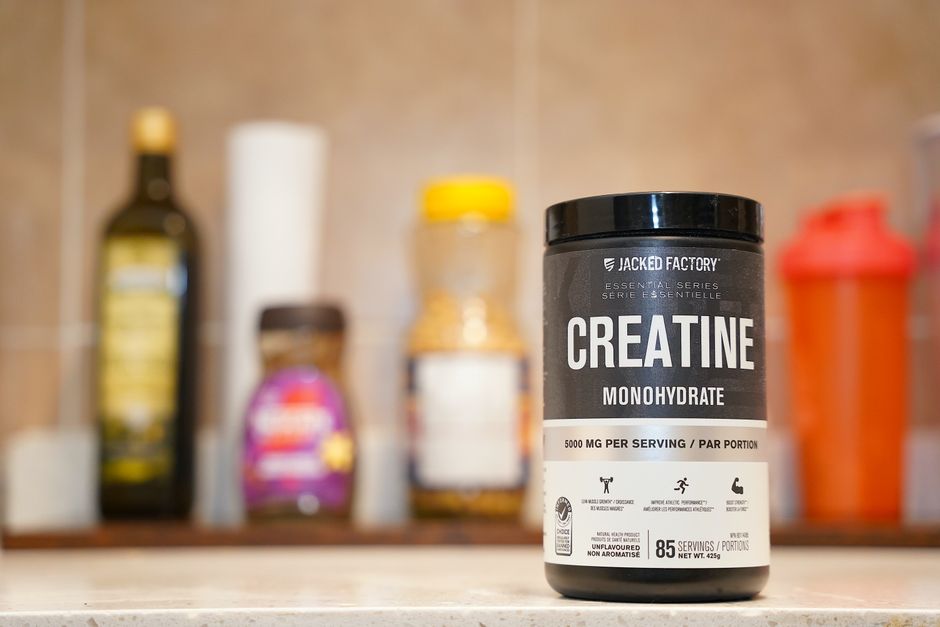
Creatine can cause diarrhea, but it usually doesn’t. Most people who take it at standard doses have no digestive trouble at all. When stomach upset does happen, it is almost always linked to taking too much at once, taking it on an empty stomach, or using a cheap product that doesn’t dissolve well. The problem is fixable, and it rarely means you need to stop taking creatine.
Creatine is one of the most studied supplements in sports nutrition. Its safety record at normal doses is well documented. The digestive side effects are real but uncommon, and they are tied to how you take it rather than to creatine itself.
Does Creatine Give You Diarrhea?
For most people, no. Clinical studies of creatine at standard maintenance doses have consistently found it well tolerated, with gastrointestinal complaints reported by only a small minority of users.
The diarrhea risk comes from a specific practice: large single doses. When you swallow a big scoop of creatine at once, a portion of it can pass through the small intestine without being fully absorbed. Creatine draws water into the gut through a process called osmosis. That extra fluid in the colon is what produces loose stools.
This is why the old “loading phase” gets blamed. Loading involves taking around 20 grams per day, split into four 5-gram doses, for about a week. That is a large amount of powder hitting the digestive tract in a short window. Maintenance dosing, typically 3 to 5 grams per day, is far less likely to cause any issue.
There is also a simple matter of what else is in the tub. Some creatine products contain fillers, sweeteners, or flavoring agents. Sugar alcohols like sorbitol and maltitol are well known to cause diarrhea on their own. If a flavored creatine drink gives you trouble, the creatine may not be the culprit.
Why Does Creatine Cause Stomach Upset in Some People?
Creatine is absorbed in the small intestine through specific transporter proteins. These transporters have a limited capacity. When you take a large dose, they get saturated, and the excess creatine stays in the gut instead of entering your bloodstream.
Unabsorbed creatine behaves like a mild osmotic laxative. It pulls water into the intestinal contents, which softens stool and speeds up transit. The same basic mechanism explains why milk can cause diarrhea in people who don’t digest lactose well, or why large doses of magnesium citrate have a laxative effect.
Individual tolerance varies. Some people absorb creatine efficiently and never notice a thing. Others are more sensitive to fluid shifts in the gut. The dose that causes problems for one person may be completely fine for another.
Taking creatine on an empty stomach tends to make things worse. Food slows the rate at which the supplement empties from the stomach, which spreads absorption over a longer period and reduces the osmotic load at any one moment.
How Do You Take Creatine Without Digestive Trouble?
Smaller doses taken more often solve the problem for most people. If you are doing a loading phase and it bothers you, you can skip loading entirely. Research shows that taking 3 to 5 grams per day will eventually saturate your muscles just as effectively, it just takes a few weeks longer.
Practical steps that reduce the risk:
- Take creatine with a meal rather than on an empty stomach.
- Split larger doses across the day instead of taking them all at once.
- Mix the powder thoroughly in enough liquid so it fully dissolves.
- Drink adequate water throughout the day, since creatine increases water retention in muscle tissue.
- Choose a plain, unflavored product with few added ingredients if you suspect fillers or sweeteners.
If you still get loose stools after making these changes, the next step is to reduce your dose. Some people do fine on 3 grams per day and not on 5. There is no rule that says you need a specific number. The goal is muscle saturation, and that can be reached at lower doses over a longer period.



Is It the Creatine or Something Else in Your Supplement?
This is where a lot of confusion happens. Creatine monohydrate by itself is a single compound. Many commercial products are not just creatine.
Pre-workout blends, flavored creatine drinks, and “advanced” creatine formulas often contain additional ingredients. Common additions include caffeine, beta-alanine, artificial sweeteners, and sugar alcohols. Beta-alanine is famous for causing a harmless tingling sensation called paresthesia, but it isn’t a laxative. Sugar alcohols and some high-dose sweeteners, on the other hand, can absolutely cause diarrhea.
If you want to know whether creatine is the problem, switch to a plain, single-ingredient creatine monohydrate powder for a couple of weeks. If the diarrhea stops, the original product was likely the issue.
One more point worth knowing: creatine monohydrate is the form with the most research behind it. Other forms like creatine hydrochloride or buffered creatine are marketed as gentler on the stomach, but there is no strong head-to-head evidence showing they actually reduce digestive side effects. The marketing claim is not well supported by clinical trials.
When Should You Be Concerned About Diarrhea?
Most creatine-related stomach upset is mild and short-lived. It resolves when you adjust the dose or how you take it. That said, diarrhea is a common symptom with many possible causes, and not every episode is from a supplement.
Seek medical advice if diarrhea lasts more than a couple of days, is severe, contains blood or mucus, or comes with fever, dehydration, or significant pain. These signs point to something beyond a supplement issue and need proper evaluation.
It is also worth being honest about a gap in the evidence. There is no large body of clinical research specifically studying creatine-induced diarrhea as its own topic. What we know comes from tolerability data in broader creatine studies and from the established physiology of how the gut handles unabsorbed solutes. The mechanism is well understood. The exact frequency of the side effect across the population is not precisely documented.
People with existing digestive conditions like irritable bowel syndrome or inflammatory bowel disease should talk to their doctor before starting any supplement, creatine included. Their gut may respond differently, and general tolerance data may not apply to them.
The Bottom Line on Creatine and Your Gut
Creatine is not a laxative. At typical maintenance doses of 3 to 5 grams per day, the vast majority of users experience no digestive problems. The diarrhea that some people report is usually traceable to a large single dose, an empty stomach, or an additive in the product.
Loading phases are the most common trigger, and they are optional. Skipping the loading phase and taking a smaller daily dose avoids most of the risk while still getting you to the same place over time.
If you try creatine and your stomach doesn’t agree with it, adjust the dose and timing before giving up. And if symptoms persist or seem unusual, treat them as a health question rather than a supplement question and get them checked.
Frequently Asked Questions
How common is diarrhea from creatine?
It is uncommon at standard maintenance doses of 3 to 5 grams per day, with gastrointestinal side effects reported by only a small minority of people in clinical studies. Risk rises mainly with large single doses such as those used during a loading phase.
Does creatine loading cause diarrhea?
Loading is the most common trigger because it involves taking around 20 grams per day in divided doses. Skipping the loading phase and taking 3 to 5 grams daily avoids most of this risk and still saturates muscles over a few weeks.
Should I stop taking creatine if it gives me diarrhea?
Not necessarily. Try taking a smaller dose with food and splitting it across the day first. If loose stools continue after these changes, reduce the dose further or switch to a plain product without added sweeteners or fillers.
Can creatine cause diarrhea on an empty stomach?
Yes, taking it without food can make digestive upset more likely because the supplement empties from the stomach faster and hits the intestine in a concentrated burst. Taking creatine with a meal slows absorption and reduces the chance of loose stools.
