

If you think you might be pregnant, the wait for a clear answer can feel endless. The most reliable time to take a home pregnancy test is after your period is late — specifically, one week after your expected missed period. Testing this way gives the most accurate result because your body has had enough time to build up detectable levels of the pregnancy hormone hCG.
How Long To Wait To Take A Pregnancy Test?
The short answer is: wait until the first day of your missed period. For the most accurate result, wait one full week after your period was due.
The reason comes down to biology. After a fertilized egg implants in the uterus, your body starts making human chorionic gonadotropin, or hCG. This is the hormone home pregnancy tests detect.
Implantation usually happens about 6 to 12 days after ovulation. Once it does, hCG levels begin to rise, roughly doubling every 48 to 72 hours in early pregnancy. But it takes time for hCG to reach a level a home test can pick up.
If you test too early — say, a few days before your period is due — there may not be enough hCG in your urine yet. That can give you a false negative. You might be pregnant, but the test says you are not.
Waiting until after your missed period gives hCG time to build up. By that point, most home tests are around 99% accurate when used correctly. Testing a full week after your missed period pushes that accuracy even higher.
How Do Pregnancy Tests Detect hCG?
Home pregnancy tests work by detecting hCG in your urine. The test strip contains antibodies that bind to this hormone. When hCG is present, it triggers a visible line or a digital “pregnant” reading.
There are two main types of tests:
- Manual tests show a line, a plus sign, or a color change you read yourself.
- Digital tests display the words “Pregnant” or “Not Pregnant” on a screen.
Both work the same basic way. The difference is only in how the result is shown.
Some tests claim to detect pregnancy as early as five days before your missed period. These are called early-result tests. They are more sensitive and can pick up lower levels of hCG. But even these tests are not foolproof that early. The earlier you test, the higher the chance of a false negative.
Blood tests, done at a doctor’s office, can detect hCG earlier than urine tests. A blood test can pick up pregnancy about 6 to 8 days after ovulation. But for home testing, urine is the standard.
What Happens If You Test Too Early?
Testing too early is the most common reason for a false negative. If hCG has not risen enough to be detected, the test will show a negative result even if you are pregnant.
This does not mean the test is broken. It means your body simply has not produced enough of the hormone yet.
Here is what can happen if you test before your missed period:
- You may get a negative result, then a positive one a few days later.
- You may waste tests and money retesting repeatedly.
- You may feel unnecessary stress from an unclear result.
The fix is simple. If you get a negative result but still think you could be pregnant, wait a few days and test again. hCG levels rise quickly in early pregnancy. A test that was negative on Monday may be positive by Thursday or Friday.

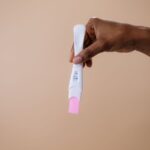
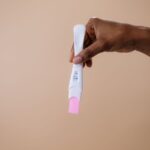


What Is the Best Time of Day to Take a Pregnancy Test?
Take the test first thing in the morning, when you use your first urine of the day. This urine is the most concentrated, which means hCG levels are at their highest and easiest to detect.
If you are testing after your period is already late, the time of day matters less. By then, hCG levels are usually high enough to show up at any time. But for early testing, morning urine gives you the best chance of an accurate result.
Other things that can affect your test:
- Drinking a lot of water before testing can dilute your urine.
- Testing too soon after your last test does not give hCG time to rise.
- Using an expired test can give unreliable results.
Always check the expiration date on the test package. An expired test may not work correctly.
How Accurate Are Home Pregnancy Tests?
When used correctly and after a missed period, home pregnancy tests are about 99% accurate. That number comes from the test makers and is widely reported in medical sources.
But accuracy depends on a few things:
- Timing. Testing after your missed period is more accurate than testing early.
- Correct use. Following the instructions exactly matters.
- Test sensitivity. Some tests detect lower hCG levels than others.
- Expiration. Expired tests may not work as well.
A false positive — a positive result when you are not pregnant — is rare but possible. It can happen if you are taking certain fertility medications that contain hCG, or in rare cases of certain medical conditions. If you get a positive result, a follow-up blood test at your doctor’s office can confirm it.
A false negative is more common. It usually means you tested too early. If you still think you are pregnant after a negative result, wait a few days and test again.
When Should You See a Doctor About Pregnancy Testing?
See a doctor if you get a positive home test. A healthcare provider can confirm the pregnancy with a blood test and discuss next steps.
You should also see a doctor if:
- You have a negative home test but still have pregnancy symptoms.
- You have irregular periods and cannot tell when your period is due.
- You have symptoms like severe pain, heavy bleeding, or dizziness.
- You have been trying to conceive for a year without success, or six months if you are over 35.
If you are taking fertility medications, tell your doctor before testing. Some of these medications can affect test results.
For most people, a home test is the first step. If it is positive, a doctor’s visit is the next one. If it is negative but you still have doubts, a blood test can give you a clear answer.
What If You Get a Positive Result Before Your Missed Period?
A positive result before your missed period is possible, especially with a sensitive early-result test. If you get a positive result, it is very likely you are pregnant. False positives are rare.
But a positive result that early should still be confirmed. Call your doctor to schedule a blood test or an early ultrasound. This can confirm the pregnancy and check that everything is progressing normally.
An early positive test does not change the timeline of your pregnancy. Pregnancy is dated from the first day of your last menstrual period, not from the day you conceived or the day you tested positive.
Can Stress or Other Factors Delay Your Period?
Yes. Many things besides pregnancy can delay your period. Stress, illness, changes in sleep, intense exercise, and weight changes can all affect your cycle.
This matters because a late period does not always mean pregnancy. If your period is late but your test is negative, the delay could be caused by something else.
Common causes of a late period include:
- Stress or anxiety
- Significant weight loss or gain
- Intense exercise
- Thyroid problems
- Polycystic ovary syndrome (PCOS)
- Perimenopause
If your period is often irregular or frequently late, talk to your doctor. They can help you understand what is going on and whether testing earlier or differently makes sense for you.
Frequently Asked Questions
How long after conception can I take a pregnancy test?
You can take a home pregnancy test about 6 to 12 days after conception, but the most reliable time is after your missed period. Testing too early can give a false negative because hCG levels may not be high enough yet.
Can I take a pregnancy test before my missed period?
Yes, but the result may be less accurate. Early-result tests can detect pregnancy a few days before your missed period, but testing too early raises the chance of a false negative.
What time of day is best for a pregnancy test?
First thing in the morning is best, especially if you are testing early. Your first urine of the day has the highest concentration of hCG, which makes it easier to detect.
How accurate is a pregnancy test after a missed period?
Home pregnancy tests are about 99% accurate when used correctly after a missed period. Waiting one week after your missed period gives the most reliable result.
