
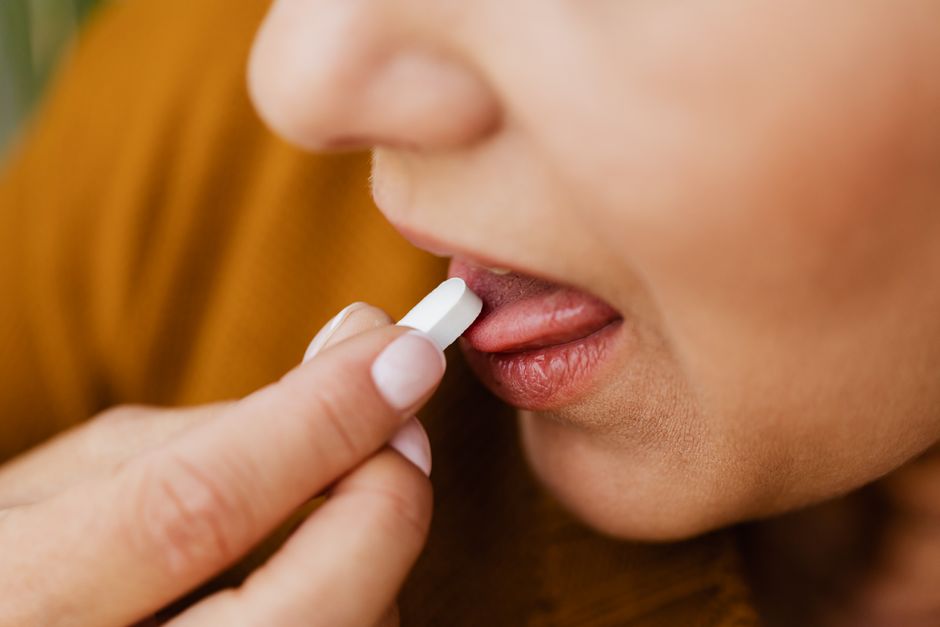
Guanfacine starts working within hours for some effects, but full benefits for conditions like ADHD typically take 2 to 8 weeks. The immediate-release version can lower blood pressure within a few hours. The extended-release version for ADHD (Intuniv) usually requires consistent daily dosing for several weeks before patients and doctors see meaningful improvements in focus and impulse control. This timeline varies significantly from person to person, and understanding why helps set realistic expectations.
How Does Guanfacine Actually Work in the Brain?
Guanfacine targets specific receptors in the brain called alpha-2A adrenergic receptors. These receptors are located in the prefrontal cortex, which is the part of the brain responsible for attention, planning, and impulse control. The medication strengthens the connections between neurons in this area by improving the signal-to-noise ratio. Think of it as turning down background static so the important signals come through more clearly.
This mechanism is different from stimulant medications like Adderall or Ritalin. Stimulants increase dopamine levels quickly. Guanfacine works by regulating norepinephrine, a neurotransmitter involved in the “fight or flight” response. By calming overactive norepinephrine signaling, guanfacine helps the brain shift from a reactive state to a more controlled, thoughtful state.
The time it takes for these changes to happen depends on whether you take the immediate-release or extended-release version. Immediate-release guanfacine enters the bloodstream quickly and leaves quickly. Extended-release guanfacine (Intuniv) is designed to release the medication slowly over 24 hours, which means it takes longer to reach steady levels in the blood.
How Long Does Guanfacine Take to Work for ADHD?
For ADHD, the extended-release version is the one doctors typically prescribe. Clinical guidelines recommend starting at a low dose, usually 1 mg once daily, and increasing by 1 mg per week. This slow titration is intentional. It gives the brain time to adjust and reduces the risk of side effects like low blood pressure and drowsiness.
Some people notice subtle changes in the first week. They might feel calmer or less easily frustrated. But the full therapeutic effects on attention and hyperactivity usually take 4 to 8 weeks to become clear. A 2019 study in the Journal of Child and Adolescent Psychopharmacology found that children with ADHD showed significant improvements in parent and teacher ratings after 8 weeks of treatment with extended-release guanfacine.
Current research suggests that guanfacine works best as part of a comprehensive treatment plan. It is not a quick fix. If you stop taking it for a few days, the blood levels drop and the benefits fade. Consistency is key. Missing doses resets the clock and delays the full effect.
How Long Does Guanfacine Take to Work for Blood Pressure?
Guanfacine was originally approved to treat high blood pressure. The immediate-release version can lower blood pressure within 2 to 4 hours after taking it. The effect peaks at around 6 to 8 hours and lasts for about 24 hours. Doctors often prescribe it once daily at bedtime because it can cause drowsiness.
The blood pressure effect is more predictable and faster than the ADHD effect. Most people see a measurable drop in their blood pressure readings within the first week of treatment. If you are taking it for hypertension, your doctor will likely check your blood pressure after one week to see if the dose needs adjusting.
One important thing to know: guanfacine lowers blood pressure by reducing the signals from the brain that tell blood vessels to constrict. This is why it can cause dizziness or fainting, especially when you first start taking it or when you stand up quickly. Staying hydrated and rising slowly can help manage this.





What Factors Affect How Fast Guanfacine Works?
Several things influence how quickly guanfacine takes effect. Age is one. Children and adolescents often respond faster than adults, though the evidence for this is based on clinical observation rather than large studies. Body weight also matters. Guanfacine is lipophilic, meaning it dissolves in fat. People with higher body fat percentages may process the drug differently.
Other medications can slow down or speed up how your body breaks down guanfacine. It is metabolized by the CYP3A4 enzyme system in the liver. Drugs that inhibit this enzyme, like certain antifungal medications or grapefruit juice, can raise guanfacine levels and make side effects worse. Drugs that induce this enzyme, like some seizure medications, can lower guanfacine levels and reduce its effectiveness.
Your kidney and liver function also play a role. If either organ is not working at full capacity, guanfacine can build up in your system faster and stay longer. This increases the risk of side effects and may require a lower starting dose.
What Are the Common Side Effects and How Long Do They Last?
The most common side effect is drowsiness. It affects about 30 to 40 percent of people who take guanfacine, especially in the first two weeks. For many, this drowsiness fades as the body adjusts. Taking the medication at bedtime can help.
Other common side effects include dry mouth, constipation, dizziness, and low blood pressure. These usually appear within the first few days and improve over time. A 2020 review in CNS Drugs noted that most side effects are mild to moderate and resolve within 2 to 4 weeks of consistent use.
Serious side effects are rare but worth knowing about. They include a very slow heart rate (bradycardia) and fainting. If you feel like you might pass out, sit down immediately and tell your doctor. Do not stop taking the medication suddenly, as this can cause a rapid spike in blood pressure.
| Side Effect | How Common | When It Peaks | When It Usually Fades |
|---|---|---|---|
| Drowsiness | Very common (30-40%) | First 1-2 weeks | 2-4 weeks |
| Dry mouth | Common (10-20%) | First few days | Ongoing but mild |
| Dizziness | Common (10-15%) | First week | 1-3 weeks |
| Low blood pressure | Less common (5-10%) | First week | May persist at low levels |
| Constipation | Less common (5-10%) | First week | Usually improves with time |
What Should You Avoid While Taking Guanfacine?
Do not drink alcohol while taking guanfacine. Alcohol amplifies the sedative effects and can cause dangerous drops in blood pressure. Even one drink can make you much drowsier than expected.
Avoid grapefruit and grapefruit juice. They interfere with the enzyme that breaks down guanfacine, which can cause the drug to build up to unsafe levels in your blood. This warning applies to both immediate-release and extended-release versions.
Be careful with other medications that lower blood pressure. Taking guanfacine with beta-blockers, calcium channel blockers, or other antihypertensives can cause your blood pressure to drop too low. Your doctor will monitor this closely if you take multiple blood pressure medications.
Some people report that caffeine makes the side effects worse. Caffeine is a stimulant, and combining it with guanfacine can create an uneven feeling of alertness followed by a crash. If you notice this, try cutting back on coffee or energy drinks during the first few weeks of treatment.
Frequently Asked Questions
Can I take guanfacine with stimulant medications?
Yes, doctors sometimes prescribe guanfacine alongside stimulants like methylphenidate or amphetamine. This combination can improve ADHD symptoms with lower doses of each medication. Your doctor needs to monitor your blood pressure and heart rate closely if you take both.
What happens if I miss a dose of guanfacine?
Take the missed dose as soon as you remember, unless it is close to your next scheduled dose. In that case, skip the missed dose entirely. Do not double up. Missing a dose can cause a temporary return of symptoms and a small spike in blood pressure.
How long does it take for guanfacine to leave your system?
Guanfacine has a half-life of about 17 hours in adults. This means it takes roughly 3 to 4 days for the drug to be completely eliminated from your body after your last dose. The extended-release version may take slightly longer due to its slow-release formulation.
