
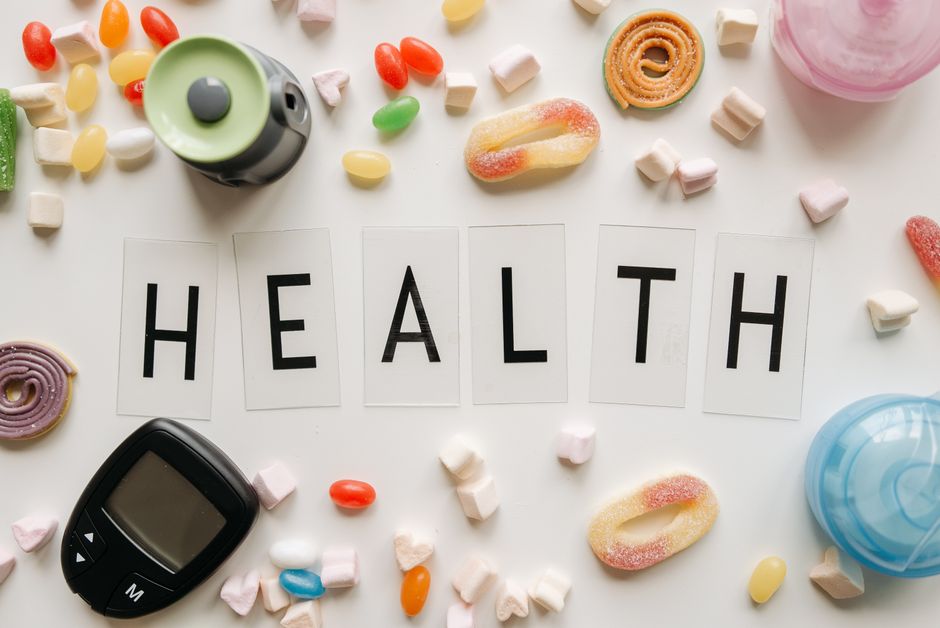
Most fasting blood tests require 8 to 12 hours without eating. For the most common tests, a fasting window of 8 to 12 hours is standard, and water is allowed and encouraged during that time. Your doctor’s specific instructions override any general rule, so always follow the order you were given.
That is the short answer. The longer answer involves why fasting matters, which tests actually need it, what breaks a fast, and what happens if you slip up. Here is what the evidence supports and where the picture gets less clear.
How Long Should You Fast For Before A Blood Test?
Eight to 12 hours is the standard fasting window for most blood tests that require fasting. A fasting window shorter than 8 hours can leave food-derived substances in your blood that distort results. A window longer than 12 hours can also cause problems, because very long fasts can affect some measurements and make you feel unwell.
The most commonly cited fasting window comes from guidance used by clinical laboratories and major health organizations. A typical instruction is to fast for 8 to 12 hours before the draw, with water permitted. Some labs set 12 hours as the target. Others accept anything in the 8 to 12 hour range.
What matters is the specific test. A lipid panel and a fasting glucose test are the two most common tests that call for fasting. Many other common tests do not require it at all. That is where a lot of confusion starts.
Which Blood Tests Actually Require Fasting?
Only a subset of common blood tests require fasting. The rest can be drawn at any time of day, whether or not you have eaten.
Tests that typically require fasting include:
- Fasting blood glucose — used to screen for and monitor diabetes
- Lipid panel — measures total cholesterol, LDL, HDL, and triglycerides
- Basic metabolic panel — in some cases, depending on what the clinician is looking for
- Some liver function tests — when a clinician specifically wants a fasting sample
Tests that generally do not require fasting include complete blood count, thyroid function tests, most hormone panels, vitamin levels, and many others. If you are unsure, the lab or clinic that ordered the test is the right place to ask.
One clarification worth making: the rules for the lipid panel have shifted somewhat over time. Some professional guidance now allows a non-fasting lipid panel for routine cardiovascular risk assessment in many adults. That does not mean every lab or every clinician has adopted this approach. Fasting lipid panels are still widely ordered and still widely used. If your order says to fast, fast.
What Counts as Fasting?
Fasting means no calories and no substances that affect the measurement. Water is not just allowed — it is generally encouraged, because staying hydrated makes the blood draw easier.
Things that break a fast or can affect results:
- Any food, including small snacks
- Coffee, tea, and other beverages with calories
- Juice, soda, and sports drinks
- Gum, mints, and hard candy
- Alcohol
- Some supplements and medications, depending on the test
Black coffee is a gray area. Plain black coffee has almost no calories, so some sources treat it as acceptable. But caffeine can affect some measurements, including glucose and certain hormones. The safest approach is to skip it unless your instructions say otherwise.
Prescription medications are a separate question. Do not stop taking a prescribed medication just because you are fasting. Most medications can be taken with water. Ask your prescribing clinician or the lab whether any of your medications should be timed differently on the day of the test.

What Happens If You Eat Before a Fasting Blood Test?
If you eat before a fasting blood test, the results may not be usable for the measurements that require fasting. The most reliable step is to tell the phlebotomist or lab staff that you ate, so the result can be interpreted correctly or the test rescheduled.
Food does not contaminate your blood in a dangerous way. It changes the concentrations of certain substances temporarily. Blood glucose rises after a meal. Triglycerides rise substantially after eating and can stay elevated for hours. Those changes can make a fasting glucose or lipid result look abnormal when nothing is actually wrong.
Depending on the test and the reason it was ordered, the clinician may still be able to use the result with a note, or may ask you to come back another day. Do not try to “fix” the situation by skipping the appointment or guessing at what your result would have been.
Can You Drink Water While Fasting for a Blood Test?
Yes. Water is allowed during a fasting blood test window, and drinking it is generally recommended. Staying hydrated helps the phlebotomist find a vein and can make the draw faster and less uncomfortable.
Plain water does not contain calories and does not meaningfully change the measurements that fasting is meant to protect. That is why it sits outside the fasting restriction. Other drinks do not get the same pass.
If you take medications with water in the morning before your test, that is usually fine. Confirm with your clinician if you are unsure about a specific medication.
Does the Fasting Window Change for Children or During Pregnancy?
Fasting requirements for children and pregnant people are set by the clinician ordering the test, not by a single universal rule. There is no general fasting duration that applies to all children or all pregnancies.
Children generally have different tolerances for going without food, and longer fasts can be harder on them. Pregnant people have different nutritional needs, and prolonged fasting is often avoided unless there is a clear reason. In both cases, the ordering clinician should give specific instructions rather than relying on a standard adult window.
No clinical guidelines currently exist for a single fasting duration that applies to all children or all pregnant people across every test. If you are scheduling a fasting test for a child or during pregnancy, ask the ordering office directly for the window they want.
Why Does Fasting Affect Blood Test Results?
Fasting removes the immediate effects of a recent meal so the measurement reflects your baseline. After you eat, your blood carries a changing mix of glucose, fats, and other substances for hours. Fasting lets the lab measure those levels in a more stable state.
Blood glucose is the clearest example. After a meal, glucose rises and then gradually returns toward baseline as insulin moves it into cells. A fasting glucose test is meant to capture the level after that process has settled. If you have just eaten, the number reflects the meal, not your baseline.
Triglycerides behave similarly. They rise after eating and can stay elevated for several hours. A fasting lipid panel is designed to avoid that spike so the triglyceride number is more comparable to reference ranges and to your previous results.
This is also why consistency matters over time. If one test is fasting and the next is not, comparing the two numbers can be misleading. Keeping the conditions similar from test to test makes trends easier to read.
What Should You Do the Morning of a Fasting Blood Test?
Follow the instructions you were given, drink water, and take medications as directed unless told otherwise. The morning routine is simple if you plan for it.
A practical approach:
- Confirm the fasting window with the lab or clinic the day before
- Schedule the draw for the morning if possible, so most of the fast happens overnight
- Drink plain water before and on the way to the appointment
- Take prescribed medications with water unless your clinician says otherwise
- Bring a snack for after the draw, especially if you tend to feel lightheaded
If you feel faint, shaky, or unwell during the fast, that matters more than the test. Tell the lab staff, and contact your clinician if symptoms are significant. A blood test can be rescheduled.
Does the Fasting Rule Differ by Lab or Clinic?
Yes. Different labs and clinics set slightly different fasting windows, and the order you receive reflects the test being run and the equipment and reference ranges in use. That is why the instruction on your paperwork is the one to follow.
The general 8 to 12 hour range is widely used, but specific labs may ask for 10 hours, 12 hours, or something else. Some may accept a non-fasting sample for certain tests. The variation is normal and not a sign that one source is wrong.
If you get conflicting instructions from different sources, the ordering clinician’s office is the tiebreaker. Call them. It takes a minute and avoids a wasted trip.
Frequently Asked Questions
How long do you have to fast for a blood test?
Most fasting blood tests require 8 to 12 hours without eating. Follow the specific window on your lab order, since it can vary by test and by lab.
Can I drink water while fasting for a blood test?
Yes, plain water is allowed and generally encouraged during a fasting window. It does not contain calories and helps make the blood draw easier.
What happens if I accidentally eat before a fasting blood test?
Tell the lab staff that you ate, because the result may not be usable for the measurements that require fasting. They may interpret it with a note or ask you to reschedule.
Can I drink coffee before a fasting blood test?
Plain black coffee is a gray area, since caffeine can affect some measurements. The safest choice is to skip it unless your instructions say it is allowed.
