
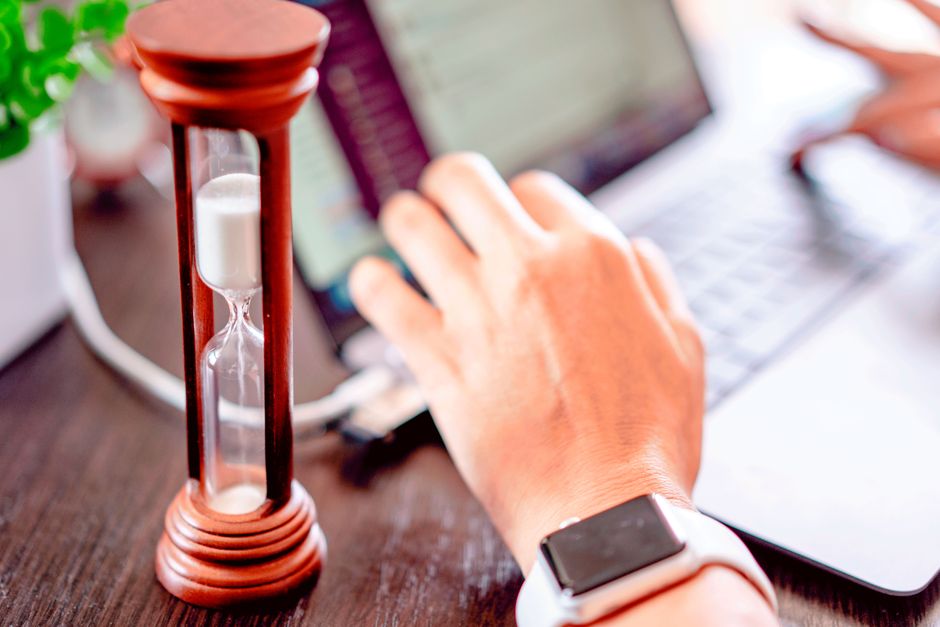
If your doctor told you to fast before a blood test, the standard answer is 8 to 12 hours. Most fasting labs are drawn in the morning after you have had nothing to eat or drink except water overnight. For many common tests, fasting for 12 hours is the upper limit — going longer does not improve the results and can actually work against you.
That number comes from decades of clinical practice and laboratory standards, not from a single study. It is the window that gives the most reliable readings for glucose, triglycerides, and a few other measurements that shift after you eat.
How Many Hours Should You Fast Before Blood Work?
The typical fasting window is 8 to 12 hours. A 12-hour fast is what most labs and clinicians use as the default, which is why an 8 a.m. appointment usually means no food after 8 p.m. the night before.
Why not longer? Because fasting is not a case where more is better. After roughly 12 to 14 hours without food, your body starts breaking down stored fat for energy. That process releases substances into your blood that can distort certain results, particularly triglycerides. A fast that runs too long can make a normal result look abnormal — or the reverse.
Water is different. Unless your doctor says otherwise, you should keep drinking water during the fast. Being well hydrated makes the blood draw easier and does not interfere with most tests. Black coffee is a gray area — some labs say plain black coffee is fine, others ask you to skip it. The safest move is to ask the lab doing your draw.
Which Blood Tests Actually Require Fasting?
Fewer than most people assume. Fasting is required for a specific set of tests, and for many routine labs it makes no difference at all.
The tests that typically call for fasting include:
- Fasting glucose — used to screen for diabetes and prediabetes
- Lipid panel — total cholesterol, LDL, HDL, and triglycerides
- Basic metabolic panel — sometimes, depending on what your doctor is checking
- Some liver function tests — varies by lab and clinician
- Certain hormone and specialty tests — your doctor will specify
Tests that generally do not require fasting include complete blood count (CBC), thyroid-stimulating hormone (TSH), most vitamin levels, and many others. If you are unsure, call the lab. Guessing wrong in either direction can mean a wasted appointment or a misleading result.
One practical wrinkle: many doctors order a lipid panel alongside other tests that do not need fasting. In those cases the whole draw gets treated as a fasting draw for simplicity. That is a scheduling convenience, not a medical requirement for every test in the tube.
What Counts as Fasting — and What Breaks It?
Fasting means no calories. That is the core rule. Anything with energy in it — food, juice, soda, milk, cream in your coffee, even a hard candy — ends the fast.
Things that usually do not break a fast:
- Plain water
- Prescription medications (take them unless told otherwise)
- Small sips of water to swallow pills
Things that do break a fast, even in small amounts:
- Coffee or tea with sugar, milk, or cream
- Gum or mints with sugar or calories
- Any food, however small
- Juice, smoothies, or sports drinks
Medications deserve a specific note. Do not skip a prescription just because you are fasting unless your doctor told you to. Many medications are meant to be taken on schedule, and stopping them can be more harmful than any effect on a lab result. Ask your prescribing doctor or the lab if you are unsure.

Why Does Fasting Matter for Blood Work?
Eating changes the composition of your blood for hours. Glucose rises. Triglycerides rise sharply. Insulin rises. If a lab measures these while food is still being processed, the number reflects your last meal as much as your underlying health.
Triglycerides are the clearest example. After a fatty meal, triglyceride levels can rise substantially and stay elevated for hours. A non-fasting sample might show a number that looks concerning when your true fasting level is normal. The reverse can also happen depending on timing and what you ate.
For glucose, the picture is more nuanced. Some clinical guidance now supports using non-fasting glucose and A1c for diabetes screening in certain situations. But when a fasting glucose is specifically ordered, the fasting state is the point of the test. A non-fasting sample does not answer the same question.
This is why the fasting instruction exists. It is not bureaucracy. It is about making sure the number on the report means what everyone thinks it means.
What Happens If You Accidentally Eat Before Your Test?
Tell the phlebotomist or the lab staff. Do not pretend you fasted. A result drawn under the wrong conditions can lead to unnecessary follow-up tests, medication changes, or worry — all built on a number that does not reflect your real state.
In many cases the lab will still draw the blood and note that you were not fasting. Your doctor can then decide whether the result is usable or whether you need to come back. Some tests are unaffected by a recent meal, so the draw is not always wasted.
If you ate and the test is one that truly requires fasting, the honest and usually cheapest path is to reschedule. One extra morning is better than acting on a misleading result.
Does the Type of Fast Matter — Water, Coffee, or Nothing at All?
Water fasting is the standard. You avoid calories but drink water normally. This keeps you hydrated, which helps the technician find a vein and can make the draw quicker and less uncomfortable.
Black coffee is the confusing one. Coffee itself has almost no calories, so in theory it should not break a fast. In practice, caffeine can affect some measurements, and many labs prefer you skip it to remove any doubt. If coffee is part of your morning and you cannot function without it, ask the lab whether plain black coffee is acceptable for your specific tests. Do not assume.
What you should not do is fast from water too. Dehydration makes blood draws harder and can affect some results. Unless you have been told to restrict fluids for a different reason, drink water as you normally would.
Fasting Times for Common Tests at a Glance
The table below reflects typical clinical practice. Your lab or doctor may give you different instructions, and their instructions take priority.
| Test | Typical fasting time |
|---|---|
| Fasting glucose | 8 to 12 hours |
| Lipid panel (cholesterol, triglycerides) | 9 to 12 hours |
| Basic metabolic panel | 8 to 12 hours (if fasting requested) |
| Complete blood count (CBC) | Usually none required |
| Thyroid (TSH) | Usually none required |
| A1c | None required |
Notice that the fasting window is a range, not a single number. Different labs set different cutoffs, and the difference between 8 and 12 hours rarely changes the clinical picture. What matters more is that you actually fasted within the window you were given, and that you did not fast far longer than asked.
Can Fasting Too Long Skew Your Results?
Yes, and this is the part most people never hear. Fasting for 16 hours or more is not a better fast. It is a different physiological state.
When you go without food long enough, your body shifts into fat breakdown for energy. That releases free fatty acids and can raise triglyceride readings in some people, and it can shift glucose and other markers too. A result drawn after an overly long fast may not match what your doctor expects to see.
There is also the practical side. Long fasts make some people feel faint, shaky, or unwell, especially if they take diabetes medication or have blood sugar issues. If you feel unwell during a fast, that is a signal to stop and talk to your doctor — not to push through.
The takeaway is simple: fast for the window you were given, not longer. Staying within 8 to 12 hours is the goal.
When Should You Ask Your Doctor Instead of Guessing?
Ask before you fast if you take insulin or diabetes medication, if you are pregnant, if you take blood thinners or other daily prescriptions, or if you have any condition that makes skipping meals risky. These situations change the instructions, and no general rule covers them.
Ask the lab if you are unsure whether a specific test needs fasting. Lab staff answer this question constantly and can tell you exactly what their equipment and protocols require. A two-minute phone call prevents a wasted morning and a confusing result.
If you are ever told to fast and the instruction does not include a number of hours, call and get one. “Fast before your test” is not enough information to act on.
Frequently Asked Questions
How many hours should you fast before blood work?
The standard fasting window is 8 to 12 hours, with 12 hours being the most common instruction. Most people fast overnight and have their blood drawn in the morning.
Can I drink water while fasting for blood work?
Yes, plain water is allowed and encouraged during a fasting blood test. Staying hydrated makes the blood draw easier and does not affect most test results.
Can I drink black coffee before a fasting blood test?
It depends on the lab — some allow plain black coffee and others ask you to skip it. Call the lab doing your draw and follow their instruction.
What happens if I accidentally eat before a fasting blood test?
Tell the lab staff before your draw so they can note it on the sample. Depending on the test, your doctor may still use the result or ask you to reschedule.
