
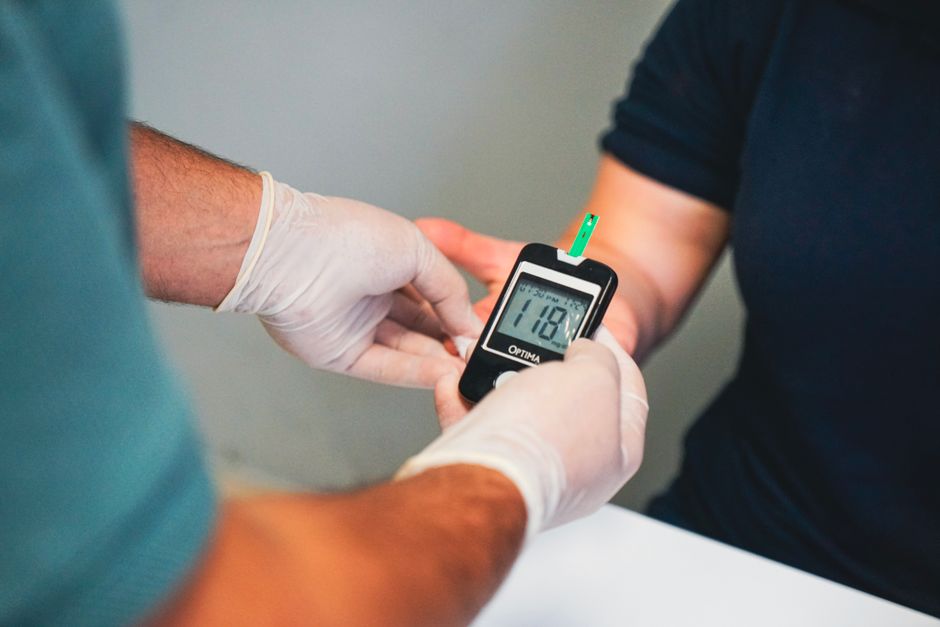
Yes, you can usually drink black coffee before a blood test — but the answer depends entirely on which test you’re having. For most routine tests, plain black coffee won’t change your results. For a few specific tests, it will.
The confusion comes from two separate rules getting mixed together. One rule is about fasting — not eating or drinking anything except water for a set period. The other rule is about coffee specifically, which can affect certain measurements even when you’re not fasting. Knowing which rule applies to your test is the whole game.
Can You Have Coffee Before A Blood Test?
For a standard blood count, thyroid panel, or most hormone tests, black coffee is generally fine.
The reason is straightforward. Coffee contains almost no calories, protein, fat, or carbohydrates when you drink it black. The substances your blood test is measuring in these cases — red and white blood cells, hemoglobin, thyroid hormones, and similar markers — are not meaningfully changed by coffee itself.
The trouble starts when coffee isn’t black. Adding milk, cream, sugar, or a flavored syrup introduces calories and nutrients. That turns your coffee into a meal from your digestive system’s point of view. A fasting glucose test, for example, measures your blood sugar after you’ve gone without food. Add sugar or milk and you’ve broken the fast, even though you only “had coffee.”
There’s a second issue that catches people off guard. Caffeine is a stimulant. It raises heart rate and blood pressure temporarily, and it can trigger the release of stress hormones like cortisol and adrenaline. Those effects are real, but whether they matter depends on what’s being tested.
Which Blood Tests Are Affected by Coffee?
A small number of tests are genuinely sensitive to coffee, and these are the ones where you should skip your morning cup.
Fasting glucose and fasting lipid panels. These tests require you to fast, typically for 8 to 12 hours, and usually only water is allowed during that window. Coffee — even black — can alter glucose and fat metabolism in some people. Some clinicians allow plain black coffee during a fast; others don’t. The safest move is to ask the lab or your doctor what they want, because fasting instructions vary between clinics.
Caffeine and theophylline levels. If your doctor is measuring how much caffeine or a related drug is in your blood, drinking coffee right before the draw defeats the purpose of the test.
Certain hormone tests. Because caffeine can nudge cortisol and other stress hormones upward, some clinicians ask patients to avoid coffee before tests that measure these hormones. The effect is usually modest and short-lived, but it can matter depending on what question the test is trying to answer.
For everything else — complete blood count, basic metabolic panel, liver enzymes, cholesterol when fasting isn’t required, vitamin levels, and most antibody tests — black coffee is unlikely to make a meaningful difference.
What Does “Fasting” Actually Mean Before a Blood Test?
Fasting means no food and no drink except water for a set number of hours before your blood is drawn. Most fasting instructions call for 8 to 12 hours.
Water is almost always allowed and encouraged. Being well hydrated makes the draw easier because your veins are fuller.
Here’s the part people miss: fasting isn’t just about the night before. What you eat the evening before your test can matter too. A very high-fat meal late at night can affect a lipid panel the next morning, even if you technically fasted afterward. A heavy sugary dessert can do the same to a glucose reading.
Black coffee during the fasting window sits in a gray zone. It has no calories, so it doesn’t technically break a fast in the way food does. But it isn’t water, and it does have measurable effects on the body. That’s why guidance differs from one lab to the next.
If you’re unsure, the honest answer is: ask the specific lab doing your draw. Their instructions are the ones that matter.

Does Black Coffee Break a Fast?
In the strict sense — calories — no. Black coffee has essentially zero calories, so it doesn’t provide energy that your body has to process.
But “fasting” for a blood test isn’t only about calories. It’s about keeping your body in a steady, undisturbed state so the test measures what it’s supposed to measure. Coffee nudges several systems, even without calories:
- Caffeine raises heart rate and blood pressure for a while after you drink it.
- It can stimulate the release of cortisol and adrenaline.
- It can affect how the body handles glucose and fat in some people.
- It’s a mild diuretic, which can affect hydration status.
None of these are dramatic for most people. But for a test that’s specifically looking at one of these systems, even a small shift can blur the picture.
What Happens If You Drink Coffee Before a Blood Test by Mistake?
In most cases, nothing serious. Your test results come back, and if coffee affected them, the effect is usually small enough that your doctor can still interpret the results.
But there are situations where a mistake can matter. If you were supposed to be fasting and you drank a coffee with milk and sugar, your glucose or lipid numbers could be skewed enough to look abnormal when they aren’t. That can lead to unnecessary worry, repeat testing, or a misleading result.
The right move is simple: tell the person drawing your blood, or tell your doctor before the results are interpreted. Being honest about what you ate or drank gives them the context to read the numbers correctly. It’s far better than staying quiet and letting a false reading stand.
If the test is one where coffee genuinely interferes — a caffeine level, for example — the result may simply be unusable, and you’ll need to repeat it. That’s inconvenient but not dangerous.
How Long Before a Blood Test Should You Stop Drinking Coffee?
For tests where coffee matters, the common instruction is to avoid it for the entire fasting window, which is usually 8 to 12 hours.
Caffeine stays in your system for several hours. Its effects on heart rate and blood pressure peak within about an hour of drinking it and taper off over the following hours. For most people, caffeine’s noticeable effects are largely gone within several hours, though the exact timing varies based on how much you drank, your body weight, and how quickly your body clears it.
That’s why an overnight break — no coffee after dinner the night before — is a common and reasonable approach when a test is sensitive to caffeine. If your test isn’t sensitive to it, there’s no need to skip your morning cup at all.
Does Coffee Affect Blood Test Results Even Without Fasting?
For most non-fasting tests, no. Coffee doesn’t meaningfully change a complete blood count, a thyroid panel, or a basic metabolic panel.
The tests where coffee can leave a fingerprint are the ones tied to metabolism, stress hormones, and caffeine itself. Outside of those, the effect is generally negligible.
One practical point worth knowing: what you add to coffee often matters more than the coffee. A plain black coffee and a large sweetened latte are very different inputs for your body. If you’re worried about a test result, look at the whole drink, not just the coffee.
If you’re ever unsure whether your specific test is affected, the fastest reliable answer comes from the lab or your doctor’s office — not from a general rule. Test requirements genuinely differ, and their instructions override any general guidance.
Frequently Asked Questions
Can I drink black coffee before a fasting blood test?
It depends on the test and the lab’s instructions. Some allow plain black coffee during the fasting window, while others ask for water only, so confirm with your lab before your appointment.
Does coffee with milk and sugar break a fast?
Yes. Milk and sugar add calories, which breaks a fast in the way that matters for tests like fasting glucose. Plain black coffee has essentially no calories, but it still isn’t water.
How long before a blood test should I stop drinking coffee?
If your test is sensitive to caffeine, avoid coffee for the full fasting window, usually 8 to 12 hours. For tests that aren’t affected, you can generally drink it as usual.
Will coffee change my cholesterol or glucose results?
It can, especially if you add milk or sugar, or if the test requires fasting. Plain black coffee has a smaller effect, but some clinicians still ask patients to skip it before these tests.
