
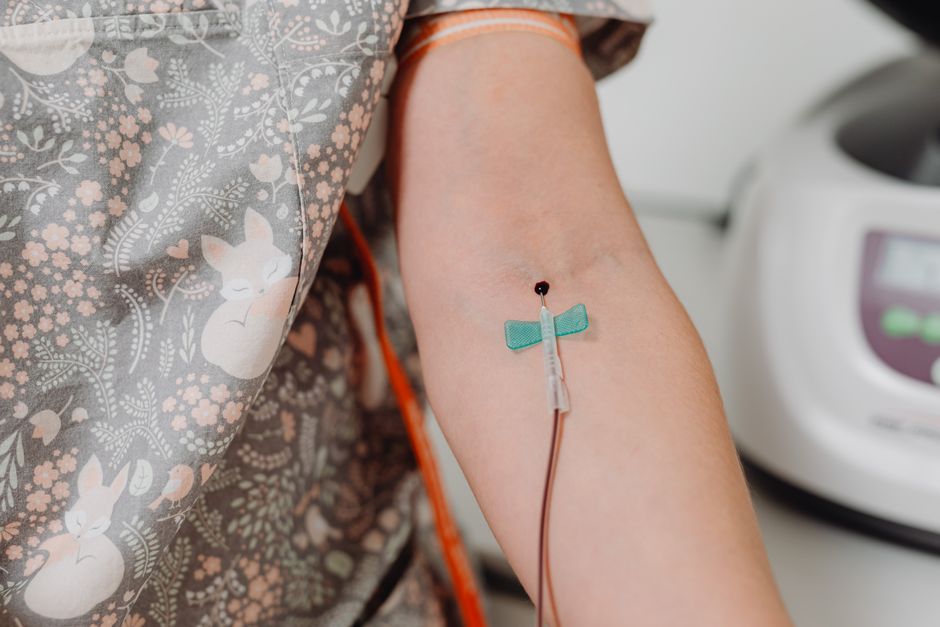
Platelets are tiny, colorless cell fragments in your blood that act as your body’s first responders to bleeding. When you get a cut or an injury, platelets clump together at the site to form a plug, which stops the bleeding and gives your body time to build a proper clot. They are one of the three main types of blood cells, alongside red blood cells that carry oxygen and white blood cells that fight infection.
What Are Platelets In Blood and What Do They Do?
Platelets are produced in your bone marrow, the spongy tissue inside your bones. They are made from very large cells called megakaryocytes, which break apart into thousands of tiny pieces that enter your bloodstream. A healthy adult typically has between 150,000 and 450,000 platelets per microliter of blood.
Their main job is hemostasis, which is the medical term for stopping bleeding. When a blood vessel is damaged, platelets change shape, become sticky, and rush to the injury site. They attach to the damaged area and release chemicals that attract more platelets. This process builds a platelet plug that seals small breaks in blood vessels.
Platelets also release proteins that help activate the clotting cascade, a chain of reactions that forms a stronger, more permanent clot made of fibrin. Without platelets, even a minor injury could cause dangerous blood loss.
What Is a Normal Platelet Count?
A normal platelet count falls between 150,000 and 450,000 platelets per microliter of blood. This range is consistent across most major medical guidelines and applies to both men and women.
Your doctor checks your platelet count with a complete blood count, a routine blood test. The results are reported as the number of platelets per microliter (mcL) of blood. A count within this range means your body is producing and maintaining a healthy supply of platelets.
Platelet counts can fluctuate slightly from day to day. Minor variations are normal and usually not a cause for concern. Your doctor looks at the overall trend and your symptoms, not just a single number.
What Causes Low Platelets (Thrombocytopenia)?
A low platelet count is called thrombocytopenia. It means your blood has fewer than 150,000 platelets per microliter. This condition can range from mild to severe, depending on the cause and the actual count.
There are three main reasons why platelet counts drop:
- Your bone marrow does not make enough platelets. Conditions like leukemia, aplastic anemia, and certain viral infections can disrupt platelet production. Chemotherapy and radiation therapy also suppress bone marrow activity.
- Your body destroys platelets faster than it makes them. This happens in immune thrombocytopenia, where the immune system mistakenly attacks platelets. It can also occur with certain medications, severe infections, or after heart surgery.
- Your spleen traps too many platelets. The spleen is an organ that filters blood and removes old cells. When the spleen is enlarged, it can hold onto too many platelets, keeping them out of circulation.
Pregnancy can also cause mild thrombocytopenia, especially in the third trimester. This is usually harmless and resolves after delivery. However, a severe form called HELLP syndrome is a medical emergency and requires immediate care.




What Are the Symptoms of Low Platelets?
Mild thrombocytopenia often produces no symptoms at all. Many people discover they have a low platelet count only after a routine blood test for an unrelated reason.
As the count drops lower, symptoms become more noticeable. Common signs include:
- Easy bruising, even from minor bumps
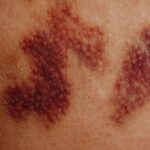
- Petechiae, which are tiny red or purple dots on the skin that look like a rash
- Prolonged bleeding from cuts that takes longer than usual to stop
- Nosebleeds or bleeding from the gums
- Blood in urine or stool
- Heavy menstrual bleeding
Severe thrombocytopenia, particularly counts below 20,000, carries a risk of internal bleeding. This can include bleeding in the brain, which is a life-threatening emergency. If you have a very low platelet count and develop a sudden severe headache, vision changes, or confusion, seek emergency medical care immediately.
What Causes High Platelets (Thrombocytosis)?
A high platelet count is called thrombocytosis. This means your blood has more than 450,000 platelets per microliter. There are two types, and they have very different causes.
Reactive thrombocytosis is the more common type. It happens when another condition stimulates your bone marrow to produce extra platelets. This is a temporary response and not a primary blood disease. Common triggers include:
- Infections and inflammation
- Iron deficiency anemia
- Recent surgery or major trauma
- Blood loss
- Certain cancers
Essential thrombocythemia is a rare bone marrow disorder where the marrow produces too many platelets on its own. This is a chronic condition caused by a genetic mutation. It is not inherited from parents; the mutation develops during a person’s lifetime.
High platelet counts increase the risk of blood clots, which can cause deep vein thrombosis, pulmonary embolism, or stroke. However, reactive thrombocytosis usually does not require treatment beyond managing the underlying cause. Essential thrombocythemia may require medication to lower platelet counts and reduce clot risk.
How Are Platelet Disorders Treated?
Treatment depends entirely on the underlying cause and the severity of the condition. There is no one-size-fits-all approach.
For mild low platelet counts with no symptoms, doctors often recommend monitoring rather than treatment. Regular blood tests track whether the count is stable, improving, or worsening. If a medication is causing low platelets, stopping or changing that medication often resolves the problem.
For more severe cases, treatment options include:
- Corticosteroids to suppress an overactive immune system that is destroying platelets
- Platelet transfusions for dangerously low counts or active bleeding
- Medications that stimulate platelet production such as thrombopoietin receptor agonists
- Splenectomy, or surgical removal of the spleen, in cases where the spleen is trapping platelets
For high platelet counts caused by essential thrombocythemia, doctors may prescribe low-dose aspirin to reduce clot risk. In higher-risk patients, medications like hydroxyurea or anagrelide lower platelet production. Reactive thrombocytosis typically resolves when the underlying condition is treated.
Can Diet Affect Your Platelet Count?
Your diet does not directly control your platelet count in most cases. Platelet production is regulated by hormones and bone marrow function, not by specific foods. No food has been proven to raise or lower platelet counts in a clinically meaningful way.
However, certain nutrients are necessary for normal blood cell production. Your bone marrow needs adequate protein, iron, vitamin B12, and folate to function properly. A severe deficiency in any of these nutrients can impair blood cell production, including platelets. Eating a balanced diet ensures your body has the raw materials it needs.
Be cautious with supplements marketed for “blood health.” Some supplements, particularly high doses of fish oil, vitamin E, and garlic, can affect platelet function and increase bleeding risk. If you have a platelet disorder, talk to your doctor before taking any supplements, especially before surgery.
When Should You See a Doctor About Your Platelets?
You cannot feel your platelet count, so you will not know it is abnormal without a blood test. Routine blood work during annual physicals can catch platelet abnormalities early, before they cause problems.
See a doctor if you notice unexplained or excessive bruising, frequent nosebleeds, or bleeding that does not stop quickly. These could be signs of a low platelet count. Likewise, symptoms of blood clots, such as swelling and pain in one leg, chest pain, or sudden shortness of breath, warrant immediate medical attention if you have a known high platelet count.
If your blood test shows an abnormal platelet count, your doctor will likely repeat the test to confirm the result. A single abnormal reading can be caused by lab error, recent illness, or medications. Confirming the result is standard practice before any further evaluation.
Frequently Asked Questions
Can stress affect your platelet count?
Some research suggests that acute stress may temporarily raise platelet counts, but the effect is usually small and not clinically significant.
What is a dangerous platelet count?
Counts below 20,000 platelets per microliter are considered dangerous because they carry a risk of spontaneous bleeding, including bleeding in the brain.
Can you live a normal life with low platelets?
Many people with mild to moderate thrombocytopenia live completely normal lives with no symptoms and no treatment needed.
Do platelets regenerate quickly?
Platelets have a short lifespan of about 7 to 10 days, and your bone marrow constantly produces new ones to replace them.
