
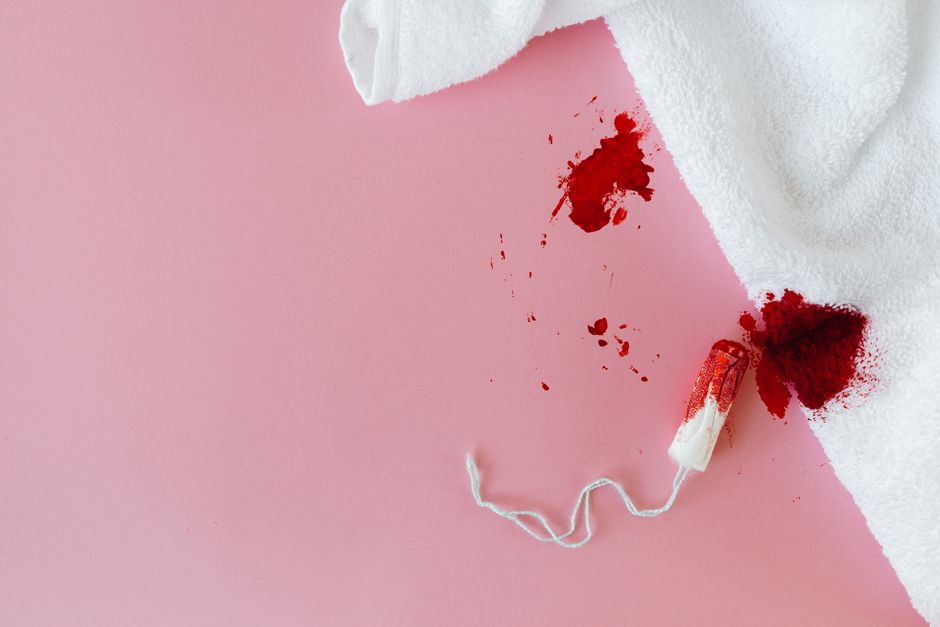
Blood clots faster when platelets become activated and clotting proteins are triggered at the same time. Both components are essential — they work together to stop bleeding. But certain factors like the size of the injury, how fast blood flows, and underlying health conditions can also make clotting happen more quickly.
What Makes Blood Clot Faster Platelets Proteins More?
Both platelets and clotting proteins are necessary for fast clotting. Platelets are small cell fragments that rush to a wound and stick together to form a temporary plug. Clotting proteins — also called coagulation factors — then create a stronger, more stable clot made of fibrin. If you have enough platelets and your clotting factors work properly, clotting happens in minutes. Some conditions can make this process even faster. For example, having more platelets than normal, or having certain genetic changes that raise clotting factor levels, can speed up the response. But faster is not always better — that is covered later in this article.
How Do Platelets Help Blood Clot?
Platelets are the first responders. When a blood vessel is damaged, platelets stick to the exposed tissue and change shape. They release chemicals that attract more platelets. This forms a loose plug within seconds to minutes. Healthy people typically have 150,000 to 450,000 platelets per microliter of blood. If your platelet count is high — over 450,000 — clotting may happen more quickly. But a high count can also raise the risk of unwanted clots.
Platelets also provide a surface for clotting proteins to assemble. Without enough platelets, clotting slows down. That is why people with low platelet counts (thrombocytopenia) bruise easily and bleed longer.
Which Clotting Proteins Are Most Important?
Clotting proteins are made mostly in the liver. They work in a chain called the coagulation cascade. Each factor activates the next. The final step is turning fibrinogen into fibrin. Fibrin forms a mesh that traps platelets and other blood cells, creating a stable clot.
Some of the key proteins are prothrombin (factor II), factor VIII, factor IX, and fibrinogen. If these proteins are present in normal to high levels, the cascade can proceed efficiently. Certain medical conditions — like pregnancy, estrogen use, or inherited disorders — can raise levels of these factors. For example, elevated factor VIII is linked to a higher risk of blood clots.
Vitamin K is also essential. Your liver needs vitamin K to make prothrombin and several other clotting factors. People with vitamin K deficiency clot more slowly, but taking extra vitamin K will not speed up clotting unless you are deficient.



What Medical Conditions Speed Up Clotting?
Several conditions make blood clot faster than normal. These are called thrombophilias. They can be inherited or acquired.
- Factor V Leiden: A genetic change that makes factor V resistant to breakdown. This increases clot risk.
- Prothrombin gene mutation: Raises prothrombin levels, which can accelerate clotting.
- Antiphospholipid syndrome: An autoimmune condition that activates clotting proteins.
- Cancer: Some tumors release substances that trigger clotting.
- Pregnancy: Estrogen and other changes raise clotting factor levels, especially in the third trimester.
- Obesity and smoking: Both increase inflammation and affect clotting proteins.
These conditions do not automatically mean you will form a clot. But they make the balance tip more easily toward clotting.
Can Lifestyle Choices Make Blood Clot Faster?
Some everyday factors can affect clotting speed. Dehydration makes blood thicker and may slow or alter clotting, but the effect is not well studied. Regular exercise improves blood flow and may reduce the risk of dangerous clots, though it does not necessarily make clotting faster in a wound. Smoking is clearly linked to higher clot risk. It damages blood vessel walls and raises fibrinogen levels. Staying hydrated and avoiding smoking are sensible steps for normal clotting function.
Diet plays a smaller role than many think. Vitamin K from leafy greens helps your liver make clotting factors, but eating more spinach will not shorten bleeding time unless you were deficient. Omega-3 fatty acids from fish oil may slightly thin blood and slow clotting, but that effect is modest and varies by person.
When Is Fast Clotting a Problem?
Faster clotting is useful when you are bleeding. But the same process can cause harm inside intact blood vessels. A clot that forms in an artery or vein without an injury is called a thrombus. This can block blood flow and cause a heart attack, stroke, or pulmonary embolism. Conditions that speed up clotting — like Factor V Leiden, cancer, or prolonged bed rest — increase the risk of these events.
Doctors sometimes use blood thinners (anticoagulants) to slow clotting in people at high risk. These medications reduce the activity of clotting proteins. They do not dissolve existing clots, but they prevent new ones from forming.
Frequently Asked Questions
What makes blood clot faster?
Blood clots faster when platelets are activated and clotting proteins are working efficiently. Injuries to blood vessels, high platelet counts, and certain medical conditions can also increase clotting speed.
Can food or supplements make blood clot faster?
No food or supplement has been proven to reliably speed up clotting in healthy people. Vitamin K is necessary for clotting, but extra vitamin K only helps if you are deficient.
How quickly does blood normally clot?
Bleeding from a small cut usually stops within 1 to 3 minutes. Laboratory tests measure clot formation in 10 to 14 seconds for the beginning of the clotting cascade.
Is fast blood clotting dangerous?
Fast clotting is dangerous only when it happens inside a blood vessel without injury. This can cause deep vein thrombosis, stroke, or pulmonary embolism. In a wound, fast clotting is normal and protective.
