
Seeing “clumped platelets” on your blood test report can be confusing and a little alarming. In simple terms, it means your platelets stuck together in the lab sample before the test could count them properly. This is a common lab finding, and it often means the test result is inaccurate rather than a sign of a serious medical problem.
What Are Platelets and Why Do They Clump?
Platelets are tiny blood cells that help your blood clot. When you get a cut, they gather at the site and stick together to stop the bleeding. This is a normal and essential function.
However, this same sticking behavior can happen outside your body. When blood is drawn into a test tube, a chemical is added to prevent clotting. Sometimes, that chemical is not enough to stop the platelets from clumping. This is called platelet clumping or platelet aggregation.
The clumping is almost always an artifact of the lab process. It is not a disease. It is a problem with the sample, not with your blood.
What Do Clumped Platelets In A Blood Test Mean for Your Results?
Clumped platelets directly affect the accuracy of your complete blood count (CBC). The automated machine that counts your blood cells cannot distinguish between a single platelet and a clump of platelets.
When platelets clump, the machine counts the entire clump as one single platelet. This leads to a falsely low platelet count, a condition called pseudothrombocytopenia. The word “pseudo” means false. Your actual platelet count in your body may be perfectly normal.
In some cases, the machine may also flag the clump as another type of cell, like a white blood cell. This can cause a falsely elevated white blood cell count. Both results are inaccurate and do not reflect your true health status.
What Causes Platelet Clumping in a Blood Sample?
The most common cause is the chemical used to preserve the blood sample. The standard additive in lavender-top tubes is EDTA. For most people, EDTA works perfectly. For a small percentage of people, EDTA triggers their platelets to clump.
This reaction is not harmful to you. It only happens in the test tube. It does not mean your platelets are more likely to clump inside your body and cause dangerous blood clots.
Other factors can also cause clumping. A difficult blood draw or a slow blood draw can contribute. The sample may also clump if it is not mixed well with the additive or if it sits for too long before being tested.





How Do Labs Handle Clumped Platelets?
Laboratory professionals are trained to spot this issue. When a blood smear is reviewed under a microscope, clumped platelets are visible. The lab will often report the result with a note saying “platelet clumps seen” or “platelet count cannot be accurately determined.”
When this happens, the lab has standard procedures to get an accurate count. The most common solution is to draw a new blood sample using a different type of tube. This tube may contain a different additive, such as sodium citrate, which prevents clumping in most cases.
Another technique is to run the test immediately after the blood is drawn. Sometimes this prevents the clumping from occurring. The lab might also use a different method to count the platelets, such as manually counting them under a microscope.
Is Platelet Clumping a Sign of a Health Problem?
No. Platelet clumping in a test tube is not a sign of a bleeding disorder, a clotting disorder, or any other underlying illness. It is a laboratory phenomenon.
People who have this reaction to EDTA live perfectly healthy lives. They do not have an increased risk of bleeding or bruising. They do not have an increased risk of stroke or heart attack from this finding.
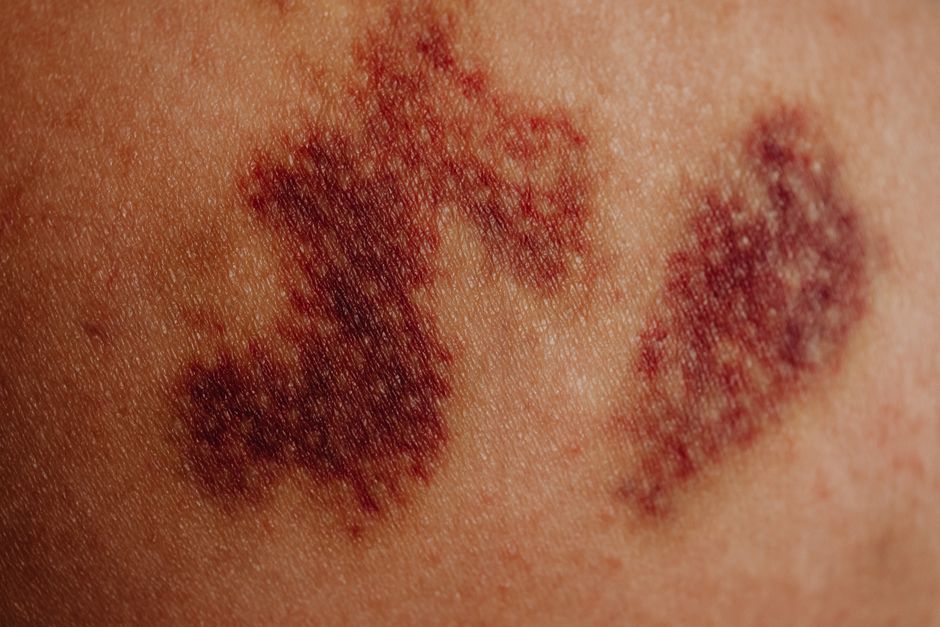
It is important to distinguish this from a real condition called thrombocytopenia, which is a genuinely low platelet count. True thrombocytopenia can cause easy bruising, petechiae (tiny red dots on the skin), and prolonged bleeding. If your platelet count is falsely low due to clumping, you will not have these symptoms.
What Should You Do If Your Test Shows Clumped Platelets?
You do not need to panic or take any immediate action. The first step is usually a simple repeat blood test. Your doctor will likely order a new draw using a different tube to get an accurate platelet count.
If you have no symptoms of bleeding and your repeat test shows a normal platelet count, then the clumping was just a lab artifact. No further testing is needed.
If your repeat test still shows a low platelet count, your doctor may order additional tests. These could include a peripheral blood smear to visually examine your blood cells. This test can confirm whether true clumping is still occurring or if your platelet count is genuinely low.
Key Facts to Remember About Clumped Platelets
- Clumped platelets are a common lab finding, not a disease.
- They cause a falsely low platelet count on the automated test.
- This false result is called pseudothrombocytopenia.
- The most common cause is a reaction to the EDTA additive in the collection tube.
- It does not increase your risk of bleeding or blood clots.
- A repeat blood draw with a different tube usually solves the problem.
- Your actual platelet count is likely normal.
When to Talk to Your Doctor
You should always discuss any abnormal blood test result with your doctor. If your report mentions clumped platelets, ask them what the next step is.
You should also mention any symptoms you are experiencing. Symptoms like easy bruising, bleeding gums, blood in your stool, or tiny red spots on your skin warrant a conversation with your doctor. These symptoms would point toward a real platelet problem, not just a lab artifact.
However, if you feel completely healthy and have no bleeding symptoms, clumped platelets on a report is rarely a cause for concern. It is a technical issue that is easily corrected with a repeat test. Your doctor will guide you through the process.
Frequently Asked Questions
Can clumped platelets cause a falsely high platelet count?
Clumped platelets usually cause a falsely low platelet count, not a high one. The machine may miscount the clump as another cell type, which can occasionally cause a falsely elevated white blood cell count.
Does platelet clumping mean I have a blood clotting disorder?
No. Platelet clumping in a test tube is a lab artifact and is not a sign of a clotting disorder. It does not mean your platelets are more likely to form dangerous clots in your body.
Will I need to repeat my blood test if platelets are clumped?
Yes, a repeat blood test is the standard next step. Your doctor will likely order a new draw using a different tube additive, such as sodium citrate, to get an accurate platelet count.
