
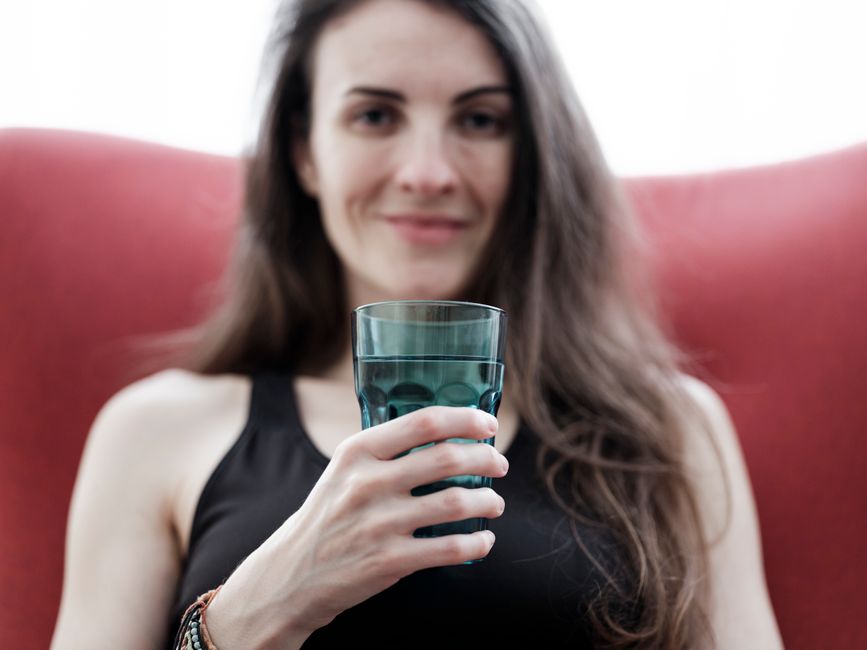
Water moves through your digestive system faster than any food or drink. Once you swallow water, it reaches your stomach in seconds and begins entering your small intestine almost immediately. Most of the water you drink is fully absorbed into your bloodstream within 5 to 20 minutes. The entire process, from mouth to full absorption, typically takes under 45 minutes for a healthy adult. This is much faster than solid food, which can take 24 to 72 hours to fully pass through your system.
What Actually Happens to Water After You Drink It?
Your body does not “digest” water the way it digests food. Digestion breaks down complex molecules into smaller ones. Water is already a simple molecule. Your body just needs to absorb it.
Here is the path water takes. It goes down your esophagus into your stomach. The stomach holds water briefly, but it does not mix it with digestive enzymes the way it does with food. Your stomach starts releasing small amounts of water into the small intestine within minutes. This is called gastric emptying.
The small intestine is where most absorption happens. Your intestinal walls have tiny structures called villi that pull water into your bloodstream. From there, your kidneys decide how much water to keep and how much to send to your bladder as urine. This whole process is efficient and fast for plain water.
How Long Does It Take for Water to Digest on an Empty Stomach?
When you drink water on an empty stomach, it moves through your system at maximum speed. Research shows that gastric emptying of water happens fastest when the stomach is empty. Half of the water you drink leaves your stomach within 5 to 10 minutes. Most of it is gone within 20 minutes.
Your body prioritizes water absorption because it needs water for blood volume, temperature regulation, and organ function. There is no food blocking the path, so water moves straight through the pyloric valve into the small intestine. This valve acts like a gatekeeper, and it opens more easily for liquids than for solids.
A 2012 study in the European Journal of Applied Physiology measured how fast water leaves the stomach. Participants drank water on an empty stomach. The researchers found that 50 percent of the water had emptied into the small intestine within 12 minutes. Complete gastric emptying took about 20 to 30 minutes.
Does Food Change How Fast Water Is Absorbed?
Yes, food slows down water absorption significantly. When you eat a meal, your stomach releases food slowly into the small intestine. Water gets mixed into this process. It does not pass through as quickly as it would on an empty stomach.
The type of food matters. A meal high in fat or protein slows gastric emptying the most. Fat triggers hormones that tell the stomach to hold contents longer. Protein has a similar but slightly weaker effect. Carbohydrates have less impact on slowing water absorption.
Here is a simple comparison of how food affects water absorption time:
| Situation | Time for 50% Absorption | Time for Full Absorption |
|---|---|---|
| Empty stomach | 5 to 12 minutes | 20 to 45 minutes |
| With a light meal | 15 to 30 minutes | 45 to 90 minutes |
| With a heavy meal | 30 to 60 minutes | 1 to 3 hours |
This is why you feel thirsty again sooner if you drink water between meals. The water clears your system fast. If you drink with a meal, the water stays in your stomach longer and gets absorbed more gradually.




What Factors Influence How Fast Water Digests?
Several factors affect how quickly your body absorbs water. Some are under your control. Others are not.
Hydration status matters. If you are dehydrated, your body absorbs water faster. Your kidneys hold onto more water and send less to the bladder. If you are already well hydrated, excess water passes through more quickly and ends up in urine sooner.
Temperature of the water has a small effect. Cold water leaves the stomach slightly faster than warm water. One study found that water at 4 degrees Celsius emptied from the stomach faster than water at 37 degrees. The difference was modest, around 10 to 15 percent faster for cold water. Current research suggests this difference is not meaningful for daily hydration.
Exercise speeds up gastric emptying. When you exercise, blood flow to your digestive system changes. Your stomach empties liquids faster during moderate exercise. This is why athletes can drink water during a race without feeling sloshing in their stomach.
Stress and anxiety slow digestion. Your body diverts blood away from the digestive tract when you are stressed. This can delay gastric emptying for both food and water. The effect is usually small for water but noticeable for some people.
Age plays a role. Older adults may have slightly slower gastric emptying. The difference is small for water but becomes more significant for solid foods. As of 2026, current research suggests that healthy older adults still absorb water efficiently, just a few minutes slower than younger adults.
Does Drinking Water With Meals Cause Problems?
This is a common question with a lot of misinformation online. Some people claim drinking water with meals dilutes stomach acid and impairs digestion. There is no strong evidence for this claim.
Your stomach produces acid continuously. Drinking water does not change the pH of your stomach significantly. Your stomach adjusts acid production to maintain the right environment for digestion. The idea that water weakens digestion is a myth.
There is one real effect to know about. Drinking large amounts of water with a meal can speed up how fast food leaves your stomach. This is called accelerated gastric emptying. For most people, this is not a problem. For people with certain conditions like dumping syndrome, it can cause discomfort. But for healthy adults, drinking water with meals is fine and even helpful for digestion.
Some people report that drinking water before a meal helps them feel full and eat less. This is a real effect. Water takes up space in the stomach and triggers stretch receptors that signal fullness. Drinking about 500 milliliters of water 30 minutes before a meal can reduce calorie intake at that meal.
Common Misconceptions About Water Digestion
Several myths about water digestion spread online. Here are the ones that come up most often and what the evidence actually shows.
Myth: Drinking cold water burns more calories. Some people claim your body uses energy to warm up cold water. The effect is real but tiny. Drinking two liters of cold water per day burns about 50 to 70 extra calories. This is the energy equivalent of a small apple. It will not cause noticeable weight loss.
Myth: You need to drink eight glasses of water per day. This number comes from a 1945 recommendation that included water from all sources, not just drinking water. Your food provides significant water. Fruits and vegetables are 80 to 95 percent water. Soup, coffee, and tea all count. Your actual water needs depend on your body size, activity level, climate, and diet. There is no universal number.
Myth: Drinking water flushes out toxins. Your liver and kidneys handle detoxification. Water helps your kidneys filter waste, but drinking extra water does not “flush” more toxins. Drinking beyond your needs just means you urinate more. The idea that extra water cleanses your body faster is not supported by evidence.
Myth: You should not drink water during exercise. This is dangerous advice. Your body needs water during exercise to maintain blood volume and regulate temperature. Drinking small amounts of water throughout exercise improves performance and prevents dehydration. The only adjustment is to avoid drinking huge amounts at once, which can cause stomach discomfort.
Frequently Asked Questions About it take for water to digest
How long does it take for water to digest on an empty stomach?
Water starts entering your small intestine within 5 to 10 minutes on an empty stomach. Full absorption into your bloodstream usually takes 20 to 45 minutes.
Does drinking cold water digest faster than warm water?
Cold water leaves the stomach slightly faster than warm water, but the difference is small. Both are absorbed efficiently and the temperature does not matter for daily hydration.
Can you drink too much water too fast?
Yes, drinking very large amounts of water quickly can cause hyponatremia, where your blood sodium drops too low. This is rare and usually only happens during intense endurance exercise or extreme overhydration.
Does water digestion slow down as you age?
Healthy older adults absorb water only slightly slower than younger adults. The difference is a few minutes and does not affect hydration for most people.
