
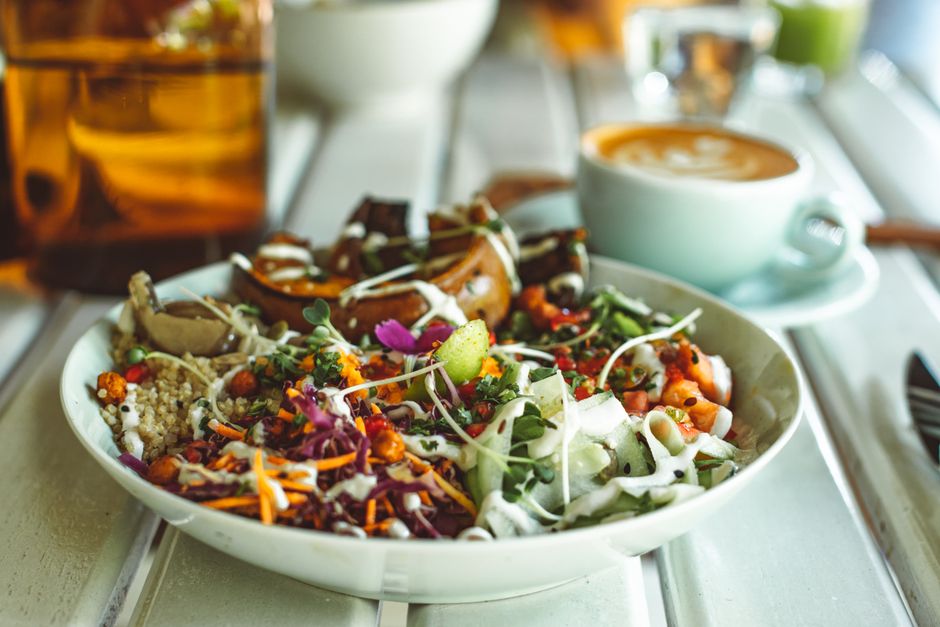
Yes, quinoa salad is a healthy meal choice that provides steady energy and can help keep blood sugar stable. Unlike refined grains, quinoa is a complete protein with fiber and a low glycemic index. It delivers more than basic nutrition—it supports digestion, heart health, and long-lasting fullness.
Is Quinoa Salad Healthy Nutrition Blood Sugar More
Quinoa salad is genuinely healthy. A single cup of cooked quinoa provides about 8 grams of protein, 5 grams of fiber, and significant amounts of magnesium, iron, and B vitamins. The combination of protein and fiber slows digestion, which prevents rapid spikes in blood sugar. This makes quinoa salad a better choice than salads built on white pasta or white rice.
The “more” in this question points to benefits beyond basic nutrition. Quinoa contains all nine essential amino acids, making it a rare plant-based complete protein. It is also naturally gluten-free, which matters for people with celiac disease or gluten sensitivity. Quinoa is not a superfood in the marketing sense—it is simply a well-balanced whole grain that fits into a wide range of dietary patterns.
What Makes Quinoa Different from Other Grains
Most grains are low in one or more essential amino acids. Quinoa is different. It provides all nine, which means your body can use its protein efficiently without needing another food to fill the gaps. This is unusual for a plant food.
Quinoa also has more fiber than many common grains. One cup cooked contains about 5 grams of fiber, compared to 3.5 grams in brown rice and less than 1 gram in white rice. Fiber slows carbohydrate absorption and feeds beneficial gut bacteria.
Another difference is its mineral content. Quinoa is a good source of magnesium, zinc, copper, and manganese. Magnesium plays a direct role in insulin sensitivity, which matters for blood sugar control.
How Does Quinoa Salad Affect Blood Sugar
Quinoa salad has a low glycemic index—generally around 53, which is considered low. Foods with a low GI cause a slower, smaller rise in blood glucose compared to high-GI foods like white bread or sugary dressings.
The fiber and protein in quinoa work together to blunt post-meal glucose spikes. A 2017 study in the Journal of Medicinal Food found that replacing white rice or potatoes with quinoa resulted in lower blood sugar and insulin levels after meals. This does not mean quinoa cures diabetes or replaces medication. It means it is a sensible carbohydrate choice.
What you add to the salad matters. A quinoa salad with plenty of non-starchy vegetables, healthy fats like olive oil or avocado, and a lean protein source will have a more favorable effect on blood sugar than a salad heavy on dried fruit, sugary vinaigrettes, or cheese.


Can Quinoa Salad Help with Weight Management
Quinoa salad can support weight management for two reasons: it is nutrient-dense and it promotes satiety. The fiber and protein take longer to digest, which keeps you full for hours after eating. That can reduce snacking later in the day.
One cup of cooked quinoa has about 222 calories. That is similar to brown rice, but quinoa delivers more protein and fiber per calorie. Replacing a refined-grain side dish with quinoa salad may help you eat fewer calories overall without feeling deprived.
No single food causes weight loss. But swapping lower-quality carbohydrates for quinoa is a practical change that fits within a balanced eating pattern.
What Are the Best Ingredients to Add to a Quinoa Salad
To build a nutritious quinoa salad, start with cooked, cooled quinoa as the base. Add vegetables for volume, fiber, and vitamins. Good choices include cucumbers, bell peppers, tomatoes, spinach, arugula, red onion, and shredded carrots.
Add a protein source. Canned or cooked beans, chickpeas, grilled chicken, tofu, or hard-boiled eggs all work. This makes the salad a complete meal that sustains energy.
Healthy fats improve nutrient absorption. A drizzle of olive oil, sliced avocado, or a few tablespoons of nuts or seeds add flavor and help your body absorb fat-soluble vitamins from the vegetables.
Watch the dressing. A simple vinaigrette with olive oil, lemon juice, salt, and herbs is far better than bottled dressings loaded with sugar and refined oils. Dried fruit and sweet dressings can turn a healthy salad into a sugar-heavy dish.
Is Quinoa Salad Safe for Everyone
Quinoa is safe for most people. It is gluten-free, so it is suitable for those with celiac disease or non-celiac gluten sensitivity. It does contain saponins, natural compounds on the outer layer that can taste bitter. Most commercial quinoa is pre-rinsed, but rinsing again at home removes any remaining saponins.
Some people experience bloating or digestive discomfort when first eating quinoa. This usually resolves as the gut adapts to the higher fiber intake. Drinking enough water and increasing fiber slowly can help.
People with kidney disease who need to limit potassium or phosphorus should check with a healthcare provider, because quinoa is relatively high in both minerals. For the general population, this is a benefit, not a concern.
Frequently Asked Questions
Is quinoa salad good for diabetes?
Yes, quinoa salad is a sensible choice for diabetes because its fiber and protein slow carbohydrate digestion and reduce blood sugar spikes. It should be part of a balanced meal, not relied on alone.
How much quinoa should I eat in a salad?
A serving size is about one cup of cooked quinoa, which is roughly the amount you would get from a standard side dish. This provides around 40 grams of carbohydrates, so adjust based on your total daily carbohydrate needs.
Can I eat quinoa salad every day?
Yes, quinoa salad can be eaten daily as part of a varied diet. Rotate it with other whole grains like brown rice, oats, or barley to ensure a broad range of nutrients.
Is quinoa salad high in carbs?
One cup of cooked quinoa has about 39 grams of carbohydrates, which is moderate compared to refined grains. The fiber content (5 grams) reduces its net carb impact and blunts the effect on blood sugar.
