

Most sinus infections are caused by viruses, not bacteria. That means antibiotics usually don’t help. For most people, the best treatments focus on relieving symptoms while the body clears the infection on its own. These include saline nasal rinses, over-the-counter pain relievers, decongestants, and rest. Antibiotics are only prescribed for confirmed bacterial sinus infections, which are less common.
Do I need antibiotics for a sinus infection?
This is the most common question people have. The answer depends on what is causing the infection. Viral sinus infections—the kind that come with a cold—do not respond to antibiotics. They typically improve within 7 to 10 days without medication.
Bacterial sinus infections are less common. They may be suspected if symptoms last more than 10 days, get worse after starting to improve, or include high fever and thick yellow or green nasal discharge for several days. Even then, many bacterial sinus infections clear on their own. Doctors often recommend waiting another 7 days before starting antibiotics unless symptoms are severe.
Using antibiotics when they are not needed does not help and can cause side effects like diarrhea, rash, or allergic reactions. Overuse also contributes to antibiotic resistance, which makes future infections harder to treat.
What over-the-counter medications help?
Several types of medications can reduce symptoms while your body fights the infection.
Pain relievers such as acetaminophen or ibuprofen can ease facial pain, headache, and fever. Follow the directions on the label. Do not take more than the recommended dose.
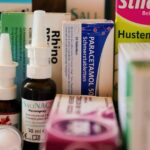
Decongestants come as pills or nasal sprays. Oral decongestants like pseudoephedrine can help reduce nasal congestion. Nasal decongestant sprays (oxymetazoline) work faster but should not be used for more than three days in a row. Longer use can cause rebound congestion, where symptoms get worse when you stop.
Expectorants like guaifenesin thin mucus, making it easier to drain. Drink plenty of water when taking expectorants to get the full benefit.
Nasal steroid sprays such as fluticasone or triamcinolone reduce inflammation in the nasal passages. They work slowly, often taking several days to a week to show full effect. They are most useful for people with chronic sinus issues or allergies.
No single medication works for everyone. Choose based on your main symptoms. If you have high blood pressure or other health conditions, check with a pharmacist or doctor before taking decongestants.
Do home remedies like nasal rinses work?
Saline nasal rinses are one of the most effective home treatments for sinus infections. They flush out mucus, allergens, and irritants, and help the sinuses drain. Use distilled, sterile, or boiled-and-cooled water to make the rinse. Tap water can contain organisms that cause serious infections, especially in people with weakened immune systems.
Neti pots and squeeze bottles are both fine. The key is to use them correctly. Tilt your head to the side and pour the saline into the upper nostril. It should flow out the other nostril. Clean the device after each use.
Steam inhalation is another common remedy. Inhaling steam from a bowl of hot water or a warm shower can temporarily moisten nasal passages and thin mucus. There is no strong evidence that steam kills viruses or shortens the infection, but many people report feeling better during and after a steamy shower.
Drinking extra fluids and using a humidifier in your bedroom may also help keep mucus thin. Rest is important because your immune system needs energy to fight the infection.



What is given for sinus infection treatments that work?
Treatments that work fall into two categories: symptom relief for viral infections and targeted therapy for bacterial infections. For most people, the effective options are saline rinses, pain relievers, and decongestants used as needed. Nasal steroid sprays help some people, particularly those with allergies. Antibiotics are effective only for confirmed bacterial infections and should be taken exactly as prescribed.
No treatment cures a viral sinus infection. The goal is to make you comfortable while your immune system does the work. For bacterial infections, completing the full course of antibiotics—even if you feel better—is essential to prevent the infection from returning.
When should I see a doctor?
Most sinus infections get better without medical care. But some situations require a doctor’s evaluation.
- Symptoms last longer than 10 days without improvement.
- Symptoms get worse after starting to improve.
- You have a fever above 102°F (39°C).
- You have severe headache or facial pain.
- You have vision changes, swelling around the eyes, or confusion.
- You have repeated sinus infections (more than four per year).
These signs may indicate a bacterial infection or a complication that needs treatment. A doctor can examine your sinuses, possibly order imaging, and decide if antibiotics or other interventions are needed.
What treatments exist for chronic sinusitis?
Chronic sinusitis means sinus inflammation that lasts 12 weeks or longer despite treatment. It is not usually caused by an active infection. Instead, ongoing inflammation from allergies, nasal polyps, or structural problems keeps the sinuses blocked.
First-line treatments include nasal steroid sprays, saline rinses, and management of underlying allergies. Allergy shots (immunotherapy) may help if allergies are a trigger. If a structural issue like a deviated septum blocks drainage, surgery to open the sinuses may improve symptoms. Antibiotics are not helpful for chronic sinusitis unless a bacterial infection is documented.
Some people with chronic sinusitis benefit from a short course of oral steroids to reduce inflammation. This decision should be made by a doctor, as steroids have side effects. There is no strong evidence that complementary treatments like probiotics, herbal supplements, or acupuncture reliably improve chronic sinusitis.
Can I prevent sinus infections?
You cannot prevent every sinus infection, but you can lower your risk. Wash your hands frequently, especially during cold and flu season. Avoid smoking and exposure to secondhand smoke. Manage allergies with antihistamines or nasal sprays if needed. Use a humidifier in dry environments to keep nasal passages moist.
Getting the annual flu shot and staying up to date on other vaccines, including pneumococcal and COVID-19 vaccines, may reduce your chances of getting respiratory infections that can lead to sinusitis.
Frequently Asked Questions
How long does a sinus infection usually last?
Viral sinus infections typically last 7 to 10 days. Bacterial infections can last longer, sometimes up to two or three weeks without treatment.
Can I treat a sinus infection without seeing a doctor?
Yes, most sinus infections can be managed at home with rest, fluids, saline rinses, and over-the-counter pain relievers. See a doctor if symptoms are severe or last beyond 10 days.
Does blowing your nose make a sinus infection worse?
Forceful nose blowing can push mucus deeper into the sinuses, which may worsen congestion. Gentle blowing or using a saline rinse to clear mucus is safer.
Is it safe to fly with a sinus infection?
Flying with a blocked sinus can cause severe pain during takeoff and landing. The pressure changes can also make the infection worse. If possible, wait until the infection clears before flying.
