
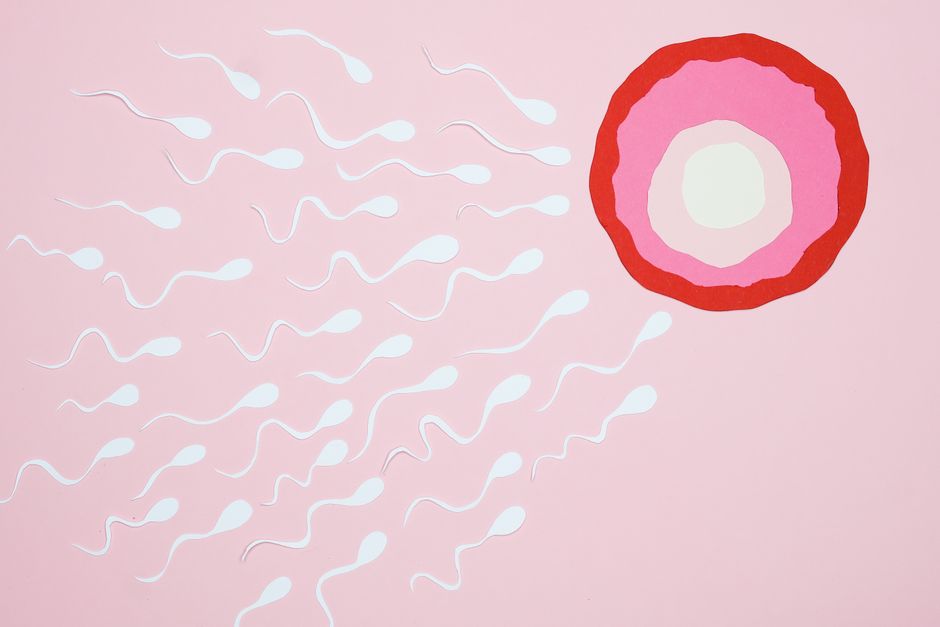
The window for fertilizing an egg after ovulation is short — typically 12 to 24 hours. An egg is released from the ovary and, if not fertilized within that day, it breaks down and is absorbed by the body. Sperm, however, can survive inside the female reproductive tract for up to five days, which is why the fertile window extends before ovulation occurs. Understanding this timeline matters if you are trying to conceive or hoping to avoid pregnancy.
What Happens During Ovulation
Ovulation is the release of a mature egg from one of the ovaries. This usually happens about 14 days before the start of your next period, though cycle lengths vary. The egg travels into the fallopian tube, where it can meet sperm.
The egg is surrounded by a protective layer called the zona pellucida. Sperm must penetrate this layer to fertilize the egg. Once one sperm enters, the layer hardens, preventing any other sperm from getting in. This process is not instant — it takes several hours for sperm to reach the egg and break through.
Hormones control the entire process. A surge in luteinizing hormone (LH) triggers the release of the egg. This LH surge typically happens 24 to 36 hours before ovulation. Many ovulation predictor kits detect this surge to help time intercourse.
How Long After Ovulation Can An Egg Be Fertilized?
An egg can be fertilized for only 12 to 24 hours after it is released. This is the lifespan of the egg. If sperm does not reach it within that window, fertilization cannot occur.
The egg does not die abruptly at the 24-hour mark in every case. Some research suggests the egg may remain viable slightly longer in rare instances, but the standard medical understanding is that the fertile window for the egg itself is about one day. Most conception happens when intercourse occurs in the five days before ovulation or on the day of ovulation itself.
This short lifespan is why timing matters. Sperm can wait for the egg. The egg cannot wait for sperm. If you have intercourse on the day of ovulation, sperm need to reach the egg within those 12 to 24 hours. If you have intercourse a day or two before ovulation, sperm are already in place when the egg is released.
How Long Can Sperm Survive?
Sperm can survive inside the female reproductive tract for up to five days. This survival depends on the quality of the cervical mucus. Around ovulation, cervical mucus becomes thin, clear, and slippery — similar to raw egg white. This mucus helps sperm travel and keeps them alive longer.
Outside this fertile window, cervical mucus is thick and hostile to sperm. Sperm survival drops significantly when the mucus is not favorable. This is why fertility awareness methods track cervical mucus changes to identify the fertile window.
The practical takeaway: the fertile window is about six days total. That includes the five days before ovulation and the day of ovulation itself. Having intercourse on any of these days can result in pregnancy, though the highest probability falls on the one to two days immediately before ovulation.


How Long Does Fertilization Take?
Fertilization itself is not a single moment. It is a process that takes about 24 hours from the time sperm first contacts the egg until the genetic material from both parents combines.
The steps include:
- Sperm binding to the outer layer of the egg
- The acrosome reaction, where enzymes help sperm penetrate the zona pellucida
- The sperm and egg membranes fusing
- The egg completing its second meiotic division
- The male and female pronuclei combining
After fertilization, the zygote begins dividing. It travels down the fallopian tube toward the uterus over the next three to four days. Implantation in the uterine lining typically happens six to ten days after ovulation. At that point, the pregnancy hormone hCG begins to rise, which is what home pregnancy tests detect.
How to Time Intercourse for Conception
If you are trying to conceive, the goal is to have sperm waiting in the fallopian tube when the egg arrives. This means intercourse in the days before ovulation, not just on the day itself.
Most fertility specialists recommend having intercourse every one to two days during the fertile window. This approach ensures fresh sperm are present without creating pressure around a single specific day. Daily intercourse during the fertile window does not harm sperm quality in most men, though every-other-day is equally effective for most couples.
Tracking ovulation can help you identify your fertile window. Methods include:
- Ovulation predictor kits that detect the LH surge
- Basal body temperature tracking, which confirms ovulation after it happens
- Cervical mucus monitoring
- Fertility apps that estimate ovulation based on cycle history
Temperature tracking tells you when ovulation has already occurred, not when it is coming. LH kits give more advance notice because the surge precedes ovulation by about a day. Combining methods gives the clearest picture.
What If You Have Irregular Cycles?
Irregular cycles make predicting ovulation harder. If your cycle length varies significantly from month to month, the standard “day 14” assumption may not apply to you. Some women ovulate earlier or later in their cycle.
Conditions like polycystic ovary syndrome (PCOS) can cause irregular or absent ovulation. Thyroid disorders and stress can also affect cycle regularity. If your cycles are consistently longer than 35 days or shorter than 21 days, or if you have been trying to conceive for over a year without success, speaking with a healthcare provider is reasonable.
For women over 35, most guidelines suggest seeking evaluation after six months of trying. This is not because something is necessarily wrong — it is simply a standard checkpoint to identify potential issues earlier rather than later.
Can an Egg Be Fertilized After 24 Hours?
In rare cases, fertilization may occur slightly beyond the 24-hour mark, but this is not well documented and should not be relied upon. The egg’s quality declines as time passes after ovulation. Even if fertilization occurs late, the resulting embryo may have a higher chance of chromosomal abnormalities.
Some research suggests that embryos fertilized later in the egg’s lifespan may be less likely to implant successfully. The biological design favors quick fertilization. Sperm that are already present when the egg is released have the best chance of producing a healthy pregnancy.
This is why fertility clinics time procedures like intrauterine insemination (IUI) carefully around ovulation. The goal is always to have sperm ready before or at the moment of egg release, not after.
Frequently Asked Questions
Can an egg be fertilized two days after ovulation?
No, an egg is usually only viable for 12 to 24 hours after ovulation. Fertilization after two days is not considered possible based on current medical understanding.
How many days after ovulation can you get pregnant?
You can get pregnant on the day of ovulation and in the five days before it, because sperm can survive that long. The egg itself only lives about 24 hours after release.
How long after ovulation does implantation occur?
Implantation typically happens 6 to 10 days after ovulation. The fertilized egg travels through the fallopian tube and into the uterus before attaching to the uterine lining.
How soon after ovulation can a pregnancy test detect pregnancy?
Most home pregnancy tests can detect hCG about 10 to 14 days after ovulation. Testing too early increases the chance of a false negative result.
