
Ovulation is the release of a mature egg from one of the ovaries, and it usually happens about midway through the menstrual cycle. Around that time, some people notice mild pelvic pain, clearer vaginal mucus, or a small rise in body temperature. Ovulation matters for fertility because the egg lives only about 12 to 24 hours after release, while sperm can survive in the reproductive tract for several days.
What Is The Ovulation Period Symptoms Timing Fertility?
Ovulation is a single event, not a phase that lasts for days. The egg is released once, and the window for conception is short but not limited to that one day.
Understanding ovulation helps answer two different questions. The first is medical: is the cycle working the way it should? The second is practical: when is pregnancy most likely to occur? Those questions overlap, but they are not identical.
The menstrual cycle is counted from the first day of bleeding to the day before the next period starts. For many people this is roughly 28 days, but a normal cycle can range from about 21 to 35 days. Ovulation typically occurs about 14 days before the next period begins, not necessarily on day 14 of the cycle. This distinction matters. In a 35-day cycle, ovulation may happen closer to day 21. In a 21-day cycle, it may happen closer to day 7.
That “14 days before the next period” rule is one of the most useful facts in reproductive health, and it is also one of the most commonly misunderstood. The luteal phase — the time from ovulation to the next period — is more consistent in length than the first half of the cycle. The first half can stretch or shrink depending on stress, illness, travel, and other factors.
What Are the Common Symptoms of Ovulation?
Many people ovulate without noticing anything at all. Others pick up on one or more physical signals. None of these signs confirm ovulation on their own, and their absence does not mean ovulation failed.
Common signs include:
- Mittelschmerz — a dull or sharp pain on one side of the lower belly, lasting minutes to a day or two
- Changes in cervical mucus — mucus becomes clearer, wetter, and stretchier, similar to raw egg white
- A slight rise in basal body temperature — usually a few tenths of a degree, starting after ovulation
- Mild spotting — a small amount of light bleeding or spotting in some cycles
- Breast tenderness or bloating — often linked to hormonal shifts around this time
- Increased libido — reported by some people near mid-cycle
The temperature shift is worth explaining carefully. Basal body temperature rises slightly after ovulation because of progesterone. This means temperature tracking confirms that ovulation has already happened — it does not predict it in advance. For timing intercourse to conceive, that is a real limitation.
Cervical mucus changes, by contrast, can appear in the days leading up to ovulation, which makes them more useful for planning. Still, interpreting mucus takes practice, and it can be affected by infections, medications, and douching.
How Do You Know When Ovulation Is Happening?
No single method gives a perfect answer. Combining a few approaches improves accuracy, but even then, timing is an estimate rather than a guarantee.
Methods people use include:
- Calendar tracking — counting days based on past cycle lengths. Simple, but unreliable if cycles are irregular.
- Cervical mucus monitoring — watching for the stretchy, egg-white texture that tends to appear before ovulation.
- Basal body temperature — taking your temperature every morning before getting out of bed. Shows that ovulation occurred, usually a day or two after the fact.
- Ovulation predictor kits — urine tests that detect a surge in luteinizing hormone (LH), which typically happens about 24 to 36 hours before ovulation.
- Progesterone blood test — usually drawn about a week after suspected ovulation to confirm that it happened.
Ovulation predictor kits are among the more direct at-home tools because they detect a hormonal signal that precedes the egg release. They are not foolproof. Some people with conditions like polycystic ovary syndrome can have elevated LH levels that produce false positives, and the kits do not confirm that an egg was actually released.
If you are trying to conceive and cycles are irregular, or if you have been tracking for several months without success, a clinician can offer more precise testing. This is a situation where a professional evaluation adds real information that home tracking cannot.




When Is the Fertile Window?
The fertile window is the span of days when conception is possible. It is wider than the day of ovulation itself because sperm can survive in the female reproductive tract for up to about five days.
The egg, once released, remains viable for roughly 12 to 24 hours. Because sperm can already be waiting when the egg appears, the days before ovulation matter at least as much as the day itself. Conception is generally most likely in the two to three days leading up to ovulation and on the day of ovulation.
This is why intercourse timing advice often focuses on the days before the LH surge rather than only on the day of the surge. By the time a temperature rise confirms ovulation, the most fertile days have usually passed.
For people trying to conceive, having intercourse every one to two days during the fertile window is a common approach. For people trying to avoid pregnancy, it is important to know that fertility awareness methods require careful training and consistent tracking. Their typical-use effectiveness is lower than that of hormonal contraception or intrauterine devices. They are not a casual method.
What Affects Ovulation Timing and Fertility?
Ovulation is sensitive to the body’s overall state. It can shift earlier or later, or stop temporarily, in response to a range of factors.
Things that can affect ovulation include:
- Cycle length — shorter or longer cycles shift the expected ovulation day
- Age — fertility declines with age, and ovulation becomes less regular, especially after the mid-30s
- Weight — both very low and very high body weight can disrupt ovulation
- Stress — physical or emotional stress can delay or suppress ovulation
- Medical conditions — thyroid disorders, polycystic ovary syndrome, and premature ovarian insufficiency can all interfere
- Medications and illness — some drugs and acute illness can shift timing
- Breastfeeding — often suppresses ovulation, though this is not a reliable form of contraception
Occasional irregular cycles are common and not usually a sign of a problem. Persistent irregularity, cycles shorter than 21 days or longer than 35 days, or cycles that stop altogether are worth discussing with a clinician. These patterns can reflect an underlying issue that affects ovulation and fertility.
Does Ovulation Pain Mean You Are Fertile?
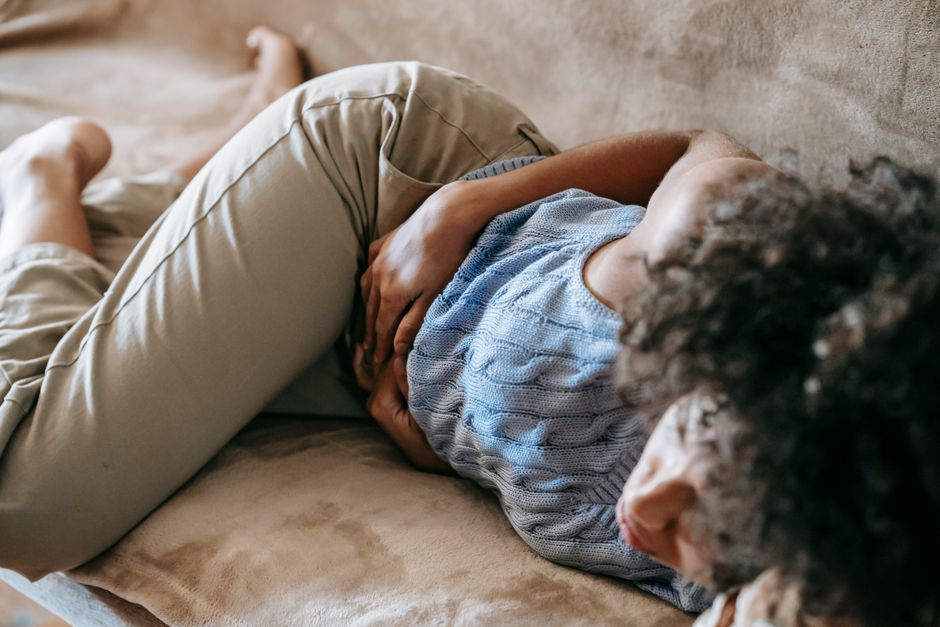
Mittelschmerz — the mid-cycle pain some people feel — is generally harmless. It happens when the follicle ruptures and releases the egg, and it can feel like a twinge, a cramp, or a dull ache on one side.
It is not a reliable fertility marker. The pain can occur before, during, or after the actual release, and many people who ovulate normally feel nothing at all. Its presence suggests something is happening in the cycle, but it does not confirm that an egg was released or that the timing is right for conception.
Pain that is severe, lasts more than a day or two, or comes with fever, vomiting, or heavy bleeding is not typical ovulation pain. Those symptoms need medical attention, because other conditions can cause similar pain.
How Does Ovulation Relate to Getting Pregnant?
Ovulation is required for natural conception. Without a released egg, sperm has nothing to fertilize. This is why ovulation problems are a common cause of difficulty conceiving.
For people trying to conceive, tracking ovulation can help focus effort on the fertile window. But it is worth being honest about the limits: timing intercourse well improves the odds per cycle, and it does not guarantee pregnancy. Even in healthy couples, conception in any single cycle is far from certain, and it often takes several months.
If pregnancy has not happened after a year of trying — or after six months if the woman is 35 or older — a medical evaluation is generally recommended. For people with known conditions affecting ovulation, or with irregular cycles, it may make sense to seek evaluation sooner.
One useful clarification: ovulation tracking is a tool for understanding your cycle, not a treatment. If ovulation is not happening regularly, no amount of tracking will change that. That is a situation where medical care can make a real difference.
Frequently Asked Questions
How many days after your period do you ovulate?
Ovulation usually happens about 14 days before the next period starts, not a fixed number of days after bleeding ends. In a 28-day cycle that is around day 14, but in a 35-day cycle it may be closer to day 21.
Can you get pregnant without noticing any ovulation symptoms?
Yes. Many people ovulate with no noticeable signs, and pregnancy is still possible. Symptoms are helpful clues but not required for ovulation or conception.
Does ovulation pain mean you are ovulating right then?
Not necessarily. Mittelschmerz can occur before, during, or after the egg is released, and its timing varies. It is not a precise indicator of the exact moment of ovulation.
How long does the fertile window last?
The fertile window is roughly five days before ovulation plus the day of ovulation, because sperm can survive several days while the egg lives only about 12 to 24 hours. Conception is most likely in the two to three days before ovulation.
