
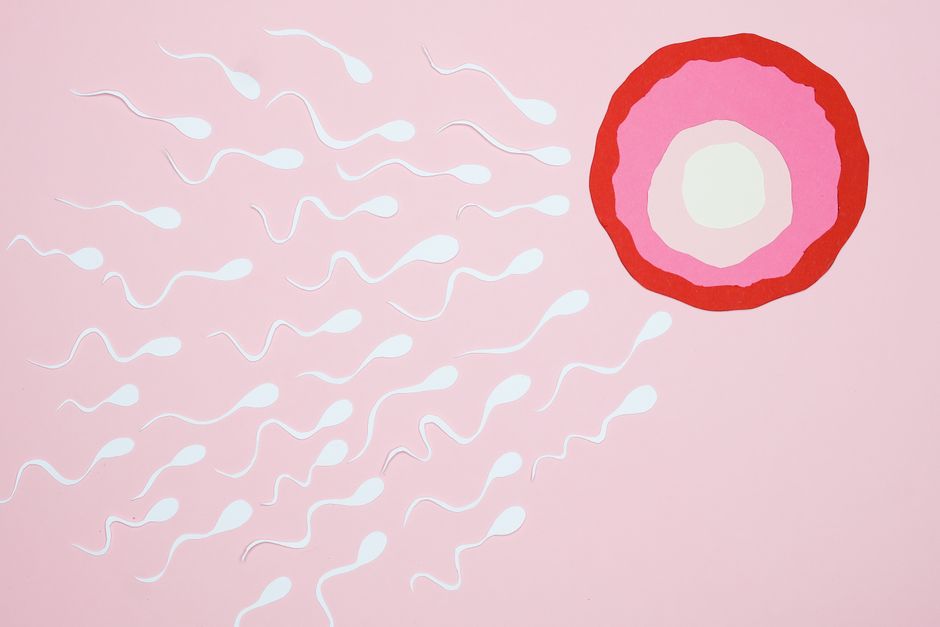
Ovulation bleeding is light spotting or a small amount of bleeding that happens around the middle of your menstrual cycle, near the time an egg is released from the ovary. It is usually normal and not a sign of a problem. Most people who experience it notice just a few drops of blood or a small streak of pink or brown discharge for a day or two. It is far less common than the bleeding that comes with a period, and most people who ovulate never notice it at all.
What Does Ovulation Bleeding Mean And Is It Normal?
Ovulation bleeding means you are seeing a small amount of blood at roughly the midpoint of your cycle, and in most cases it is a normal variation rather than a warning sign.
The key word is light. Ovulation spotting is typically a few drops, not a flow. It usually lasts a few hours to about two days. It does not fill a pad or tampon. If bleeding is heavy, lasts several days, or happens at other points in your cycle, that is a different situation and worth discussing with a clinician.
Ovulation itself is the release of a mature egg from one of the ovaries. In a typical 28-day cycle, this happens around day 14. Cycles vary widely between people, though, so “midpoint” can mean day 10 for someone with a short cycle or day 20 for someone with a longer one.
What Causes Bleeding Around Ovulation?
The most accepted explanation involves the hormonal shifts that trigger the release of the egg.
In the days just before ovulation, levels of estrogen rise sharply. This surge is part of what triggers the release of luteinizing hormone, the signal that causes the follicle to rupture and release the egg. When estrogen levels drop quickly after that surge, the lining of the uterus can shed a small amount of tissue and blood. This is sometimes described as a “breakthrough” bleed.
There is a second, more mechanical explanation. The follicle is a small fluid-filled sac on the ovary. When it ruptures to release the egg, a tiny amount of blood can escape. That blood travels through the fallopian tube and out through the vagina. Some researchers think this is the more common cause of true ovulation spotting.
Both explanations are plausible, and both may be involved. What is important to understand is that neither one points to disease. The bleeding is a side effect of a normal monthly event.
How Can You Tell Ovulation Bleeding From Other Bleeding?
Timing and appearance are your best clues. Ovulation bleeding lands near the middle of your cycle, roughly 10 to 16 days after the first day of your last period for many people. It is usually light pink or brown rather than bright red. It tends to be brief.
Other types of mid-cycle or irregular bleeding have different patterns. The table below compares some common situations. This is a general guide, not a diagnosis.
| Type | Typical Timing | Typical Appearance |
|---|---|---|
| Ovulation bleeding | Mid-cycle, near ovulation | Light pink or brown, a few drops |
| Menstrual period | Every 21 to 35 days | Red, heavier, lasts several days |
| Implantation bleeding | About 6 to 12 days after conception | Light, often pink or brown |
| Breakthrough bleeding on hormonal birth control | Any time, often early in use | Variable, can be light or moderate |
The overlap between ovulation bleeding and implantation bleeding is real and often confusing. Both can be light and both can fall in the second half of the cycle. Implantation bleeding happens after a fertilized egg attaches to the uterine lining. Its timing is tied to conception, not to ovulation itself, so it usually comes later in the cycle than ovulation spotting would.




When Should Bleeding Between Periods Concern You?
Bleeding between periods is common and usually harmless, but some patterns deserve a medical evaluation.
Contact a clinician if you notice any of the following:
- Bleeding that is heavy enough to need a pad or tampon
- Bleeding that lasts more than a couple of days
- Bleeding that happens often, cycle after cycle
- Bleeding after sex
- Bleeding alongside pelvic pain, fever, or unusual discharge
- Any bleeding after menopause
Bleeding after menopause is not normal and should always be checked. So should any bleeding that is new, persistent, or that you cannot explain by cycle timing.
Possible causes of abnormal bleeding between periods include hormonal imbalances, thyroid problems, uterine fibroids, polyps, infections, and in some cases precancerous or cancerous changes in the uterus or cervix. Most of these are treatable, and most episodes of irregular bleeding turn out not to be cancer. But the only way to know is to be evaluated.
One clarification worth making: a single episode of light mid-cycle spotting in someone with regular cycles is generally not a reason to worry. A pattern that repeats or worsens is.
Does Ovulation Bleeding Affect Fertility Or Pregnancy?
Ovulation bleeding by itself does not reduce your chances of getting pregnant.
In fact, because it happens around ovulation, it can sometimes be a useful signal that your fertile window is open. The fertile window is the roughly six-day period ending on the day of ovulation, since sperm can survive for several days in the reproductive tract while an egg survives for about 12 to 24 hours after release.
That said, ovulation bleeding is not a reliable way to track ovulation. Many people ovulate without any spotting, and many people who spot are not necessarily ovulating at that exact moment. If you are trying to conceive and want to track ovulation, methods such as basal body temperature tracking, ovulation predictor kits, or cervical mucus changes are generally more dependable.
If you are bleeding and also having trouble getting pregnant, that combination is worth bringing to a doctor. The bleeding itself is not the cause, but it may point to an underlying issue that also affects fertility.
How Is Ovulation Bleeding Treated?
Ovulation bleeding usually needs no treatment. If it is light and brief, there is nothing to fix.
If the spotting is bothersome or frequent, a clinician may look for an underlying cause first. That often means a pelvic exam, a pregnancy test if relevant, and sometimes blood tests to check hormone levels or thyroid function. An ultrasound may be used to look at the uterus and ovaries.
If no cause is found and the bleeding continues to be a nuisance, some clinicians recommend hormonal birth control. Combined hormonal methods can regulate the cycle and reduce breakthrough bleeding. This is a common approach, though it is used to manage the symptom rather than to treat a disease, and it is a decision to make with a clinician based on your situation.
There is no diet, supplement, or lifestyle change that has been proven to stop ovulation bleeding. Be cautious of any product that claims otherwise.
What Else Can Cause Mid-Cycle Spotting?
Ovulation is only one possible explanation for spotting between periods. Several other common situations can produce similar bleeding.
Starting, stopping, or switching hormonal birth control often causes irregular bleeding, especially in the first few months. This is expected and usually settles. Missing pills can also trigger spotting.
Stress, significant weight change, intense exercise, and thyroid problems can all disrupt the hormonal signals that control the cycle. So can perimenopause, the transition years before menopause, when cycles often become unpredictable.
Infections such as chlamydia, gonorrhea, and pelvic inflammatory disease can cause bleeding between periods, often with pain or discharge. These need treatment.
Structural issues in the uterus, including fibroids and polyps, can cause bleeding at any point in the cycle. These are common and usually benign, but they can cause heavier or irregular bleeding.
Because so many things can cause mid-cycle bleeding, the timing alone is not proof that ovulation is the cause. If you are unsure, tracking your cycle for a few months can help you and your clinician see the pattern.
Frequently Asked Questions
How long does ovulation bleeding usually last?
It typically lasts from a few hours up to about two days. Bleeding that continues for several days or gets heavier is not typical and should be checked.
Is ovulation bleeding a sign of pregnancy?
No, ovulation bleeding happens before an egg could implant, so it is not a sign of pregnancy. Light bleeding that occurs later in the cycle, about 6 to 12 days after conception, may be implantation bleeding instead.
Can ovulation bleeding happen every month?
It can, but it is not common to notice it every cycle. If you are bleeding between periods month after month, it is worth having a clinician evaluate the cause.
Does ovulation bleeding mean I am fertile?
It suggests you may be near ovulation, which is part of the fertile window. But it is not a reliable fertility tracker, since many people ovulate without any spotting.
