
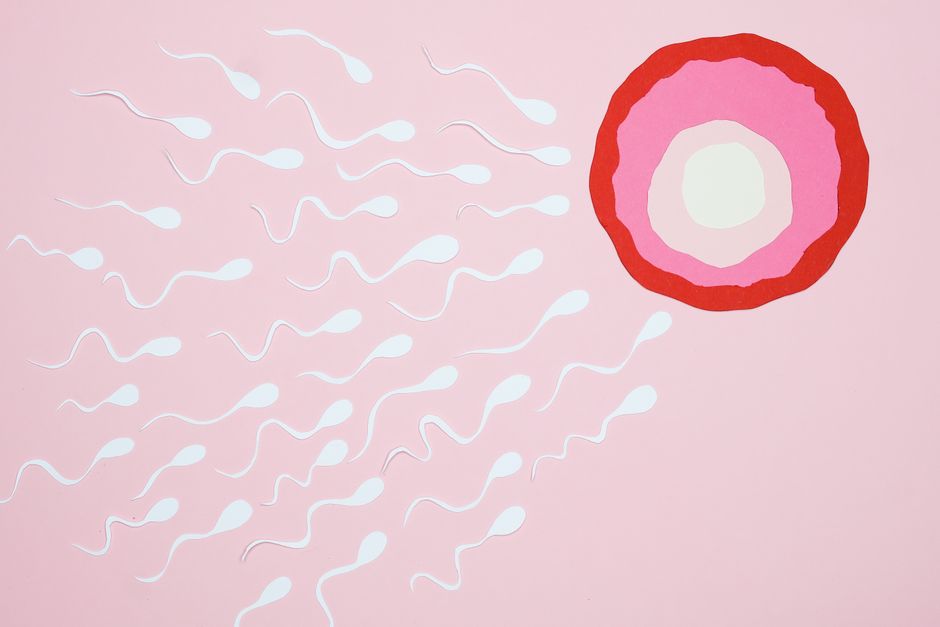
Ovulation can cause rectal pain, though it is not the most common symptom people notice. When an egg is released from the ovary, a small amount of fluid and blood can irritate the lining of the pelvic cavity. Because the rectum sits at the back of that cavity, some people feel that irritation as a deep ache or sharp twinge near the anus or tailbone. It is a real, recognized pattern — but it is also a symptom that deserves attention, because rectal pain has many other causes that have nothing to do with ovulation.
Can Ovulation Cause Rectal Pain?
Yes, it can. The medical term for ovulation pain is mittelschmerz, German for “middle pain,” because it typically occurs around day 14 of a 28-day cycle. Most people feel it on one side of the lower belly. A smaller number feel it deeper, toward the back or rectum.
The reason comes down to anatomy. The ovaries and rectum are close neighbors. They sit in the same lower pelvic space, separated by only a thin layer of tissue and the pouch of Douglas — a small pocket of the abdominal cavity that dips down between the rectum and the uterus. When an ovary releases an egg, a little fluid and sometimes a small amount of blood escapes into that space. That fluid can settle in the pouch of Douglas and press against or irritate the rectum.
This is why rectal pain from ovulation tends to be:
- One-sided, matching the ovary that released the egg
- Sharp and brief, or a dull ache lasting minutes to a few hours
- Timed to the middle of the cycle, roughly 14 days before the next period
- Sometimes worse with a bowel movement, sitting, or twisting the torso
Not everyone who ovulates feels anything at all. Many people ovulate every month without any pelvic sensation. Feeling pain does not mean something is wrong, and not feeling it does not mean ovulation failed.
Why Does Ovulation Pain Radiate to the Rectum?
The short answer is proximity and shared nerve supply.
When a mature follicle ruptures, it releases the egg along with follicular fluid. That fluid is not supposed to stay in the ovary — it spills into the pelvic cavity. Gravity pulls it downward, and the lowest point in that cavity is the pouch of Douglas, right behind the uterus and in front of the rectum. Fluid pooling there can create a sense of pressure or fullness deep in the pelvis.
The nerves add another layer. The lower pelvic organs share nerve pathways with the rectum and lower bowel. Pain signals from the ovary can be interpreted by the brain as coming from the rectum, a phenomenon called referred pain. This is the same reason a heart attack can cause jaw or arm pain — the brain cannot always tell exactly where a deep internal signal started.
In some people, the fluid itself is mildly irritating to the peritoneum, the thin membrane lining the abdominal cavity. That irritation can cause a low, cramping sensation that feels like it is coming from the rectum rather than the ovary.
How to Tell Ovulation Pain From Other Causes
Timing is the single most useful clue. Ovulation pain follows a predictable pattern — it shows up mid-cycle and resolves on its own within a day or two. Rectal pain from other causes usually does not keep that schedule.
Here is how common sources of rectal pain compare:
| Cause | Typical timing | Key features |
|---|---|---|
| Ovulation (mittelschmerz) | Mid-cycle, ~14 days before next period | One-sided, brief, no fever, no bleeding |
| Endometriosis | Any time, often worse with periods | Chronic, cyclical, can involve pain with bowel movements |
| Hemorrhoids or anal fissure | Any time | Pain with bowel movements, bleeding, itching |
| Pelvic inflammatory disease | Any time | Fever, discharge, pain that worsens over days |
| Ovarian cyst rupture or torsion | Sudden, any cycle day | Severe, one-sided, may cause nausea or fainting |
Ovulation pain is a diagnosis of pattern, not of a single test. There is no blood test or scan that confirms mittelschmerz specifically. Clinicians usually identify it by its timing and its tendency to resolve without treatment.





When Rectal Pain Is Not From Ovulation
Most rectal pain is not ovulation pain. That matters, because some causes need medical care.
Seek medical evaluation if the pain is severe, lasts more than a day or two, comes with fever, or is accompanied by unusual vaginal bleeding or discharge. Pain that wakes you at night or keeps getting worse over hours is not typical of ovulation.
Two conditions worth knowing about:
Endometriosis can cause deep rectal pain, especially around menstruation or during bowel movements. In endometriosis, tissue similar to the uterine lining grows outside the uterus, and it can implant on the rectum or the tissue behind it. This pain tends to be cyclical but more intense and longer-lasting than ovulation pain.
Ovarian torsion is a medical emergency. It happens when an ovary twists on its blood supply. The pain is sudden, severe, and usually one-sided, and it does not go away on its own. Nausea and vomiting are common. This requires immediate care.
If you are unsure whether your pain fits the ovulation pattern, tracking your cycle for two or three months can help you and your clinician see whether the timing lines up.
Does Ovulation Pain Mean Anything Is Wrong?
For most people, no. Ovulation pain is considered a normal variation, not a sign of disease. Some research suggests that people who feel ovulation pain may have a slightly more sensitive peritoneal response to fluid, but this is not a disorder.
There is one situation where ovulation pain carries more meaning. If the pain is consistently severe, lasts longer than a day, or is getting worse cycle after cycle, that pattern can point toward endometriosis or another pelvic condition rather than ordinary mittelschmerz. In that case, the pain is worth investigating rather than dismissing as “just ovulation.”
It is also worth noting that the absence of ovulation pain does not mean you did not ovulate. Plenty of people ovulate normally and feel nothing.
How Is Ovulation-Related Rectal Pain Managed?
For mild, predictable ovulation pain, most people do not need treatment. The discomfort passes on its own. If it is bothersome, general measures that reduce pelvic discomfort may help:
- A warm bath or heating pad on the lower belly or back
- Over-the-counter pain relievers, following label directions
- Gentle movement or stretching, which some people find eases pelvic tension
- Tracking your cycle so you can anticipate the timing
If ovulation pain is severe enough to disrupt your life every month, that is a conversation to have with a clinician. Hormonal birth control is sometimes used to prevent ovulation altogether, which stops the pain at its source. This is a decision to make with a healthcare provider, not on your own.
No clinical guidelines currently recommend treating routine ovulation pain with anything beyond general comfort measures and short-term pain relief. If someone is offering a supplement or device marketed specifically for ovulation pain, no large human trials have confirmed those products work.
Frequently Asked Questions
Can ovulation cause rectal pain?
Yes, ovulation can cause rectal pain when follicular fluid irritates the pouch of Douglas, the pocket behind the uterus and in front of the rectum. It is less common than one-sided lower belly pain but is a recognized pattern.
How long does ovulation rectal pain last?
Ovulation pain usually lasts from a few minutes to a few hours, and it typically resolves within a day. Pain that lasts longer than a day or two is not typical of ovulation and should be evaluated.
How do I know if rectal pain is from ovulation or something else?
Timing is the main clue — ovulation pain appears mid-cycle and goes away on its own. Pain with fever, bleeding, or that keeps getting worse is more likely from another cause and needs medical attention.
When should I worry about rectal pain during ovulation?
Worry if the pain is severe, lasts more than a day or two, comes with fever or unusual bleeding, or gets worse each cycle. Those features point away from ordinary ovulation pain and toward a condition that needs evaluation.
