
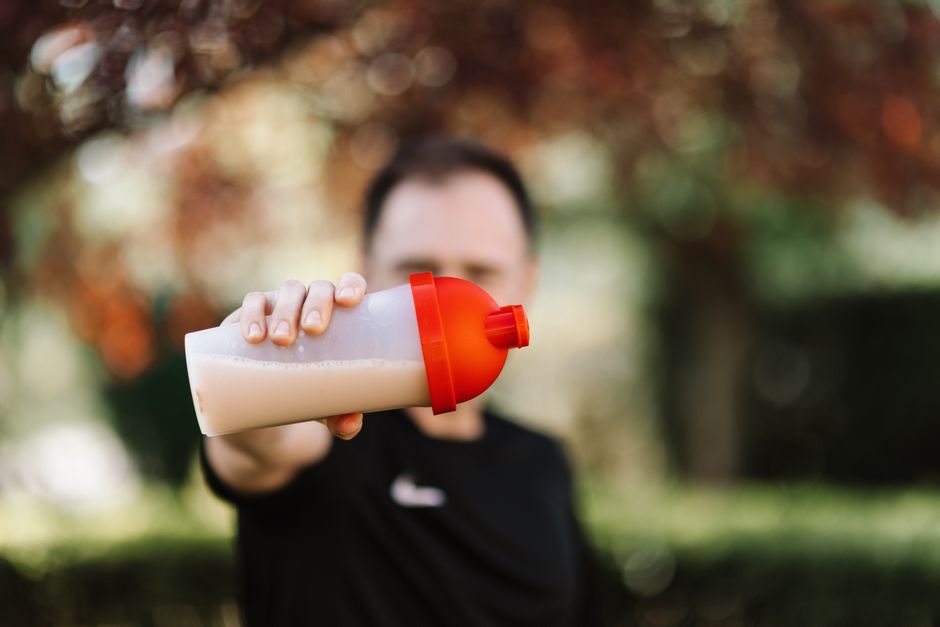
Whey protein starts as a liquid byproduct of cheese and yogurt production. When milk is processed, it separates into solid curds and liquid whey. That liquid whey then goes through filtering, concentrating, and drying steps to become the powder you stir into shakes. The entire process turns a watery leftover into a shelf-stable product that is roughly 80 to 90 percent protein by weight.
Where Does Whey Protein Come From?
Whey comes from cow’s milk. Milk contains about 80 percent casein protein and 20 percent whey protein. When cheese makers add enzymes or acid to milk, the casein clumps together into curds. The remaining liquid is whey.
For decades, whey was treated as waste. Cheese factories dumped it or fed it to pigs. Today, food manufacturers collect that liquid and process it into a valuable protein supplement.
There are two main types of whey liquid. Sweet whey comes from hard cheese production using rennet. Acid whey comes from soft cheeses like ricotta or Greek yogurt. Sweet whey is more common for protein powder because it has a milder flavor and better functional properties.
What Are the Steps From Milk to Whey Powder?
The transformation from liquid whey to powder involves several distinct stages. Each step affects the final protein concentration and quality.
Step 1: Milk reception and pasteurization. Fresh milk arrives at the processing plant and is tested for quality. It is pasteurized to kill harmful bacteria before cheese making begins.
Step 2: Cheese making and whey collection. Starter cultures and rennet are added to the pasteurized milk. The milk coagulates into curds and liquid whey. The whey is drained off and moved to a separate processing line.
Step 3: Clarification and separation. The raw whey still contains fat, casein fines, and bacteria. Centrifuges and filters remove these solids. The remaining liquid is mostly water, lactose, whey proteins, and minerals.
Step 4: Concentration through filtration. This is the most important step. Manufacturers use ultrafiltration membranes to separate protein from lactose, water, and minerals. The protein molecules are too large to pass through the membrane, so they stay behind while smaller molecules pass through. This step can be repeated to increase protein concentration.
Step 5: Evaporation. The concentrated liquid still contains a lot of water. Evaporators remove some of that water under vacuum and low heat. This reduces the volume before drying and saves energy.
Step 6: Spray drying. The concentrated liquid is pumped into a drying chamber and sprayed through nozzles as a fine mist. Hot air instantly evaporates the remaining water. What remains is a fine powder made of dried protein particles.
Step 7: Sifting and packaging. The powder is sifted to ensure consistent particle size. Some manufacturers add lecithin at this stage to improve mixing. The powder is then packed into bags or containers.
What Is the Difference Between Whey Concentrate and Isolate?
The filtration process determines what type of whey protein you get. The two most common forms are concentrate and isolate.
Whey protein concentrate undergoes less filtration. It typically contains 70 to 80 percent protein. The rest is lactose, fat, and moisture. Concentrate is cheaper to produce and retains more of the naturally occurring compounds found in whey.
Whey protein isolate goes through additional filtration steps, often including ion exchange or microfiltration. This removes more lactose and fat. Isolate typically contains 90 percent or more protein by weight. It is a better choice for people who are lactose intolerant because very little lactose remains.
There is also whey protein hydrolysate. It is treated with enzymes that break the protein into smaller fragments called peptides. This form is pre-digested, so it absorbs faster, but it is more expensive and often tastes bitter.





Does Processing Destroy the Protein Quality?
Heat and chemical treatments can damage proteins, but modern processing is designed to minimize this. The key concern is denaturation, which is when a protein’s structure unfolds.
Some denaturation happens during pasteurization and drying. This is not necessarily bad. Your stomach denatures proteins anyway during digestion. The issue is whether the processing damages the amino acids themselves or makes the protein harder to digest.
Research consistently shows that commercial whey protein powders retain a high biological value. The protein digestibility-corrected amino acid score, known as PDCAAS, for whey protein is among the highest of any food source. It scores at or near 1.0, the maximum possible value.
That said, quality varies between brands. Lower-quality products may use excessive heat during drying, which can cause Maillard reactions. These reactions bind protein to lactose and reduce the amount of usable protein. Higher-quality manufacturers control temperature carefully throughout the process.
What Else Is in Whey Protein Powder?
Pure whey powder is not 100 percent protein. The exact composition depends on the filtration method and the manufacturer.
Typical whey protein concentrate contains:
- 70 to 80 percent protein
- 5 to 10 percent lactose
- 3 to 7 percent fat
- 3 to 5 percent moisture
- Minerals such as calcium, potassium, and magnesium
Whey protein isolate contains less lactose and fat because the extra filtration removes them. It also tends to have slightly lower levels of some beneficial compounds that are lost during the additional processing.
Commercial protein powders often contain added ingredients. Flavorings, sweeteners, emulsifiers like soy lecithin, and anti-caking agents are common. Some products also have added enzymes to help digestion. These additives are not protein and are not part of the whey itself.
Is Whey Protein the Same as Milk Protein?
No. Whey protein and milk protein are related but different products.
Milk protein concentrate and milk protein isolate contain both casein and whey in roughly the same proportions found in milk. That is about 80 percent casein and 20 percent whey.
Whey protein is only the whey fraction. It contains no casein. This matters because the two proteins digest differently. Casein clots in the stomach and digests slowly over several hours. Whey protein stays liquid and digests quickly.
For muscle building, whey’s fast digestion is often preferred around workouts. For sustained amino acid delivery, such as overnight recovery, casein or milk protein is sometimes chosen instead. Neither is inherently better. They serve different purposes.
How Do You Choose a Quality Whey Protein Powder?
Look at the label before you buy. The protein content per serving tells you how concentrated the powder is. A good concentrate provides 20 to 25 grams of protein per 30-gram scoop. An isolate provides closer to 25 to 27 grams for the same scoop size.
Check the ingredient list. Fewer ingredients generally means less processing and fewer additives. If you are lactose sensitive, choose an isolate or a concentrate labeled as low lactose.
Third-party testing is worth checking. Some brands pay independent labs to verify that their products contain what the label claims. This testing checks for protein content, heavy metals, and banned substances. It does not guarantee the product works better, but it does protect against contamination and label fraud.
Price is not a reliable indicator of quality. Some expensive products are heavily marketed but contain the same whey as cheaper brands. Some cheap products cut corners with poor filtration or low protein content. Compare the protein per dollar rather than the price per container.
Is Whey Protein Safe for Most People?
Whey protein is safe for healthy adults when consumed as directed. It is a food product derived from milk, not a synthetic chemical.
People with a milk allergy should avoid whey protein entirely. The proteins in whey can trigger allergic reactions ranging from mild hives to severe anaphylaxis in sensitive individuals.
People with lactose intolerance can often tolerate whey protein isolate because the lactose content is very low. Concentrate may cause digestive discomfort because it retains more lactose.
People with kidney disease should talk to their doctor before using protein supplements. High protein intake can put additional strain on kidneys that are already compromised. This does not apply to people with healthy kidneys. Research does not show that normal protein supplement use damages healthy kidneys.
Pregnant and breastfeeding women should also consult their healthcare provider. No established guidelines specifically address whey protein supplementation during pregnancy, so it is reasonable to get protein from food sources instead unless a doctor recommends otherwise.
Frequently Asked Questions
Is whey protein made from real milk?
Yes, whey protein comes from cow’s milk as a byproduct of cheese making. The liquid whey is separated from the curds and then processed into powder.
What is the difference between whey concentrate and isolate?
Concentrate contains 70 to 80 percent protein with some lactose and fat remaining. Isolate undergoes more filtration and contains 90 percent or more protein with almost no lactose.
Can you make whey protein at home?
You can collect the liquid whey left over from making cheese or straining yogurt, but you cannot turn it into powder at home. The spray drying process requires industrial equipment.
Does whey protein powder expire?
Yes, whey protein powder has a shelf life of about 12 to 18 months when stored in a cool, dry place. It does not spoil like fresh milk, but the protein quality slowly declines over time.
