
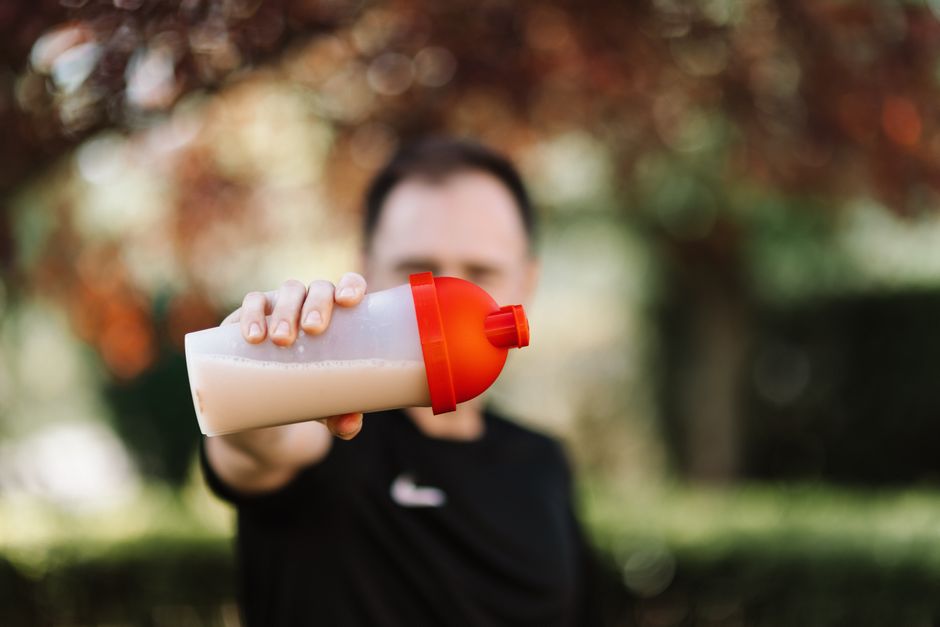
Whey protein powder is a concentrated source of protein, but it rarely tastes great mixed with water alone. The best things to mix it with are milk, water, or a smoothie base, depending on whether you prioritize taste, calorie control, or a thicker texture. For most people, mixing whey with water is the lowest-calorie option, while milk adds more protein, calcium, and a creamier mouthfeel. The right choice depends entirely on your specific dietary goals and how you tolerate dairy.
Is Water or Milk the Better Base for Whey Protein?
Water is the simplest and most calorie-conscious choice. A scoop of whey protein mixed with water delivers just the protein and whatever calories are in the powder itself. This is the standard choice for people who are strictly tracking their intake or trying to lose body fat.
Milk changes the nutritional profile significantly. An 8-ounce glass of skim milk adds roughly 80 calories and 8 grams of protein. Whole milk adds more calories and fat but provides a noticeably richer taste. The extra protein from milk can help with muscle recovery, but the added calories may not fit every goal.
There is also a texture difference. Water creates a thinner, more watery shake. Milk creates a thicker, creamier drink that more closely resembles a milkshake. If you struggle with the taste of whey in water, milk is the easiest fix.
One practical note: if you are lactose intolerant, mixing whey with milk can cause digestive discomfort. Many whey protein powders are low in lactose, but milk is not. In that case, water or a lactose-free milk alternative is the better option.
Can You Mix Whey Protein With Coffee or Tea?
Yes, mixing whey protein into coffee is common and generally safe. The heat of the coffee can cause the protein to clump or curdle slightly, so it is best to mix the powder with a small amount of cold water first to create a slurry, then add that to your coffee. This prevents most clumping.
This combination is popular among people who want a protein boost with their morning caffeine. The taste works well with chocolate or vanilla flavored whey. Plain or unflavored whey also blends into coffee without adding an artificial flavor profile.
Tea is less common but works the same way. The main concern is temperature. Very hot liquids can denature the protein, which changes its structure but does not reduce its nutritional value. The protein is still fully usable by your body after being heated.
What About Mixing Whey With Yogurt or Oatmeal?
Mixing whey protein powder into yogurt or oatmeal is a practical way to increase the protein content of a meal. For oatmeal, stir the powder in after cooking, once the oatmeal has cooled slightly. Adding it to boiling oatmeal can create lumps that are difficult to break apart.
Greek yogurt mixed with whey protein creates a very thick, high-protein snack. The texture becomes similar to a thick pudding or frosting. This works well for people who want a substantial snack rather than a drink.
One important consideration: adding whey to these foods increases the total protein of the meal significantly. A typical serving of Greek yogurt already contains 15-20 grams of protein. Adding a scoop of whey can push that to 40 grams or more in a single sitting. This is not harmful for most healthy people, but it is worth being aware of if you are tracking protein intake for a specific reason, such as kidney disease management. Anyone with kidney issues should discuss protein intake with their doctor before significantly increasing it.





What Should You Mix Whey Protein Powder With for a Smoothie?
A smoothie is the most versatile option. Whey protein blends well with frozen fruit, leafy greens, nut butters, and ice. The liquid base can be water, milk, or a plant-based milk alternative.
Frozen bananas are a common addition because they add natural sweetness and a thick, creamy texture. Berries are lower in sugar and add antioxidants. A handful of spinach adds fiber and micronutrients without significantly changing the taste.
If you use a blender, the order of ingredients matters. Add the liquid first, then the powder, then the fruit and ice. This prevents the powder from sticking to the bottom of the blender jar and ensures a smoother consistency.
One caution: smoothies can easily become calorie-dense. A smoothie with whey, fruit, nut butter, and milk can contain 500-700 calories. For someone trying to gain weight or build muscle, this is a benefit. For someone trying to lose weight, it can silently add a significant number of calories to the day.
Should You Mix Whey Protein With Juice or Other Sweet Drinks?
Juice is not the best choice for mixing whey protein. The acidity of most juices, especially citrus juices, can cause the protein to curdle. This creates an unpleasant texture and taste.
There is also a nutritional concern. Juice is high in natural sugars. A glass of orange juice contains roughly 20 grams of sugar. Mixing whey with juice creates a drink that is high in both protein and sugar, which may not align with your goals.
If you want a fruit-flavored protein shake, it is better to use water or milk and add fresh fruit. This gives you the flavor with the fiber of the fruit intact and avoids the concentrated sugar content of juice.
What Is the Best Mixer for Weight Loss vs. Muscle Gain?
The best mixer depends on your goal. This is where the choice matters most.
For weight loss, water is the clear winner. It adds zero calories and zero fat. The shake becomes a pure protein source that helps with satiety without adding extra energy. Some evidence suggests that protein increases feelings of fullness, which can help with calorie control throughout the day.
For muscle gain, milk is often the better choice. The additional calories and protein support a calorie surplus, which is necessary for building muscle mass. The extra protein also contributes to total daily protein intake, which is the primary dietary factor for muscle recovery and growth.
For general health and maintenance, either option works. The difference of 80-150 calories per shake is unlikely to matter for someone with a balanced diet and regular exercise routine.
Are There Any Foods You Should Never Mix With Whey Protein?
There are no foods that are dangerous to mix with whey protein. However, some combinations create poor textures or tastes that you will likely want to avoid.
Carbonated drinks are the main one to avoid. Mixing whey with soda or sparkling water creates excessive foaming. The carbonation reacts with the protein powder and can cause the drink to fizz over the top of the glass or bottle. It also creates an unpleasant, chalky texture.
Boiling hot liquids should also be avoided, not because they are dangerous, but because they cause the protein to clump badly. The protein denatures and coagulates, similar to how egg whites turn solid when cooked. This creates an unappetizing texture.
Highly acidic liquids like lemon juice or vinegar-based drinks can cause curdling. This is not harmful, but it is unappealing.
For the best results, stick to liquids that are cold or room temperature and have a neutral or slightly sweet flavor profile.
Frequently Asked Questions
Can I mix whey protein with just water?
Yes, water is the most common and lowest-calorie mixer for whey protein. It provides no additional calories or fat, making it the best choice for weight loss goals.
Is it better to mix whey protein with milk or water?
Milk makes the shake creamier and adds protein and calcium, but it also adds calories. Water keeps the shake lean and low-calorie, so the choice depends on whether you need extra calories or want to keep them minimal.
Can I put whey protein in hot coffee?
Yes, but mix the powder with a little cold water first to prevent clumping. The heat changes the protein structure but does not reduce its nutritional value.
Why does whey protein clump when I mix it?
Clumping happens when powder is added to liquid too quickly or when the liquid is too hot. Mixing with a blender or shaking it in a sealed bottle for a few extra seconds usually solves the problem.
