
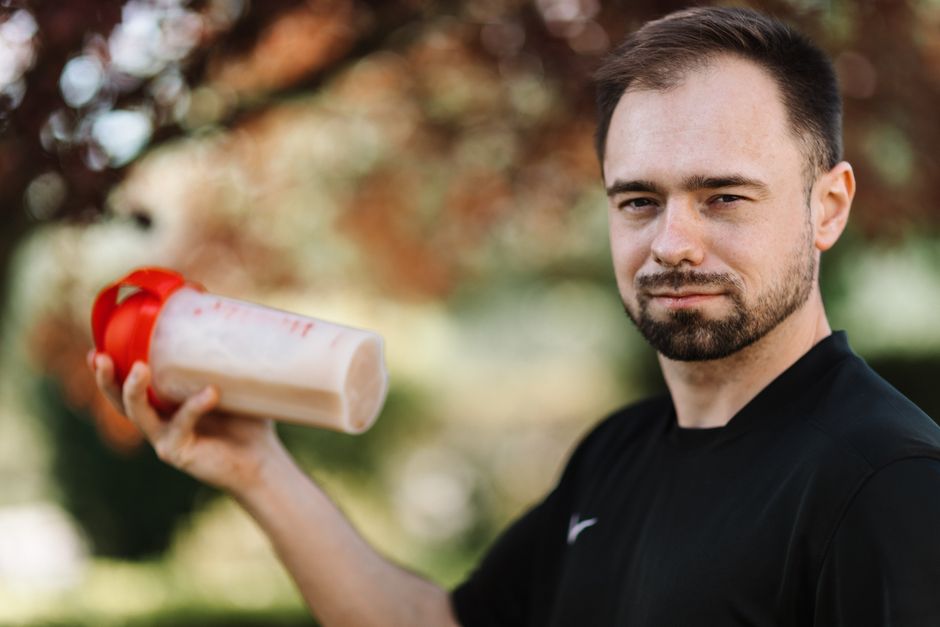
Yes, it is okay to mix creatine with protein powder. Combining them in the same shake is safe, convenient, and a common practice among people who train regularly. There is no evidence that mixing the two reduces the effectiveness of either supplement.
What Happens When You Mix Creatine and Protein Powder?
Creatine monohydrate is a powder that dissolves partially in liquid. Protein powder also mixes into liquid. When you combine them, you get a shake that contains both supplements. The creatine does not break down or become less effective because it is mixed with protein.
Some people worry that the acidity of a protein shake might damage creatine. Research does not support this concern. Studies have looked at creatine stability in various liquids, including acidic drinks. The creatine remains stable long enough for you to drink it.
The main practical issue is texture. Creatine does not fully dissolve. It settles at the bottom of the glass. This happens whether you mix it with water or with a protein shake. Stirring or shaking the mixture well helps, but some grit may remain. That is normal and harmless.
Does Mixing Them Reduce the Benefits?
No. The benefits of creatine come from it being absorbed into your muscles over time. Mixing it with protein does not block that process. Your body absorbs creatine whether you take it alone or with other nutrients.
Some research suggests that taking creatine with carbohydrates or protein may improve muscle uptake. The idea is that insulin helps transport creatine into muscle cells. A protein shake stimulates some insulin release. This may actually help creatine get into your muscles, though the effect is modest.
What matters most is consistency. Taking creatine every day builds up your muscle stores over several weeks. Whether you take it with protein or with water, the daily habit matters more than the exact timing or combination.
Is There Any Reason Not to Mix Them?
There are no known safety concerns with mixing creatine and protein powder. Both are widely studied supplements. Both have strong safety records when used as directed.
One reason some people separate them is digestive comfort. Large shakes can cause bloating or stomach upset in some people. If you are sensitive to protein shakes, adding creatine might make that worse. This is not a chemical problem. It is simply a matter of how much liquid and powder your stomach handles at once.
Another reason to separate them is timing preferences. Some people prefer protein after a workout and creatine at a different time of day. That is fine too. There is no requirement to take them together. It is a matter of personal preference, not a medical necessity.





How Much Creatine Should You Take?
The standard dose for creatine monohydrate is 3 to 5 grams per day. This is the dose used in most research studies. It maintains elevated muscle creatine levels over time.
Some people do a loading phase of 20 grams per day for the first week. This saturates muscles faster. It is not required. The daily 3 to 5 gram dose reaches the same level, just over a few more weeks. The loading phase can cause stomach upset in some people, so starting with the lower dose is often easier.
Protein powder dosing depends on the product. Most protein powders provide 20 to 30 grams of protein per scoop. Follow the serving size on the label. Your total daily protein needs depend on your body weight and activity level, but the scoop size on the container is a reasonable starting point.
What Is the Best Time to Take Them?
There is no single best time. Research on nutrient timing has produced mixed results. Some studies suggest that taking protein shortly after a workout helps muscle recovery. Other studies show that total daily protein intake matters more than timing.
Creatine timing is also flexible. Some research suggests that taking creatine around your workout may be slightly better than taking it at other times. The difference is small. The most consistent finding is that daily creatine intake works regardless of when you take it.
If you want to simplify your routine, mixing both into one post-workout shake is a practical choice. It saves time and ensures you do not forget either supplement. If you prefer to take them separately, that works just as well.
Can You Mix Creatine With Other Things?
Creatine mixes safely with water, juice, and most beverages. It also mixes with milk, though some people report that it dissolves less evenly in milk. The same goes for plant-based milks.
Mixing creatine with hot liquids is not recommended. High heat may degrade creatine. Let hot coffee or tea cool down before adding creatine if you prefer that method.
Creatine also mixes safely with other supplements. Pre-workout formulas, BCAAs, and electrolytes do not interfere with creatine. The same rule applies as with protein: no known negative interactions exist.
What Does the Research Say About Combining Them?
Research on combining creatine and protein has been conducted over several decades. Studies have examined whether taking them together improves muscle growth or strength more than taking either alone. The results are generally positive.
One well-known study compared creatine plus protein to creatine alone. The combination group gained more muscle mass over the study period. However, the difference was not dramatic. Both groups improved. The combination simply provided a small additional benefit.
Other research has examined whether protein interferes with creatine absorption. No study has found that it does. The two supplements work through different pathways in the body. They do not compete with each other.
The evidence supports combining them if that is convenient for you. The evidence does not suggest that combining them is necessary. Taking them separately produces the same overall results.
Are There Any Side Effects to Watch For?
Creatine is one of the most studied supplements in sports nutrition. Long-term studies have not found serious side effects in healthy people at standard doses. The most common complaint is water retention, which is expected and harmless.
Some people experience stomach cramping or diarrhea when taking creatine. This is more common with large doses. Splitting the dose or taking it with food can help.
Protein powder can cause digestive issues in people who are lactose intolerant or sensitive to certain sweeteners. If you notice bloating, gas, or stomach discomfort, check the protein source. Whey isolate contains less lactose than whey concentrate. Plant-based proteins are an option if dairy is the problem.
People with kidney disease should talk to a doctor before taking creatine. Healthy kidneys handle creatine without issue, but damaged kidneys may not filter it as efficiently. This is a precaution, not a warning against use in healthy people.
Do You Need Both Supplements?
Most people do not need supplements at all. Whole foods provide protein and creatine. Meat and fish are the best dietary sources of creatine. Eggs, dairy, and plant proteins provide amino acids.
Supplements are convenient. They are not required. If your diet already includes adequate protein, adding protein powder is optional. If you eat meat regularly, your body makes creatine from dietary amino acids, though supplementation still increases muscle creatine stores.
Vegans and vegetarians tend to have lower muscle creatine levels because they do not eat animal products. Creatine supplementation may benefit this group more than meat eaters. Some research supports this, showing greater gains in muscle mass and strength for vegetarians who supplement with creatine.
Should You Take Them Before or After a Workout?
Research on pre-workout versus post-workout timing is not conclusive. Some studies favor post-workout. Others show no meaningful difference. The body absorbs creatine slowly over hours, so the exact timing window is not critical.
Protein timing has a similar evidence base. Total daily protein intake consistently shows a stronger relationship with muscle growth than the timing of any single serving. Hitting your daily protein target matters more than when you hit it.
That said, a post-workout shake is a simple habit that works for many people. It pairs with the natural hunger that often follows training. It also provides a clear routine that is easy to maintain.
Frequently Asked Questions
Can I mix creatine and protein powder in the same shaker?
Yes. They mix safely together in the same shaker bottle. Stir or shake well, and drink it soon after mixing.
Does protein powder stop creatine from working?
No. Protein does not interfere with creatine absorption or effectiveness. Both work through separate pathways in the body.
Should I take creatine every day or only on workout days?
Take creatine every day. Daily intake maintains elevated muscle creatine levels, which is what produces the benefits.
Is it better to take creatine with water or with a protein shake?
Neither is better. Both deliver creatine effectively. The difference in results is negligible, so choose whichever is more convenient.
