
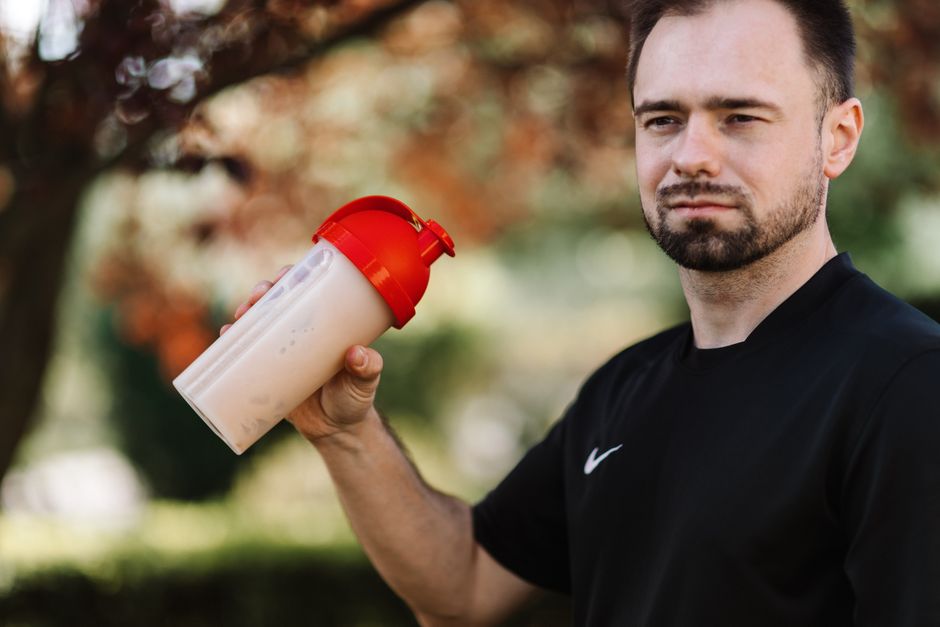
Protein powder is a concentrated source of protein made from plants or animals, commonly used to build muscle, recover from exercise, and help people meet their daily protein needs. For most healthy adults, it is a safe and effective way to supplement a diet, but it is not a magic bullet for weight loss or health. The main benefits are supporting muscle growth and repair, while the main risks involve digestive discomfort, added sugars, and relying on it instead of whole foods.
What Is Protein Powder Good For?
Protein powder serves a few clear, practical purposes. The most well-established use is supporting muscle protein synthesis — the process your body uses to repair and build muscle tissue after exercise. Studies consistently show that consuming protein after resistance training helps muscles recover and grow, and protein powder is a convenient way to get that protein without cooking a meal.
It is also useful for people who struggle to eat enough protein from food alone. Older adults, people with poor appetite, and those with certain medical conditions often need more protein than they can comfortably chew and swallow. A scoop of powder mixed into milk or water is an easy way to close that gap.
Some people use protein powder as a meal replacement for weight management. Protein is the most satiating macronutrient, meaning it helps you feel full longer than carbohydrates or fat. Replacing a meal with a protein shake can help some people reduce total calorie intake, but the evidence for long-term weight loss from shakes is mixed and depends heavily on the rest of the diet.
What Are the Main Health Benefits of Protein Powder?
The benefits of protein powder are essentially the benefits of adequate protein intake, delivered in a convenient form. For muscle mass, the evidence is strong. Research consistently shows that combining resistance training with adequate protein intake — roughly 1.6 to 2.2 grams per kilogram of body weight per day for active individuals — promotes greater muscle growth than training alone. Protein powder helps people reach those targets without excessive calories.
Recovery is another established benefit. After intense exercise, muscle fibers sustain micro-damage. Consuming protein within a few hours provides the amino acids needed for repair. While the exact “anabolic window” is narrower than once believed, getting protein around your workout is still a sensible practice.
For older adults, protein powder helps counteract age-related muscle loss, known as sarcopenia. Loss of muscle mass accelerates after age 50, and adequate protein intake combined with strength training is the most effective strategy to slow it. Some research suggests that distributing protein evenly across meals — rather than eating most of it at dinner — is more effective for muscle maintenance in older adults.
Protein powder can also support bone health. Dietary protein contributes to bone structure, and adequate intake is associated with higher bone density. This is particularly relevant for postmenopausal women at risk of osteoporosis, though protein alone does not prevent bone loss without adequate calcium and vitamin D.
What Are the Risks and Side Effects of Protein Powder?
Protein powder is not risk-free, and several concerns deserve attention. The most common side effects are digestive. Many powders contain lactose, which causes bloating, gas, and diarrhea in people with lactose intolerance. Others contain artificial sweeteners like sucralose or sugar alcohols that can irritate the digestive tract in sensitive individuals.
Kidney concerns are frequently raised but often overstated. For people with healthy kidneys, a high-protein diet is not harmful. However, people with chronic kidney disease must limit protein intake because their kidneys cannot efficiently clear nitrogen waste products from protein metabolism. If you have kidney disease, talk to your doctor before using protein powder.
Added ingredients are a real concern. Many commercial protein powders contain added sugars, artificial flavors, and thickeners that add calories and offer no nutritional benefit. A chocolate-flavored powder can contain as much sugar as a candy bar. Always read the label and choose products with minimal ingredients.
Contamination is a less common but serious risk. Independent testing has found trace amounts of heavy metals like lead and cadmium in some protein powders. The levels are generally below safety thresholds, but no regulatory body requires testing for these contaminants. Choosing brands that voluntarily submit to third-party testing, such as NSF Certified for Sport, reduces this risk.




Whey, Casein, or Plant-Based: Which Protein Powder Is Best?
The best protein powder depends on your dietary preferences and digestive tolerance. Whey and casein are both derived from milk and are complete proteins, meaning they contain all nine essential amino acids your body cannot make on its own.
Whey digests quickly, making it ideal for post-workout recovery. Casein digests slowly, providing a steady release of amino acids over several hours, which is why some people take it before bed. Both are effective for muscle building when total daily protein intake is adequate.
Plant-based powders — typically made from pea, rice, hemp, or soy — are good alternatives for vegans and people with dairy allergies. Pea protein is the most studied plant option and is a complete protein. Rice protein is also complete but has a less favorable amino acid profile than whey. Many plant-based blends combine pea and rice to improve the amino acid profile. Soy protein is complete and well-studied, though some people avoid it due to concerns about phytoestrogens, which current evidence does not support as harmful at normal dietary amounts.
There is no evidence that any single type of protein powder is superior for general health. Whey is often cited for its slightly higher leucine content — the amino acid most responsible for triggering muscle protein synthesis — but plant-based proteins can be equally effective when consumed in slightly higher doses.
Does Protein Powder Help You Lose Weight?
Protein powder can support weight loss, but it is not a fat burner. The mechanism is straightforward: protein increases satiety, so you feel fuller and eat fewer calories overall. It also has a higher thermic effect than carbohydrates or fat, meaning your body burns more calories digesting it, though this effect is modest.
Replacing one meal per day with a protein shake can help some people create a calorie deficit. Some studies show that meal replacement shakes lead to greater short-term weight loss than traditional reduced-calorie diets, mainly because they simplify portion control. However, the long-term evidence is less impressive. Once people stop using shakes and return to regular food, weight regain is common.
Using protein powder as a snack or post-workout supplement does not automatically cause weight loss. If you add a shake to your existing diet without reducing calories elsewhere, you will gain weight. Protein powder is a tool, not a solution.
How Much Protein Powder Should You Take Per Day?
There is no single dose that fits everyone. The Recommended Dietary Allowance for protein is 0.8 grams per kilogram of body weight per day for sedentary adults. For active individuals, research suggests 1.6 to 2.2 grams per kilogram is more appropriate. For older adults, some experts recommend up to 1.2 grams per kilogram to counteract age-related muscle loss.
A standard scoop of most protein powders contains 20 to 30 grams of protein. For most people, one to two scoops per day is sufficient to meet their needs. Consuming more than 2 grams per kilogram of body weight per day offers no additional muscle-building benefit and simply adds extra calories.
Timing matters less than total daily intake. Research shows that the total amount of protein you eat over the course of a day is more important than exactly when you consume it. That said, having 20 to 40 grams of protein within a few hours after resistance training is a reasonable practice.
Who Should Not Use Protein Powder?
People with chronic kidney disease should not use protein powder without medical supervision. Pregnant and breastfeeding women generally do not need protein supplements — their protein needs are slightly higher, but they are usually met through diet alone. No clinical guidelines currently exist for protein powder use during pregnancy, so it is best to consult your obstetrician.
Children do not need protein supplements. Their protein needs are met through a balanced diet, and protein powder can displace more nutrient-dense foods. If a pediatrician recommends a supplement for a specific medical reason, follow their guidance rather than general advice.
People with phenylketonuria, a rare genetic disorder, must avoid protein powders containing phenylalanine, which includes most whey and plant-based proteins. This condition is typically diagnosed at birth, and affected individuals follow a strict low-phenylalanine diet.
Frequently Asked Questions
Can protein powder damage your kidneys?
No, not in healthy people. High protein intake is safe for normal kidneys, but people with chronic kidney disease must limit protein and should consult a doctor first.
Is it better to get protein from food or powder?
Whole foods are better because they provide additional nutrients like iron, zinc, and B vitamins. Protein powder is a convenient supplement, not a replacement for a varied diet.
Does protein powder make you gain weight?
Only if you consume more calories than you burn. Protein powder itself does not cause weight gain, but adding shakes to an already adequate diet will increase total calorie intake.
Can you drink protein powder every day?
Yes, daily use is safe for most healthy adults. Just watch for digestive discomfort and choose a product without added sugars or excessive additives.
