
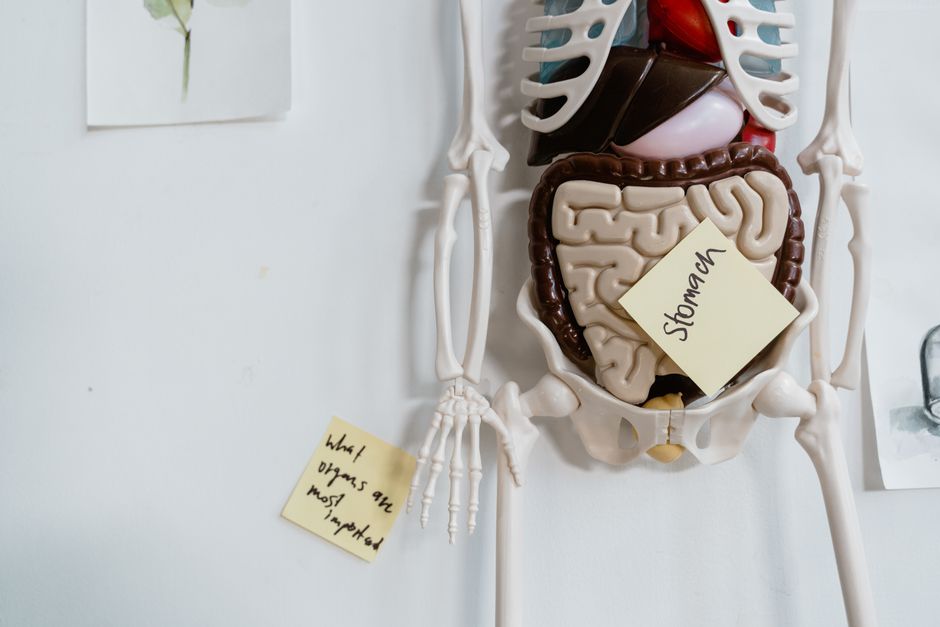
The respiratory and digestive systems are separate, but they work together in a few critical ways. The most obvious is anatomical: they share the throat. The pharynx is a passageway for both air and food. When you swallow, a flap called the epiglottis closes over the windpipe to keep food out of the lungs. But the connection goes deeper. The diaphragm, the main muscle for breathing, also helps push food through the digestive tract. And the exchange of oxygen and carbon dioxide in the lungs directly affects how the stomach and intestines function. These systems are not isolated. They depend on each other for normal daily function.
What is the shared pathway between air and food?
Air and food both enter through the mouth or nose and pass through the pharynx. This is the muscular tube at the back of the throat. Below the pharynx, the path splits. The larynx, or voice box, opens into the trachea, which leads to the lungs. The esophagus sits behind the trachea and leads to the stomach.
The critical safety device here is the epiglottis. It is a flap of cartilage that folds down over the larynx when you swallow. This action is reflexive. It happens in a fraction of a second. When it works correctly, food and liquid slide past the closed airway and into the esophagus. When it fails, material enters the trachea. This is aspiration. It can cause coughing, choking, or pneumonia if food or liquid reaches the lungs.
This shared anatomy is why eating and talking at the same time can be dangerous. Talking requires the vocal cords to open and close. Swallowing requires the airway to close completely. Doing both at once increases the chance of food going down the wrong pipe.
How does the diaphragm assist digestion?
The diaphragm is a dome-shaped muscle at the base of the chest cavity. It is the primary muscle for breathing. When you inhale, the diaphragm flattens and moves downward. This creates space for the lungs to expand. When you exhale, it relaxes and moves back up.
That downward movement does more than pull air in. It also presses gently on the abdominal organs. This pressure helps move food along the digestive tract. The effect is subtle but real. Each breath provides a small massage to the stomach and intestines. This rhythmic pressure supports peristalsis, the wave-like muscle contractions that push food forward.
Deep breathing amplifies this effect. Slow, full breaths increase the range of diaphragm movement. This is one reason relaxation techniques are sometimes recommended for digestive discomfort. The mechanical stimulation of the organs is gentle but measurable.
How does oxygen affect digestion?
Digestion is an energy-intensive process. The stomach, intestines, liver, and pancreas all require oxygen to function. The blood delivers this oxygen. Red blood cells pick up oxygen in the lungs and carry it through the circulatory system to every organ.
When oxygen levels in the blood drop, digestion slows. The body prioritizes oxygen delivery to the brain and heart over the digestive tract. This is a survival mechanism. During intense exercise, for example, blood flow shifts away from the stomach and toward working muscles. This is why eating a large meal right before a workout can cause cramps or nausea.
Carbon dioxide removal matters too. The digestive tract produces carbon dioxide as a byproduct of metabolism. The blood carries this gas to the lungs, where it is exhaled. If the lungs cannot clear carbon dioxide efficiently, blood pH shifts. Even a small change in blood acidity can slow digestive enzyme activity.




What happens when one system fails?
When the respiratory system is compromised, the digestive system feels it quickly. In chronic obstructive pulmonary disease, or COPD, the lungs struggle to exchange oxygen and carbon dioxide. Patients often experience poor appetite and weight loss. This is partly because breathing itself becomes exhausting. But it is also because low oxygen levels reduce digestive function and blood flow to the gut.
When the digestive system is compromised, the respiratory system is affected too. Severe acid reflux, or gastroesophageal reflux disease, can cause stomach acid to travel up the esophagus and into the throat. This can trigger coughing, wheezing, and asthma-like symptoms. In some cases, reflux is a hidden trigger for asthma attacks.
Another example is bloating. Severe abdominal distension pushes upward against the diaphragm. This limits how far the diaphragm can descend during inhalation. The result is shallow breathing and a sensation of breathlessness. This is common in conditions like irritable bowel syndrome or after a very large meal.
The respiratory system work with the digestive system during swallowing
Swallowing is the clearest example of coordination between the two systems. It involves more than 30 muscles and several cranial nerves. The process has three phases: oral, pharyngeal, and esophageal.
In the oral phase, the tongue pushes food to the back of the mouth. In the pharyngeal phase, the food enters the throat. This is the dangerous moment. The airway must close completely. The epiglottis flips down, the vocal cords close, and breathing briefly stops. This pause lasts less than a second. Then the esophageal phase begins, and food moves down toward the stomach.
This coordination is automatic. You do not think about closing your airway when you swallow. But it can break down with age, neurological disease, or injury. Dysphagia, or difficulty swallowing, is a serious condition. It increases the risk of aspiration pneumonia, a lung infection caused by food or liquid entering the airways.
How does breathing affect the esophageal sphincter?
The lower esophageal sphincter is a ring of muscle at the junction of the esophagus and stomach. It normally stays closed to prevent stomach acid from flowing upward. It opens briefly to allow food to pass into the stomach.
Breathing patterns influence this sphincter. During inhalation, the diaphragm moves down and increases pressure in the abdominal cavity. This pressure pushes against the stomach. In most people, the sphincter holds strong enough to resist this pressure. But in people with a weak sphincter, the added pressure can force acid upward. This is why some people experience reflux during deep breathing exercises or when straining.
Conversely, rapid, shallow breathing can reduce pressure on the stomach. This may reduce reflux symptoms in the short term. But it is not a treatment. Breathing exercises are sometimes used as part of reflux management, but the evidence for their effectiveness is mixed.
Can breathing exercises improve digestion?
There is some evidence that slow, deep breathing can help with certain digestive conditions. One well-studied example is functional dyspepsia, a condition of upper abdominal pain or fullness with no clear cause. Some studies have found that diaphragmatic breathing reduces symptoms in people with this condition. The mechanism is likely related to improved gastric accommodation, which is the stomach’s ability to relax and expand as food enters.
Breathing exercises are also commonly recommended for constipation and irritable bowel syndrome. The theory is that deep breathing reduces stress and stimulates the parasympathetic nervous system. This is the branch of the nervous system that controls rest-and-digest functions. When the parasympathetic system is active, the gut moves more regularly.
However, the evidence here is not strong. No large clinical trials have confirmed that breathing exercises cure or reliably treat digestive disorders. Some clinicians recommend them as a supportive measure. That is a reasonable approach. But they should not replace standard medical treatment for conditions like acid reflux, inflammatory bowel disease, or gastrointestinal infections.
What are the warning signs of a coordination problem?
Certain symptoms suggest the respiratory and digestive systems are not working well together. These deserve medical attention.
- Frequent choking or coughing while eating or drinking
- A sensation of food getting stuck in the throat
- Chronic cough that worsens after meals
- Recurrent pneumonia, especially in older adults
- Wheezing or asthma symptoms that appear only after eating
- Severe bloating that makes it hard to take a full breath
These symptoms can indicate conditions like dysphagia, reflux, or hiatal hernia. A doctor can evaluate them with tests such as a swallowing study, endoscopy, or esophageal manometry. Early evaluation matters because aspiration pneumonia is a serious and potentially life-threatening complication.
Frequently Asked Questions
Can breathing problems cause digestive issues?
Yes, low oxygen levels from lung disease can slow digestion and reduce appetite. Chronic lung conditions like COPD often lead to weight loss and poor nutritional status.
Can digestive problems cause breathing issues?
Yes, severe bloating can push upward on the diaphragm and make breathing feel shallow. Acid reflux can also irritate the airways and trigger coughing or wheezing.
Why do I choke when I eat and breathe at the same time?
Because air and food share the pharynx, the airway must close during swallowing. Trying to talk while swallowing increases the chance that food enters the windpipe.
Is it safe to exercise after eating?
Light activity is usually fine, but intense exercise diverts blood away from the stomach to the muscles. This can cause cramps, nausea, or reflux. Waiting one to two hours after a large meal before vigorous exercise is generally recommended.
