
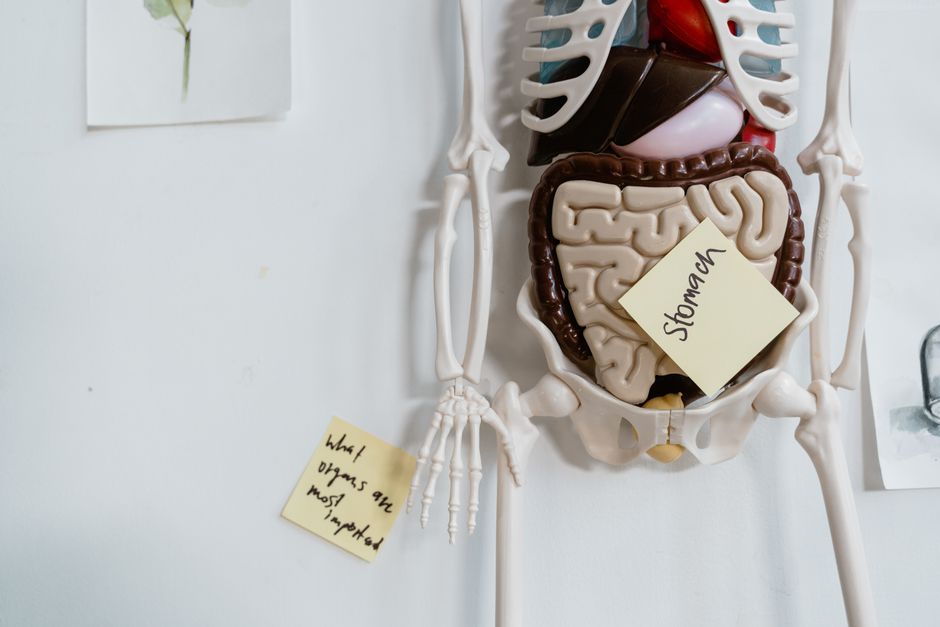
Your digestive system and circulatory system are constant partners. The digestive system breaks down the food you eat into smaller parts. The circulatory system then carries those parts to every cell in your body. Without the bloodstream, the nutrients from your meal would never leave your intestines. Without digestion, your blood would have nothing to deliver. They are two separate systems with one shared goal: keeping your cells fed and functioning.
What Is the Main Connection Between Digestion and Circulation?
The connection happens in your small intestine. This is where almost all nutrient absorption takes place. The inner lining of the small intestine is covered in tiny finger-like projections called villi. Each villus is packed with microscopic blood vessels called capillaries.
After food is broken down into molecules, those molecules pass through the intestinal wall and enter these capillaries. Once inside the bloodstream, they travel to the liver first. The liver processes them before they reach the rest of your body. This pathway is called the hepatic portal system.
How Do Nutrients Move From the Intestine Into the Blood?
Different nutrients take different routes. Water-soluble nutrients like carbohydrates, amino acids, and water-soluble vitamins enter the capillaries directly. They are carried in the blood plasma to the liver.
Fats and fat-soluble vitamins take a different path. They do not dissolve in water, so they cannot enter the bloodstream directly. Instead, they are packaged into particles called chylomicrons. These particles enter the lymphatic system first. The lymphatic system eventually drains into a large vein near the heart. From there, the fats enter general circulation.
This explains why dietary fat is absorbed more slowly than carbohydrates. It also explains why fat-soluble vitamins like A, D, E, and K have a different absorption timeline.
What Role Does the Liver Play in This Partnership?
The liver is the central processing hub. Blood leaving the small intestine goes straight to the liver through the portal vein. The liver sorts through everything that was absorbed.
Some nutrients are stored. Glucose is converted into glycogen and held for later use. Iron is stored in a bound form. Vitamins A, D, and B12 are also stockpiled in the liver.
Other substances are detoxified. Alcohol, medications, and metabolic waste products are processed here. The liver also converts some nutrients into forms the body can actually use. For example, it activates vitamin D and produces clotting factors that depend on vitamin K.
After processing, the liver releases what the body needs into general circulation. The heart then pumps this enriched blood to tissues throughout the body.
-
 How Do the Digestive and Circulatory Systems Interact?
 -
How Does the Digestive System Work with the Cardiovascular System?
-
How Does the Respiratory System Work with the Digestive System?
-
What the Large Intestine Does in the Digestive System?
-
Finessa Reviews & Complaints 2026: Helps In Gut & Digestion?





How Does Blood Flow Support the Digestive Organs Themselves?
The digestive organs need their own blood supply to function. The stomach, intestines, liver, and pancreas all receive oxygen-rich blood from branches of the abdominal aorta. This blood delivers the oxygen these organs need to produce digestive enzymes, acid, and mucus.
Blood flow to the digestive tract is not constant. After you eat, blood flow increases significantly. This is sometimes called postprandial hyperemia. The body redirects blood toward the digestive organs to support their workload. This is why heavy exercise immediately after a large meal can feel uncomfortable. The muscles and the digestive system are competing for blood supply.
How Does the Circulatory System Regulate Digestion?
Your blood carries more than just nutrients. It also carries hormones that control the digestive process. When food enters the stomach, the stomach wall releases the hormone gastrin into the blood. Gastrin travels through the bloodstream and signals the stomach to produce more acid.
Other hormones work similarly. Cholecystokinin is released when fat enters the small intestine. It travels through the blood to the gallbladder, telling it to release bile. Secretin signals the pancreas to release bicarbonate, which neutralizes stomach acid in the small intestine.
These hormones travel through the circulation to reach their targets. Without the bloodstream, the digestive organs would have no way to communicate with each other over distance.
What Happens When This Partnership Breaks Down?
Several common conditions involve a breakdown in the digestive-circulatory connection.
Malabsorption disorders interfere with nutrient transfer. In celiac disease, the immune system damages the villi in the small intestine. Fewer villi means less surface area for nutrients to cross into the blood. Even a healthy diet cannot deliver nutrients if the intestinal lining cannot absorb them.
Circulatory problems can also starve the digestive organs. Reduced blood flow to the intestines can occur in conditions like heart failure or severe atherosclerosis. Without adequate blood supply, the intestinal tissue can become damaged. This is a serious condition called intestinal ischemia.
Liver disease disrupts the processing step. If the liver cannot handle the blood coming from the intestines, toxins can pass into general circulation. This can lead to a condition called hepatic encephalopathy, where waste products affect brain function.
How Does the Digestive System and Circulatory Work Together to Remove Waste?
The partnership also handles waste removal. Cells produce carbon dioxide and other byproducts as they use nutrients. The blood picks up these waste products and carries them away.
Carbon dioxide is transported to the lungs and exhaled. Other waste products are filtered by the kidneys and removed in urine. The liver also packages some waste products into bile, which is secreted into the intestine and eliminated in stool.
This is a continuous cycle. Nutrients enter the blood, cells extract what they need, and waste products are carried away. The digestive system supplies the raw materials. The circulatory system manages the logistics.
Does What You Eat Affect This Relationship?
Yes. Diet directly influences how smoothly this partnership operates.
Fiber is a good example. Soluble fiber slows digestion and helps regulate how quickly glucose enters the bloodstream. This prevents sharp spikes in blood sugar. Insoluble fiber adds bulk to stool and supports regular elimination.
Water is equally important. Blood plasma is mostly water. If you are dehydrated, blood volume drops. This makes it harder for the circulatory system to deliver nutrients and remove waste. Chronic dehydration can impair digestive function.
Highly processed foods are absorbed very quickly. This can cause rapid rises in blood sugar followed by crashes. The liver and pancreas have to work harder to manage the influx. Whole foods, by contrast, are digested more slowly and deliver nutrients into the blood at a steadier pace.
How Can You Support Both Systems?
Supporting both systems starts with basic habits.
Eat a varied diet that includes fiber, protein, healthy fats, and a range of vitamins and minerals. Stay hydrated throughout the day. Regular physical activity improves circulation and supports healthy blood pressure.
Manage stress. Chronic stress can alter digestive function and raise blood pressure. Both effects strain the digestive-circulatory partnership.
Limit alcohol. Heavy alcohol use damages the liver over time. Since the liver is the main processing station between the intestines and general circulation, protecting it matters.
If you have symptoms like chronic bloating, fatigue, or digestive discomfort, talk to a healthcare provider. These can sometimes point to underlying absorption or circulation issues that benefit from proper evaluation.
Frequently Asked Questions
Where does nutrient absorption into the blood actually happen?
Almost all nutrient absorption happens in the small intestine. The inner lining contains villi that are packed with blood capillaries that take up absorbed nutrients.
Why do fats enter the blood differently than carbohydrates?
Fats do not dissolve in water, so they cannot enter the bloodstream directly. They are packaged into particles that travel through the lymphatic system before entering the blood near the heart.
What is the hepatic portal system?
It is the blood pathway that carries nutrient-rich blood from the intestines directly to the liver. The liver processes these nutrients before they reach the rest of the body.
Can poor circulation affect digestion?
Yes. Reduced blood flow to the digestive organs can impair their function. Conditions that limit blood flow, like heart failure or severe atherosclerosis, can damage intestinal tissue.
