
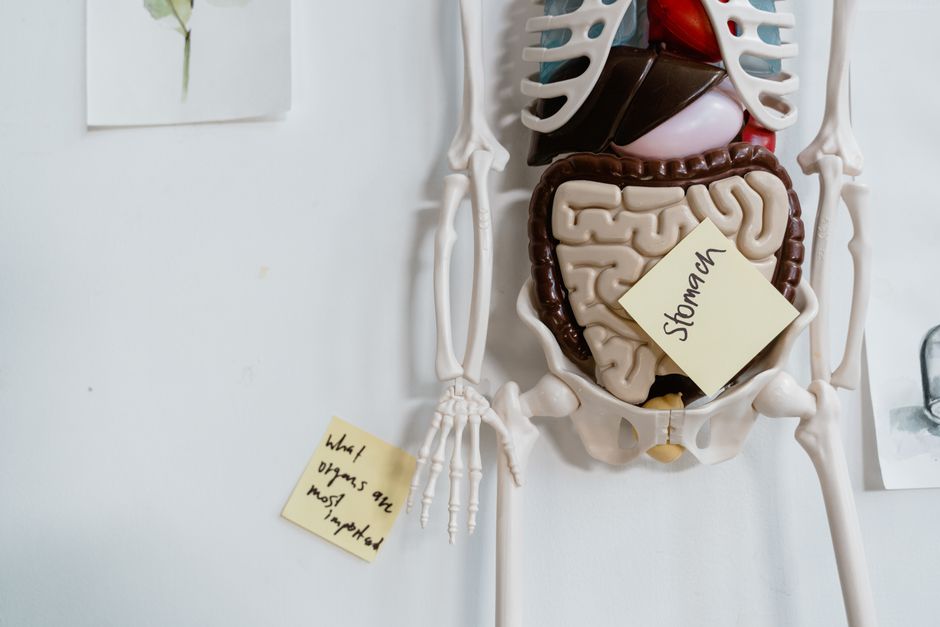
The digestive system and the cardiovascular system are partners. One breaks down the food you eat into nutrients, and the other delivers those nutrients to every cell in your body. Without the heart pumping and blood vessels transporting, the food you eat would just sit in your stomach and intestines, providing no benefit at all. The two systems are physically connected and constantly communicating to keep you alive and fueled.
How Do the Digestive and Circulatory Systems Connect?
The connection happens in your small intestine. This is where most nutrient absorption takes place. After food is broken down by your stomach, it moves into the small intestine as a liquid mixture. The walls of the small intestine are lined with millions of tiny finger-like projections called villi.
Each villus contains a network of microscopic blood vessels called capillaries. Nutrients pass through the walls of the villi and enter these capillaries. From there, the blood travels to the liver, where it is filtered and processed. The liver then releases the nutrients into general circulation, and the heart pumps this nutrient-rich blood throughout the body.
This is not a slow process. Within minutes of eating a meal, your blood sugar begins to rise because carbohydrates are already being absorbed and carried away by the bloodstream.
What Role Does Blood Flow Play in Digestion?
Digestion itself requires a steady supply of blood. Your stomach and intestines need oxygen and energy to churn, mix, and break down food. They also need blood to carry away the absorbed nutrients. When you eat, your body redirects extra blood flow to the digestive organs. This is called the postprandial response, meaning “after a meal.”
This is why you may feel sleepy or sluggish after a large meal. More blood is going to your gut and less is available for your muscles and brain. It is also why vigorous exercise right after eating can cause stomach cramps. Your muscles and your digestive tract are competing for the same blood supply.
Blood flow to the digestive system is carefully controlled by the autonomic nervous system. After a meal, hormones signal the blood vessels in the gut to widen, increasing blood flow. This ensures that absorption happens efficiently.
How Does the Digestive System Work with the Cardiovascular System to Deliver Nutrients?
The small intestine absorbs most nutrients directly into the bloodstream. Water-soluble nutrients like vitamin C and the B vitamins enter the blood capillaries in the villi. These travel quickly to the liver and then to the rest of the body.
Fats are handled differently. Fatty acids and fat-soluble vitamins (A, D, E, and K) cannot dissolve in blood. Instead, they are packaged into small droplets called chylomicrons. These enter the lymphatic system, which is a separate network of vessels. The lymphatic system eventually drains into a large vein near the heart. From there, the fats enter the bloodstream and are carried to the liver and other tissues.
So the cardiovascular system does not just move water-soluble nutrients. It also works with the lymphatic system to ensure that dietary fats reach your cells. Both pathways end in the same place: the bloodstream.
Once nutrients are in the blood, the heart pumps them to the liver first. The liver is the body’s chemical processing plant. It removes toxins, stores some nutrients, and releases others into circulation. From the liver, blood travels to the heart, which pumps it to every organ and tissue in the body.
-
 How Does the Digestive System and Circulatory Work Together?
 -
How Does the Respiratory System Work with the Digestive System?
-
What Are the Major Functions of Digestive System? A Closer Look
-
What Are the Three Main Function of the Digestive System?
-
Finessa Reviews & Complaints 2026: Helps In Gut & Digestion?





How Does the Liver Fit Into This System?
The liver sits at the center of the digestive-cardiovascular connection. Blood from the intestines does not go straight to the heart. It first travels through the portal vein to the liver. This is called the hepatic portal system.
The liver filters this blood. It removes bacteria and toxins that may have entered through the gut. It also processes the nutrients. Glucose can be stored as glycogen for later use. Amino acids are used to build proteins. Fats are packaged for transport.
Without this filtering step, harmful substances from your food could reach your heart and brain directly. The portal system is a protective design. It ensures that everything absorbed from your gut is screened before entering general circulation.
Liver disease can disrupt this system. If the liver cannot filter blood properly, toxins can build up in the bloodstream. This can affect brain function, a condition called hepatic encephalopathy. It is a serious complication of advanced liver disease.
What Happens When the Cardiovascular System Fails to Support Digestion?
When the heart cannot pump effectively, digestion suffers. This is seen in people with heart failure. Reduced blood flow to the intestines means less oxygen reaches the digestive tissues. This can cause poor absorption of nutrients, unintentional weight loss, and loss of appetite.
Cardiac cachexia is a condition of severe weight loss and muscle wasting that occurs in advanced heart failure. It is not simply from eating less. The digestive system cannot absorb nutrients properly because it does not have enough blood flow. The body also enters a state of increased inflammation, which further breaks down muscle.
On the other side, digestive problems can affect the heart. Severe diarrhea or vomiting can cause dehydration and electrolyte imbalances. Low potassium or magnesium levels can trigger dangerous heart rhythm problems. This is why rapid fluid loss requires medical attention.
Some digestive conditions also cause chronic inflammation. Inflammatory bowel disease, such as Crohn’s disease, is linked to a higher risk of cardiovascular disease. The connection is not fully understood, but chronic inflammation likely plays a role in damaging blood vessels over time.
How Can You Support Both Systems?
Eating a diet that supports healthy blood vessels also supports healthy digestion. Fiber is a good example. Soluble fiber, found in oats, beans, and apples, helps lower cholesterol. It also feeds the beneficial bacteria in your gut. These bacteria produce short-chain fatty acids, which are absorbed into the bloodstream and have anti-inflammatory effects.
Staying hydrated supports blood volume and keeps digestion moving. Water is needed for the blood to remain fluid and for the intestines to move waste along. Dehydration can cause both low blood pressure and constipation.
Regular physical activity strengthens the heart and improves blood flow. It also stimulates intestinal motility, which helps prevent constipation. Even a daily walk can support both systems.
Managing stress matters too. Chronic stress raises blood pressure and can disrupt digestion. The gut-brain axis links emotional state with digestive function. Stress can slow or speed up digestion, and it can worsen conditions like irritable bowel syndrome.
Limiting alcohol is important. Heavy drinking damages the liver, which sits at the center of the digestive-cardiovascular connection. It also raises blood pressure and can weaken the heart muscle over time.
If you have symptoms like persistent heartburn, bloating, or changes in bowel habits, talk to a doctor. Digestive symptoms can sometimes be a sign of an underlying cardiovascular issue, especially in older adults. Shortness of breath with abdominal discomfort warrants medical evaluation.
What About the Microbiome and Heart Health?
The bacteria in your gut influence more than digestion. They produce compounds that enter your bloodstream and affect your cardiovascular system. One of the most studied is trimethylamine N-oxide, or TMAO. It forms when gut bacteria break down certain nutrients found in red meat and eggs. The liver converts it to TMAO, and higher TMAO levels in the blood are associated with an increased risk of heart attack and stroke.
This does not mean you should never eat red meat. It means the relationship between diet, gut bacteria, and heart health is complex. Some research suggests that a diet rich in plant-based foods promotes a healthier gut microbiome, which may in turn support cardiovascular health. The evidence is growing, but it is not yet definitive.
Probiotics and fermented foods are often promoted for gut health. Some studies suggest they may have modest benefits for blood pressure and cholesterol. However, the evidence is not strong enough to recommend specific probiotics for heart disease prevention. More research is needed.
What is well established is that a diet high in fiber, vegetables, fruits, and whole grains supports both digestive and cardiovascular health. This is consistent across decades of research.
Frequently Asked Questions
How are the digestive and cardiovascular systems physically connected?
They connect through the blood vessels in the small intestine and through the hepatic portal system, which carries nutrient-rich blood from the gut to the liver.
Why do I feel tired after eating a large meal?
Blood flow is redirected to your digestive organs after a meal, leaving less blood available for your muscles and brain.
Can digestive problems cause heart problems?
Severe fluid loss from vomiting or diarrhea can cause dangerous electrolyte imbalances that affect heart rhythm, and chronic gut inflammation is linked to higher cardiovascular risk.
Does fat go directly into the bloodstream?
No. Dietary fats enter the lymphatic system first and then drain into the bloodstream near the heart, unlike water-soluble nutrients that enter blood directly.
