
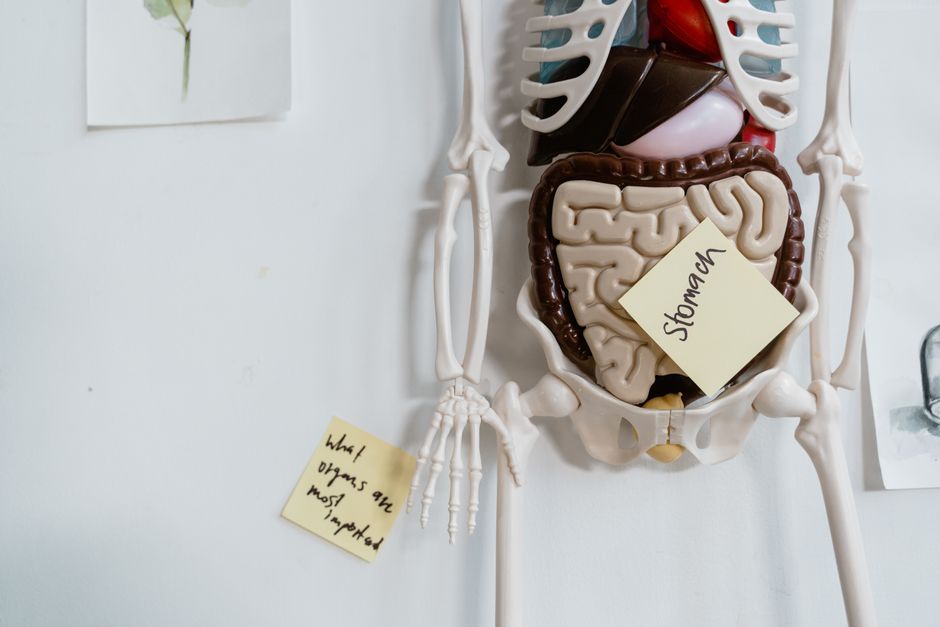
The digestive and circulatory systems work together in a constant, life-sustaining loop. The digestive system breaks down food into nutrients, and the circulatory system delivers those nutrients to every cell in the body. At the same time, the circulatory system carries oxygen to the digestive organs so they can do their work, and it removes waste products they produce. This partnership is not optional—it is how your body turns a meal into energy, repair materials, and the building blocks for every tissue you have.
What Is the Physical Connection Between These Two Systems?
The two systems connect through a network of blood vessels that wrap around the digestive tract. This network is called the splanchnic circulation. It includes arteries that bring oxygen-rich blood to the stomach, intestines, liver, and pancreas, and veins that carry nutrient-rich blood away.
The most important connection is the portal vein. This vein collects blood from the intestines and sends it straight to the liver before it reaches the rest of the body. That detour is deliberate. The liver is the body’s processing plant. It filters, stores, and transforms the nutrients that just entered your bloodstream before they circulate system-wide.
Without this portal system, a single large meal could overwhelm the rest of the body with raw nutrients. The liver regulates what passes through and what gets stored for later.
How Do Nutrients Cross From the Digestive Tract Into the Blood?
After food is chewed and swallowed, it moves through the stomach and into the small intestine. The small intestine is where most absorption happens. Its inner lining is folded into tiny finger-like projections called villi. Each villus is covered in even smaller microvilli, which together create a massive surface area—roughly the size of a tennis court in an adult.
This surface area matters because absorption is a contact sport. Nutrients must touch the intestinal wall to cross into the blood. The villi are packed with capillaries, the smallest blood vessels in the body. Their walls are only one cell thick, which lets nutrients pass through easily.
Different nutrients take different routes. Water-soluble vitamins and simple sugars pass directly into the capillaries and travel to the liver through the portal vein. Fats and fat-soluble vitamins take a different path. They enter the lymphatic system first, which eventually drains into the bloodstream near the collarbone. This is why dietary fat absorption is slightly slower than carbohydrate absorption—it takes a longer route.
How Do the Digestive and Circulatory Systems Interact During Digestion?
The interaction is not passive. When you eat, your body redirects blood flow to the digestive organs. This is called postprandial hyperemia—the increase in blood flow that happens after a meal. The intestines need more oxygen to process food, so the circulatory system responds by sending more blood their way.
This is why you may feel sluggish after a large meal. A portion of your circulating blood volume is busy in the abdomen. Your muscles and brain still get what they need, but they are not the priority at that moment.
Once nutrients are absorbed, the circulatory system takes over delivery. Blood carries glucose, amino acids, fatty acids, vitamins, and minerals to tissues throughout the body. Cells extract what they need, and the blood continues on, picking up carbon dioxide and other waste products along the way.
The heart pumps about 5 liters of blood per minute at rest. After a heavy meal, a significant share of that volume is moving through the digestive tract. Over the course of a day, the entire blood volume passes through the liver many times over.





What Role Does the Liver Play in This Partnership?
The liver sits at the center of the digestive-circulatory connection. It receives blood from two sources: the hepatic artery, which brings oxygen-rich blood, and the portal vein, which brings nutrient-rich blood from the intestines.
The liver processes nearly everything you absorb. It converts fructose and galactose into glucose. It stores glucose as glycogen for later release. It packages fats into lipoproteins that can travel through the bloodstream. It synthesizes proteins, including albumin, which helps keep fluid inside blood vessels.
The liver also detoxifies. Alcohol, medications, and metabolic waste products are filtered and modified here before they reach the general circulation. This is why liver disease has such wide-ranging effects—when the liver fails to process blood properly, toxins and unmetabolized nutrients accumulate throughout the body.
How Does the Circulatory System Support the Digestive Organs Themselves?
The digestive organs are living tissue, and like all tissue, they need oxygen and nutrients to function. The celiac artery and the superior and inferior mesenteric arteries supply blood to the stomach, liver, spleen, pancreas, and intestines.
If blood flow to these organs is reduced, digestion suffers. This happens in conditions like mesenteric ischemia, where narrowed or blocked arteries limit blood supply to the intestines. The result can be severe abdominal pain after eating, because the intestines cannot meet the increased oxygen demand of digestion.
Conversely, some digestive problems increase blood flow. Inflammation, such as in inflammatory bowel disease, causes blood vessels in the intestinal wall to dilate. This brings more immune cells to the area but can also cause bleeding and fluid loss.
How Do Digestive Problems Affect the Circulatory System?
Digestive health and cardiovascular health are linked in ways that go beyond simple nutrient delivery. Chronic digestive conditions can have direct and indirect effects on the heart and blood vessels.
Malabsorption disorders, such as celiac disease or chronic pancreatitis, can lead to deficiencies in iron, vitamin B12, and other nutrients needed to produce red blood cells. Over time, this can cause anemia, which means the blood carries less oxygen than it should. Fatigue, shortness of breath, and pale skin are common signs.
Gastrointestinal bleeding, whether from ulcers, polyps, or other sources, can also cause anemia. If bleeding is slow and chronic, a person may not notice until their blood counts drop significantly.
There is also a less direct connection through inflammation. Some research suggests that chronic gut inflammation may contribute to systemic inflammation, which is a risk factor for cardiovascular disease. The evidence is still developing, and no one should assume a digestive condition automatically harms the heart. But the link is real enough that doctors often monitor cardiovascular risk in patients with long-standing inflammatory bowel conditions.
What Happens When the Circulatory System Fails to Support Digestion?
Heart failure can disrupt digestion because the digestive organs depend on adequate blood flow. When the heart pumps less effectively, blood can pool in the digestive tract. This causes symptoms like nausea, early fullness, and poor appetite.
Liver congestion is a common complication of right-sided heart failure. When the heart cannot pump blood forward efficiently, pressure builds up in the veins that drain the liver. The liver becomes engorged with blood, which can impair its function over time.
Conversely, severe dehydration or blood loss reduces blood volume, which means less blood reaches the digestive tract. This can slow digestion and reduce nutrient absorption. In extreme cases, it can damage the intestinal lining.
How Can You Support Both Systems Through Diet and Lifestyle?
Dietary choices affect both systems simultaneously because they depend on each other. A diet that supports cardiovascular health also supports digestion, and vice versa.
Fiber is a good example. Soluble fiber, found in oats, beans, and apples, slows digestion and can help manage blood cholesterol levels. Insoluble fiber, found in whole grains and vegetables, adds bulk to stool and supports regular bowel movements. Both types support the digestive process, and the cholesterol-lowering effect of soluble fiber directly benefits the circulatory system.
Hydration matters for both systems. Water is needed for digestion, nutrient transport, and maintaining blood volume. Even mild dehydration can reduce blood volume slightly, which makes the heart work harder and can slow digestive transit.
Regular physical activity improves circulation and stimulates intestinal motility. Even a moderate daily walk can help maintain healthy blood flow to the digestive organs and support regular bowel function.
When Should You See a Doctor?
Some symptoms point to problems in the digestive-circulatory connection. Persistent fatigue with pale skin may indicate anemia from poor absorption or slow blood loss. Dark, tarry stools can signal bleeding high in the digestive tract. Severe abdominal pain after eating, especially with weight loss, warrants evaluation for reduced blood flow to the intestines.
Shortness of breath with abdominal swelling and poor appetite can indicate that heart function is affecting the liver and digestive tract. These symptoms should not be ignored.
Any of these signs deserve a medical evaluation. Digestive and circulatory problems can develop quietly, and early detection makes treatment easier and more effective.
Frequently Asked Questions
How do the digestive and circulatory systems work together?
The digestive system breaks food into nutrients, and the circulatory system carries those nutrients to cells throughout the body while also delivering oxygen to the digestive organs.
What is the portal vein and why is it important?
The portal vein carries nutrient-rich blood from the intestines to the liver before it reaches the rest of the body, allowing the liver to process and regulate those nutrients.
Can digestive problems cause heart problems?
Some digestive conditions can contribute to anemia or systemic inflammation, which are cardiovascular risk factors, but the relationship is complex and not all digestive issues affect the heart.
Why do I feel tired after eating a large meal?
Blood flow is redirected to the digestive organs after eating, so less blood is available for muscles and the brain, which can cause a temporary feeling of sluggishness.
