
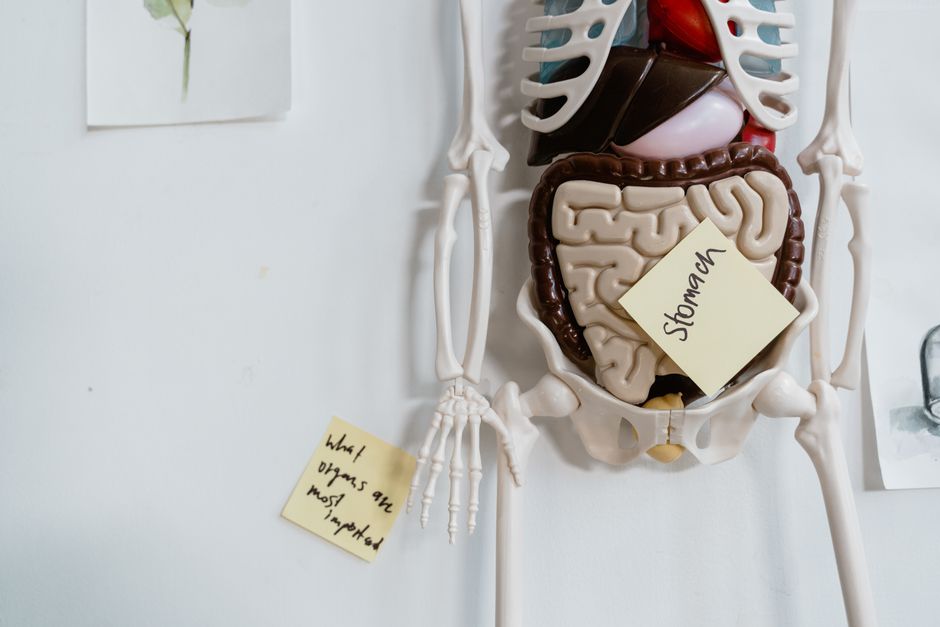
Stomach flu is a common name for viral gastroenteritis. It is an infection of the intestines, not the stomach, and it is not caused by the influenza virus. The viruses that cause it spread easily from person to person through tiny particles of stool or vomit. You usually catch it by touching a contaminated surface and then touching your mouth, or by sharing food, drinks, or utensils with someone who is infected.
How Does Stomach Flu Spread
The main route is the fecal-oral pathway. That sounds clinical, but it simply means that virus from an infected person’s stool ends up in another person’s mouth. This happens far more easily than people realize.
Here is how the chain of transmission usually works:
- An infected person uses the bathroom. Even with careful handwashing, microscopic amounts of virus can remain on hands, faucets, or door handles.
- They touch a surface. Light switches, phones, keyboards, and kitchen counters become contaminated.
- Someone else touches that surface. The virus transfers to their fingertips.
- They touch their face. Rubbing an eye, eating with unwashed hands, or biting a fingernail moves the virus into the digestive tract.
Vomiting also spreads the virus. When a person vomits, tiny droplets can land on nearby surfaces or float in the air and settle on objects. Norovirus, the most common cause of stomach flu in adults, produces billions of virus particles in just one episode of vomiting or diarrhea. It takes fewer than 20 particles to infect another person. That is an extremely low infectious dose.
Can You Catch Stomach Flu From the Air
Not in the way you catch a cold or the flu. The viruses that cause gastroenteritis do not typically travel through the air in respiratory droplets from coughing or sneezing.
However, research has shown that vomiting can aerosolize virus particles. This means particles become suspended in the air briefly before settling on surfaces. Some studies suggest this may play a role in outbreaks in enclosed spaces like cruise ships or hospital wards. But the primary risk remains touching contaminated surfaces and then touching your mouth. Direct contact with an infected person or their bodily fluids is a far greater risk than breathing the same air.
How Long Before Symptoms Appear
The incubation period depends on the specific virus. For norovirus, symptoms usually begin 12 to 48 hours after exposure. For rotavirus, which more commonly affects infants and young children, the incubation period is typically around two days.
During this time, a person feels fine but the virus is already multiplying in their intestines. This is one reason stomach flu spreads so quickly. People are contagious before they know they are sick. Once symptoms begin, they often start suddenly. Nausea, vomiting, watery diarrhea, and stomach cramps can all appear within hours of each other.



How Long Is a Person Contagious
You are most contagious while you have symptoms and for the first 48 hours after they stop. But the virus can remain in your stool for up to two weeks after recovery. This is especially true for norovirus.
This does not mean you will definitely infect others for two weeks. It means the risk is not zero. Good hand hygiene should continue well after you feel better. This matters most for people who handle food, care for children, or work in healthcare settings.
What Are the Most Common Causes
Several different viruses cause the condition people call stomach flu. Norovirus is the leading cause in the United States. It accounts for most outbreaks in schools, cruise ships, nursing homes, and restaurants. It is highly resilient and can survive on surfaces for days or even weeks.
Rotavirus is more common in infants and young children. Before the rotavirus vaccine was introduced, nearly all children were infected by age five. The vaccine has dramatically reduced cases. Other causes include adenovirus and sapovirus, which produce similar but often milder symptoms.
Bacteria can also cause gastroenteritis, but the term stomach flu typically refers to viral infections. Bacterial infections like salmonella or E. coli usually come from contaminated food and may require different treatment. If symptoms include high fever, blood in the stool, or last longer than three days, a bacterial cause is more likely.
How to Stop the Spread in Your Home
When someone in your household is sick, the goal is to break the chain of transmission. The most effective steps are straightforward but require consistency.
Wash your hands with soap and water. Hand sanitizer is not enough. Norovirus is not effectively killed by alcohol-based sanitizers. Soap and water physically remove the virus from your skin. Wash for at least 20 seconds, especially after using the bathroom, changing a diaper, or cleaning up vomit.
Clean surfaces with bleach. Standard household cleaners may not kill norovirus. A solution of one part bleach to nine parts water is effective. Wear gloves while cleaning and focus on high-touch areas like doorknobs, light switches, faucets, and toilet handles.
Wash laundry carefully. Handle soiled clothing and bedding with gloves. Wash items in hot water and dry on the highest heat setting. Do not shake dirty laundry, as this can release virus particles into the air.
Keep the sick person isolated. They should use a separate bathroom if possible. They should not prepare food for others until at least 48 hours after symptoms resolve. Disposable plates and utensils can reduce the risk of contamination during the acute phase.
What to Do If You Get Sick
The most important thing is to prevent dehydration. Vomiting and diarrhea cause your body to lose fluids and electrolytes rapidly. This is especially dangerous for young children, older adults, and people with weakened immune systems.
Sip fluids frequently. Water is better than nothing, but oral rehydration solutions are more effective because they replace the salts and sugars your body loses. Sports drinks are not ideal because their sugar content can worsen diarrhea. For most healthy adults, the illness resolves on its own within one to three days.
Do not take over-the-counter anti-diarrheal medications without talking to a doctor. Some of these medications can make certain infections worse by keeping the virus in your body longer. Antibiotics do not work against viruses and should not be used.
Seek medical care if you cannot keep any fluids down for more than 24 hours, if you see blood in your vomit or stool, if you have a fever above 102°F, or if you show signs of severe dehydration. Signs include dark urine, dizziness when standing, dry mouth, and decreased urination.
Can You Get Stomach Flu Twice
Yes. Immunity to norovirus and other stomach flu viruses is short-lived. You can be infected multiple times in a single year.
There are many different strains of norovirus. Your immune system may recognize one strain but not another. Even if you have some immunity to a specific strain, it may fade within a few months. This is why outbreaks continue to occur in the same communities year after year.
Does the Flu Shot Protect Against Stomach Flu
No. The flu shot protects against influenza, a respiratory virus that causes fever, cough, and body aches. It does not protect against norovirus, rotavirus, or any other cause of viral gastroenteritis.
Some people call any illness with vomiting and diarrhea the stomach flu, but this is a misnomer. Influenza rarely causes vomiting in adults. If you have received a flu shot and later develop stomach symptoms, you are dealing with a different virus entirely.
Frequently Asked Questions
Can stomach flu spread through food?
Yes. Food can become contaminated if an infected person prepares it without washing their hands properly. Leafy greens, fresh fruit, and shellfish are common sources of norovirus outbreaks.
How long does stomach flu live on surfaces?
Norovirus can survive on hard surfaces for days or even weeks. Regular cleaning with a bleach-based solution is more effective than standard household disinfectants.
Can you catch stomach flu from someone before they show symptoms?
Yes. People can shed the virus before symptoms appear. The incubation period for norovirus is 12 to 48 hours, and a person can be contagious during this time.
Is stomach flu contagious through saliva?
Yes, indirectly. Sharing food, drinks, or utensils with an infected person can transmit the virus. Kissing someone who is actively sick also carries a real risk of infection.
