
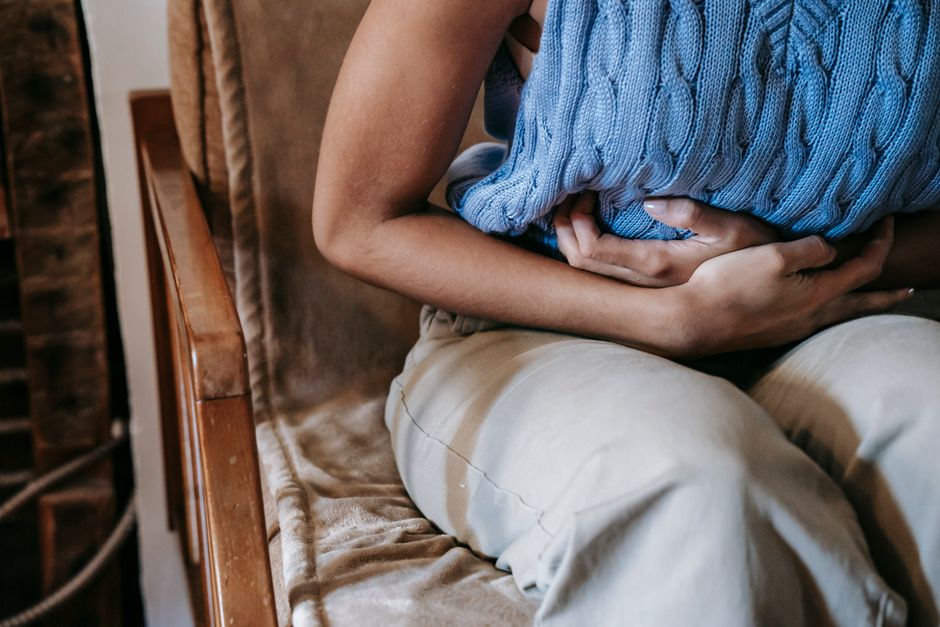
Stomach cramps can stop you in your tracks. Whether they come from gas, indigestion, or a muscle spasm in your gut, the pain is real and you want relief now. The fastest natural approach is to combine gentle heat, specific breathing, and hydration. Heat relaxes the muscles in your abdominal wall, while slow breathing signals your nervous system to calm down. This combination often reduces cramping within minutes, and it works for many common causes of stomach pain.
What Actually Causes Stomach Cramps?
Stomach cramps are usually a muscle spasm. The walls of your stomach and intestines are lined with smooth muscle. When this muscle contracts too hard or out of rhythm, you feel a cramp.
The most common triggers are gas buildup, constipation, indigestion, and mild food irritation. For women, menstrual cramps can also radiate to the stomach area. In most cases, these cramps are brief and harmless. They pass once the gas moves, the stool passes, or the irritant clears your system.
Less common causes include food intolerances like lactose intolerance, irritable bowel syndrome (IBS), or a mild stomach virus. These conditions produce recurring cramps rather than one-off pain. If your cramps happen often, the cause is likely a pattern, not a single event.
How To Cure Stomach Cramps Quickly And Naturally
The fastest natural method combines heat and breathing. Place a warm compress or heating pad on your abdomen for 10 to 15 minutes. The heat relaxes the smooth muscle that is spasming. At the same time, take slow, deep breaths from your diaphragm. Push your belly out as you inhale, and let it fall as you exhale. This breathing pattern physically massages your intestines and activates the parasympathetic nervous system, which is your body’s rest-and-digest mode.
Hydration is the next step. Dehydration makes muscle cramps worse everywhere in the body, including the gut. Sip room-temperature water slowly. Do not chug it, as that can add gas. Herbal tea, particularly peppermint or ginger, adds an extra layer of relief because both have properties that relax digestive muscle.
If the cramp is from gas, movement helps. Walk around the room or gently rock your hips side to side. This physical motion helps trapped gas move through the intestines. Lying completely still can make gas cramps last longer.
Heat Therapy: Why A Warm Compress Works
Heat is one of the most reliable natural remedies for stomach cramps. It works on a physiological level. The warmth increases blood flow to the abdominal area. Better blood flow delivers oxygen and nutrients to the muscle tissue, which helps the muscle relax.
Heat also blocks pain signals. The nerves that detect warmth send signals to the spinal cord faster than pain signals do. This means the warmth signal can effectively override the pain signal temporarily.
Use a heating pad on a low or medium setting, a hot water bottle wrapped in a towel, or a warm damp cloth. Never place heat directly on bare skin. Always use a barrier like clothing or a towel. Limit each session to 15 to 20 minutes to avoid skin irritation.





Herbal Teas And What The Evidence Says
Peppermint tea is the most studied herbal remedy for digestive cramps. The active compound, menthol, is an antispasmodic. It blocks calcium channels in the smooth muscle of the gut, which reduces the strength of contractions. Research on peppermint oil capsules for IBS shows meaningful reduction in cramping and bloating. The tea form is gentler than the concentrated oil, but it still provides measurable relief for mild cramps.
Ginger tea works through a different pathway. Ginger speeds up gastric emptying, which means food and gas spend less time sitting in your stomach. It also reduces nausea, which often accompanies stomach cramps. Some research indicates ginger can reduce the production of certain inflammatory compounds in the gut.
Chamomile tea is a third option. It contains apigenin, a compound that binds to certain receptors in the brain and promotes relaxation. The effect on the gut muscle is indirect but real. For mild cramps that come with anxiety or stress, chamomile is a reasonable choice.
Positioning And Movement To Release Trapped Gas
Gas is the most common cause of sudden stomach cramps. When gas gets trapped in a bend of the colon, it stretches the intestinal wall, and the muscle responds by cramping.
The knee-to-chest position helps release trapped gas. Lie on your back, pull both knees toward your chest, and wrap your arms around them. Hold for 30 seconds, then release. Repeat three to five times. This position shortens the path through the colon and helps gas move forward.
The child’s pose from yoga also works. Kneel on the floor, sit back on your heels, and fold your torso forward so your chest rests on your thighs. Extend your arms forward and breathe slowly. This gentle compression on the abdomen encourages gas movement.
If you can walk, do it. A slow five-minute walk is often more effective than any single position. The rhythmic motion of walking stimulates peristalsis, the wave-like contractions that push contents through the intestines.
When Natural Remedies Are Not Enough
Most stomach cramps resolve within a few hours. If natural methods do not provide relief within two hours, consider whether something more serious is happening.
Seek medical attention if the cramps are severe enough to double you over, if they come with a fever, if your vomit or stool contains blood, or if the pain steadily worsens. These symptoms can indicate appendicitis, a bowel obstruction, or a gallbladder issue. These conditions require medical treatment, not home remedies.
Also pay attention to location. Cramps that start around the belly button and move to the lower right side of the abdomen are a classic sign of appendicitis. Cramps in the upper right abdomen that occur after eating fatty meals may point to gallbladder problems. Cramps that come with vaginal bleeding in a woman of childbearing age require prompt evaluation.
For recurring cramps, track your pattern. Note what you ate in the hours before the cramp, what time of day it happened, and how long it lasted. This information helps a doctor identify triggers like lactose intolerance, fructose malabsorption, or IBS.
Preventing Stomach Cramps Before They Start
Prevention is easier than treatment. The most common preventable causes of stomach cramps are eating too fast, drinking carbonated beverages, and overeating.
Eating slowly is the single most effective habit change. When you eat quickly, you swallow air, and that air becomes gas. Chewing food thoroughly also reduces the workload on your stomach. Your stomach has to churn food into a paste before passing it to the intestines. Smaller pieces mean less churning and fewer cramps.
Carbonated drinks introduce gas directly into your stomach. The bubbles in soda, sparkling water, and beer are carbon dioxide. Some of that gas gets absorbed, but much of it travels through your digestive tract and comes out as flatulence. If you are prone to cramps, reduce or eliminate carbonated drinks.
Regular physical activity also prevents cramps. Exercise keeps the digestive tract moving efficiently. People who walk 20 to 30 minutes daily report fewer episodes of constipation and gas-related cramps than sedentary people.
Frequently Asked Questions
Can drinking water stop stomach cramps?
Yes, sipping room-temperature water can relieve cramps caused by dehydration or mild constipation. Do not drink large amounts quickly, as that can introduce air and worsen gas.
Is a heating pad safe for stomach cramps?
Yes, a heating pad on a low or medium setting is safe for 15 to 20 minutes at a time. Always place a towel or clothing between the pad and your skin to prevent burns.
How long do stomach cramps usually last?
Most cramps from gas or indigestion pass within 30 minutes to a few hours. Cramps lasting more than two hours despite home treatment warrant medical evaluation.
Can stress cause stomach cramps?
Yes, stress triggers the release of hormones that alter gut muscle contractions. Deep breathing and relaxation techniques can reduce stress-related cramping by activating the parasympathetic nervous system.
