
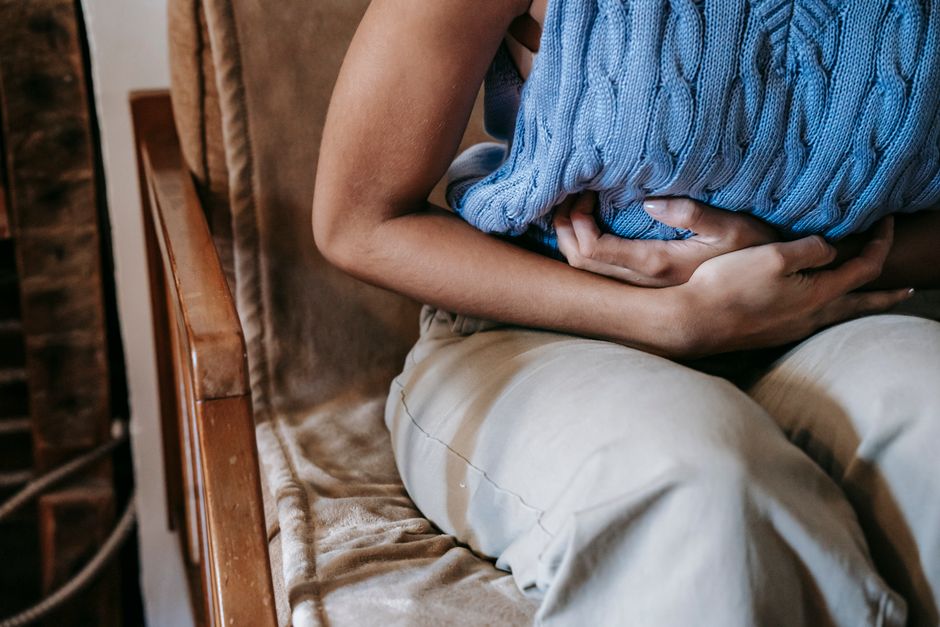
A stomach cramp is a sudden, tight feeling in your belly muscles. It can range from a mild twinge to sharp, debilitating pain. The fastest way to get rid of a stomach cramp depends on the cause, but heat, gentle movement, hydration, and over-the-counter antacids or pain relievers are the most common first-line remedies. If the cramp is severe, lasts longer than a few hours, or comes with fever or vomiting, you need medical attention rather than home treatment.
What Causes a Stomach Cramp?
Stomach cramps are a symptom, not a condition. The underlying cause determines which remedy will actually work. The most common causes include gas, indigestion, constipation, and menstrual pain. Viral gastroenteritis—often called the stomach flu—also causes cramping.
Muscle spasms in the intestinal wall drive most cramps. The intestines contract to move food and gas along. When irritation, inflammation, or blockage occurs, those contractions become stronger and more painful. Understanding this mechanism matters because treatments like heat and antacids target the muscle spasm itself rather than a specific disease.
Some cramps come from organs near the stomach. The gallbladder, pancreas, and appendix can all cause pain that feels like a stomach cramp. If the pain is in the lower right side of your abdomen, that is a red flag for appendicitis and requires immediate evaluation.
How To Get Rid Of A Stomach Cramp Fast
For a sudden cramp with no alarming symptoms, start with the simplest interventions first. A heating pad or warm compress placed on the abdomen relaxes the muscle wall and often provides relief within minutes. Keep the heat at a comfortable level—never so hot that it burns the skin.
Gentle movement can help move trapped gas. Walking slowly or rocking your pelvis while on your hands and knees may ease the pressure. Avoid vigorous exercise, which can worsen spasms.
Hydration is essential. Dehydration makes muscle contractions more painful. Sip water or an oral rehydration solution slowly. If the cramp follows a large meal, an over-the-counter antacid containing simethicone can break up gas bubbles. For menstrual cramps, nonsteroidal anti-inflammatory drugs like ibuprofen are more effective than acetaminophen because they reduce the prostaglandins that drive uterine contractions.
If none of these provide relief within 30 to 60 minutes, reassess. Persistent pain that does not respond to basic measures deserves medical evaluation.
Home Remedies That Actually Work
Several home remedies have genuine physiological backing. Peppermint tea is one of them. Menthol in peppermint relaxes smooth muscle in the intestinal wall. Some research suggests peppermint oil capsules reduce symptoms in irritable bowel syndrome, though the evidence for tea specifically is less robust. If you try peppermint tea, use it for mild cramping only.
Ginger is another option. It has anti-inflammatory properties and can settle nausea. A small amount of fresh ginger steeped in hot water is safe for most adults. It will not stop a severe cramp, but it can ease mild digestive distress.
Warm water with lemon is a gentle way to stimulate digestion without adding irritants. Avoid carbonated drinks, which introduce more gas, and avoid high-fat or spicy foods until the cramp resolves.
One non-obvious point: the position of your body matters. Lying flat can trap gas. Lying on your left side with your knees drawn toward your chest allows gas to travel more easily through the colon. This position also helps if the cramp is related to constipation.





When To Use Medication
Over-the-counter options exist, but they are not interchangeable. Antacids neutralize stomach acid and help with indigestion-related cramps. Simethicone products target gas. Antispasmodics like dicyclomine require a prescription and are reserved for conditions like irritable bowel syndrome.
Ibuprofen or naproxen can reduce inflammation and are effective for menstrual cramps. They are not ideal for empty-stomach cramps because they can irritate the stomach lining. Acetaminophen is gentler on the stomach but less effective for cramping caused by uterine contractions.
Laxatives are appropriate only if constipation is clearly the cause. Using a laxative when the cramp is from a blockage or inflammation can make things worse. If you have not had a bowel movement in several days and the cramping is worsening, do not self-treat with laxatives—seek medical advice first.
No medication will fix a cramp caused by a structural problem like a hernia, gallstone, or intestinal obstruction. That is why the cause matters more than the remedy.
Foods and Drinks To Avoid During a Cramp
Certain foods make cramps worse by increasing gas production or irritating the gut lining. Carbonated beverages add gas directly. Cruciferous vegetables like broccoli, cabbage, and cauliflower ferment in the colon and produce gas. Beans and lentils do the same.
Dairy products can be problematic if you are lactose intolerant, even if you usually tolerate small amounts. High-fat foods slow stomach emptying and can trigger gallbladder pain that mimics a stomach cramp. Artificial sweeteners ending in “-ol” (sorbitol, mannitol, xylitol) are poorly absorbed and cause gas and bloating.
Caffeine stimulates intestinal contractions. For some people, that is helpful—it can trigger a bowel movement. For others, it intensifies cramping. Alcohol irritates the stomach lining and dehydrates you, both of which worsen cramps.
The safest approach during an active cramp is to eat nothing until the pain subsides. When you reintroduce food, start with small portions of bland items like plain rice, bananas, toast, or applesauce.
When a Stomach Cramp Is an Emergency
Most stomach cramps resolve on their own within a few hours. Some do not. Seek emergency care if the pain is severe enough that you cannot stand upright, if the abdomen is rigid or tender to the touch, or if the cramp comes with any of the following: fever, persistent vomiting, blood in vomit or stool, jaundice, or difficulty breathing.
Pain in the lower right abdomen is a particular concern. This location is classic for appendicitis. The pain often starts near the belly button and migrates to the lower right over several hours. Do not wait to see if it passes.
Cramps during pregnancy deserve special attention. Mild cramping can be normal as the uterus expands, but cramping with vaginal bleeding, back pain, or fluid leakage requires immediate evaluation. No home remedy should be used without discussing it with an obstetric provider.
In older adults, abdominal pain can signal mesenteric ischemia—reduced blood flow to the intestine. This is a medical emergency that often presents as severe pain that seems out of proportion to physical findings. If you are over 60 and have sudden, severe abdominal pain, do not attempt home treatment.
How To Prevent Stomach Cramps
Prevention targets the most common causes. Eating smaller meals more frequently reduces the workload on your digestive system. Chewing food thoroughly and eating slowly reduces the amount of air you swallow, which decreases gas.
Regular physical activity supports healthy intestinal motility. Even a 20-minute daily walk helps prevent constipation, a leading cause of cramping. Adequate fiber intake matters, but increasing fiber too quickly causes gas and cramping. Add fiber gradually over several weeks.
Hydration is a prevention tool, not just a treatment. Dehydration slows intestinal transit and hardens stool. Most adults need roughly 8 to 12 cups of fluid daily, though individual needs vary with activity level and climate.
Stress management has a real physiological effect. The gut has its own nervous system that communicates with the brain. Stress alters gut motility and increases pain sensitivity. Relaxation techniques, adequate sleep, and regular meals all reduce cramp frequency in people prone to digestive spasms.
Frequently Asked Questions
How long does a stomach cramp usually last?
Most mild cramps from gas or indigestion resolve within 30 minutes to a few hours. Cramps lasting longer than 24 hours or worsening over time need medical evaluation.
Can drinking warm water stop a stomach cramp?
Warm water can help by relaxing the intestinal muscle wall and promoting hydration. It is most effective for mild cramps caused by gas or mild dehydration.
Is a heating pad safe for stomach cramps?
Yes, a heating pad on a low or medium setting is safe for most adults. Never use heat if the abdomen is swollen, if you have a fever, or if the pain is sharp rather than crampy.
What position helps relieve a stomach cramp?
Lying on your left side with knees drawn toward your chest helps gas move through the colon. Sitting upright and leaning slightly forward can also relieve pressure.
