
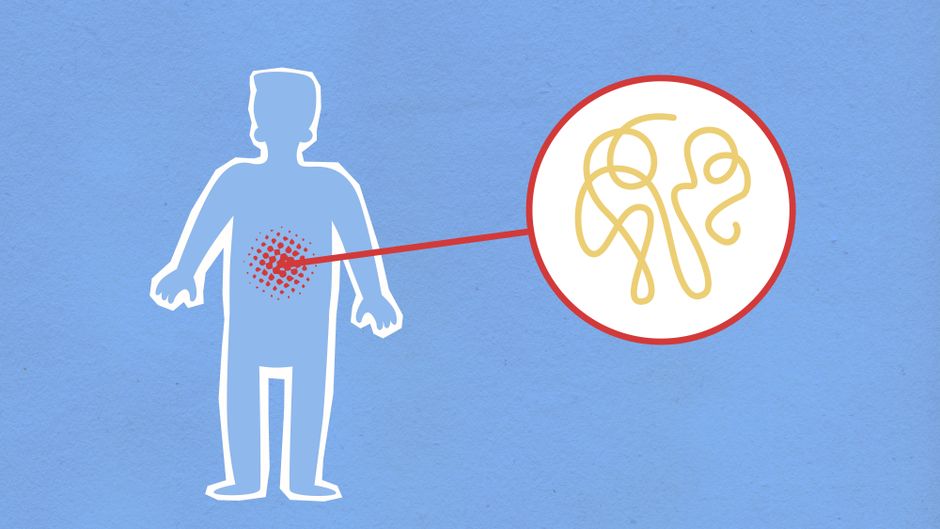
The sensation of an itchy feeling inside your stomach is rarely an actual itch. Your internal organs do not have the same itch receptors as your skin. What you are feeling is usually a misinterpreted nerve signal, often related to the digestive tract, the abdominal wall, or even stress. The feeling is real, but the source is often a different type of sensory input, such as pressure, stretching, or nerve irritation.
What Causes an Itchy Sensation in the Stomach?
The most common cause of this feeling is not your stomach at all. It is often the muscles and tissues of your abdominal wall. When these tissues are irritated, they can send signals that your brain interprets as an itch.
Another frequent cause is the stretching of the intestinal walls. Gas and bloating can trigger this. The nerves that detect stretching are close to the nerves that detect itching. When the stretch signal is strong, the brain can sometimes read it as an itch.
In some cases, the sensation is related to the skin on the outside of your abdomen. If you have dry skin, a mild rash, or even new clothing rubbing against your belly, the resulting signal can feel like it is coming from deeper inside. The brain is not always precise about locating the exact source of a sensation.
Is It Related to Digestion and Gut Motility?
Digestion involves a complex series of muscle contractions called peristalsis. These contractions move food through your intestines. If this process is unusually active or irregular, you might feel a fluttering or itchy sensation.
Some research suggests that irritation of the gut lining can lead to abnormal nerve signaling. This is seen in conditions like irritable bowel syndrome (IBS). People with IBS often report unusual sensations, including feelings that are hard to describe. An “itch” inside the abdomen is one of those descriptions.
Food sensitivities can also play a role. When your body reacts to a specific food, it can cause mild inflammation in the gut. This inflammation can alter nerve signals. The result may be a sensation that is not exactly pain, not exactly cramping, but something you describe as an itch.
Can Stress and Anxiety Cause This Feeling?
Stress is a major factor in how your gut feels. The brain and the gut are directly connected through the vagus nerve. This connection is so strong that it is often called the “gut-brain axis.”
When you are anxious, your body releases stress hormones. These hormones can change blood flow to the digestive tract. They can also increase muscle tension in the abdominal wall. Both of these changes can produce strange sensations.
Anxiety can also make you hyperaware of normal bodily functions. You might notice a normal gas bubble or a normal muscle twitch that you would otherwise ignore. Because you focus on it, the sensation feels more intense and more unusual. This is not imaginary. The feeling is real, but the source is your nervous system amplifying a normal signal.





When Could It Be a Sign of a Medical Condition?
Most of the time, an itchy sensation inside the stomach is harmless and temporary. However, there are situations where it warrants medical attention. If the sensation is accompanied by other symptoms, you should not ignore it.
See a doctor if the itch comes with any of the following:
- Severe abdominal pain
- Unexplained weight loss
- Blood in your stool
- Persistent nausea or vomiting
- Fever
- Jaundice (yellowing of the skin or eyes)
These symptoms can indicate a more serious issue. For example, gallbladder disease can cause referred sensations in the abdomen. Pancreatic issues can also produce unusual abdominal sensations. Liver problems sometimes cause itching, although this is usually felt on the skin rather than internally.
If you have a known condition like Crohn’s disease, ulcerative colitis, or celiac disease, any new sensation should be discussed with your healthcare provider. These conditions can cause changes in the gut lining that produce altered nerve signals.
Why Does The Inside Of Your Stomach Feel Itchy After Eating?
If the sensation occurs specifically after meals, the cause is likely related to the digestive process itself. When you eat, your stomach expands to accommodate the food. This expansion stretches the stomach wall.
The stretching activates mechanoreceptors, which are nerve endings that respond to pressure. These receptors are different from itch receptors, but the signals they send can overlap in the brain. Your brain may interpret this stretch signal as an itch.
Another possibility is a food intolerance. Lactose intolerance, for example, causes gas and bloating shortly after eating dairy. The rapid production of gas stretches the intestines quickly. This sudden stretch is more likely to produce unusual sensations than a gradual stretch.
Spicy foods can also be a culprit. Capsaicin, the compound that makes chili peppers hot, can irritate the lining of the stomach. This irritation can trigger nerve signals that feel like an internal itch. This is usually temporary and resolves as the food moves through your system.
What Can You Do to Relieve the Sensation?
There is no specific medical treatment for an internal stomach itch because it is not a recognized medical condition. The treatment depends on the underlying cause. If the cause is gas, reducing gas production can help.
Simple dietary changes can make a difference. Eating smaller meals more frequently can reduce stomach stretching. Chewing food thoroughly can reduce the amount of air you swallow. Avoiding carbonated drinks can also reduce gas build-up.
If stress is the trigger, relaxation techniques may help. Deep breathing exercises can activate the parasympathetic nervous system. This is the “rest and digest” system, which counteracts the stress response. Even a few minutes of slow, deep breathing can change how your gut feels.
Over-the-counter antacids or gas relief medications may help if the sensation is related to indigestion. However, you should not take these continuously without consulting a doctor. If the sensation persists for more than a few days, or if it interferes with your daily life, medical evaluation is appropriate.
When Should You See a Doctor?
You do not need to see a doctor for a brief, mild sensation that goes away on its own. These sensations are common and usually harmless. However, persistent or worsening symptoms warrant professional evaluation.
Make an appointment if the sensation lasts more than a week. You should also seek medical advice if the sensation changes in character, becomes painful, or starts happening more frequently. A doctor can perform a physical exam and may order blood tests or imaging to rule out underlying conditions.
It is also important to consider medications you are taking. Some medications can cause gastrointestinal side effects that produce unusual sensations. Antibiotics, for example, can alter the gut microbiome, leading to gas and bloating. If you recently started a new medication and noticed the sensation, discuss this with your doctor.
Frequently Asked Questions
Can an internal stomach itch be a sign of cancer?
It is very unlikely. Cancer does not typically present with an isolated itchy sensation inside the abdomen. However, if the sensation is accompanied by weight loss, pain, or changes in bowel habits, you should see a doctor for evaluation.
Does an itchy stomach mean I have a parasite?
No. Intestinal parasites can cause various digestive symptoms, but an internal itch is not a common or reliable sign. If you suspect a parasite, your doctor can test for it specifically.
Can dehydration cause an itchy feeling in the stomach?
Dehydration can affect digestion and muscle function, which might lead to unusual abdominal sensations. Drinking water regularly is a reasonable first step if you suspect dehydration, but persistent symptoms need medical review.
Is an itchy stomach sensation dangerous?
In most cases, no. It is usually a harmless nerve signal related to digestion, gas, or muscle tension. It becomes a concern only when it is severe, persistent, or accompanied by other symptoms like fever, vomiting, or severe pain.
