
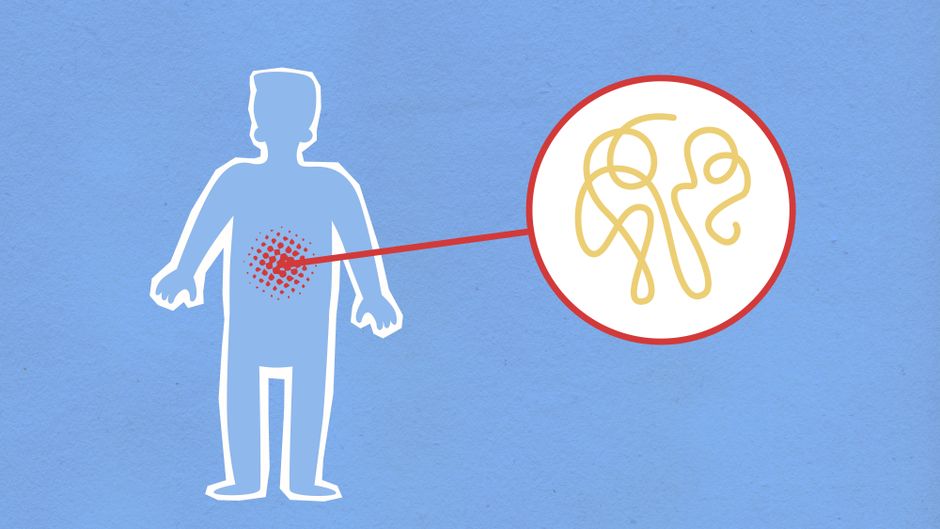
Stomach flu is a sudden, forceful illness that brings vomiting and diarrhea. It is not caused by the influenza virus at all. The real culprits are viruses like norovirus and rotavirus, and you get them by swallowing tiny particles of infected stool or vomit. This usually happens through contaminated food, water, or surfaces, or by touching your mouth with unwashed hands.
What Actually Causes Stomach Flu?
The medical name for stomach flu is viral gastroenteritis. It is an infection of the intestines. Several different viruses can cause it, and each one spreads in slightly different ways.
Norovirus is the most common cause in adults. It is highly contagious and spreads quickly in closed spaces like cruise ships, schools, and nursing homes. Rotavirus is the leading cause in young children, though a vaccine has made it much less common in countries where the vaccine is routine.
Other viruses, like adenovirus and astrovirus, also cause gastroenteritis, but they are less common. The symptoms are similar no matter which virus is responsible.
These viruses attack the lining of the small intestine. They cause the intestinal walls to become inflamed and stop absorbing fluids properly. That is why the body pushes out large amounts of watery stool. The inflammation also triggers the nausea and vomiting that define the illness.
How Do You Get Stomach Flu Causes And Spread?
The viruses that cause stomach flu live in stool and vomit. They leave the body when an infected person uses the bathroom or throws up. If that person does not wash their hands thoroughly, the virus transfers to everything they touch.
Door handles, light switches, phones, and kitchen counters become contaminated. When a healthy person touches these surfaces and then touches their mouth, nose, or eyes, the virus enters their body. This is called the fecal-oral route. It sounds unpleasant, but it is exactly how these viruses travel.
Food is another major pathway. An infected food handler can contaminate food with the virus. Shellfish like oysters are a common source because they filter water and can concentrate the virus if the water was contaminated. Fruits and vegetables can also carry the virus if they were washed with contaminated water.
Water itself can be a source. Contaminated drinking water, ice, or swimming pools can spread the virus. This is more common in areas with poor sanitation, but outbreaks have occurred from pool water even in developed countries.
Vomit is also contagious. Norovirus particles can become airborne briefly when someone vomits. These particles can land on surfaces or be inhaled. This is one reason outbreaks spread so fast in confined spaces.
Why Is Stomach Flu So Contagious?
Several factors make these viruses spread with remarkable ease. First, the infectious dose is tiny. It takes fewer than 20 virus particles to make a healthy adult sick. For comparison, an infected person can shed billions of particles in a single bout of vomiting or diarrhea.
Second, the virus survives on surfaces for weeks. Norovirus can remain infectious on countertops, doorknobs, and fabrics for up to two weeks in some conditions. Standard cleaning wipes do not always kill it. Bleach-based cleaners are more effective.
Third, people are contagious before they feel sick. An infected person can shed the virus for a day or two before symptoms appear. They can also continue shedding the virus for up to two weeks after they feel better. This makes it nearly impossible to isolate the infection completely.
Finally, immunity is short-lived. You can get norovirus multiple times in one season. The body builds some protection, but it fades within a few months. This is why stomach flu outbreaks recur year after year.




What Are the First Signs You Have It?
Symptoms usually start 12 to 48 hours after exposure. The onset is sudden. One moment you feel fine, and the next you have intense nausea and stomach cramps.
Vomiting and diarrhea follow quickly. Some people have both at the same time. Others have only one or the other. A low-grade fever, headache, and body aches are common. The illness typically lasts one to three days, though some people feel weak for a week afterward.
The main danger is dehydration. You lose fluids through vomiting and diarrhea faster than you can replace them. Young children, older adults, and people with chronic conditions are at the highest risk.
Signs of dehydration include dry mouth, dark urine, dizziness, and feeling unusually tired. Infants may have fewer wet diapers than usual and cry without tears. These symptoms require medical attention.
How Long Are You Contagious After Symptoms Stop?
You are contagious while you have symptoms and for a short time after they stop. The exact window depends on the virus. For norovirus, you can shed the virus for up to two weeks after recovery. However, the highest risk of spreading it is during the first 48 to 72 hours of illness.
This means returning to work or school the day after symptoms stop is risky. You may feel better, but you can still infect others. Most public health guidance recommends waiting at least 48 hours after the last episode of vomiting or diarrhea before returning to normal activities. This is especially important for food handlers, healthcare workers, and anyone who cares for children or older adults.
Hand washing remains critical during this period. The virus is still present in your stool even if you feel completely recovered. Failing to wash hands after using the bathroom can start a new outbreak.
Can You Get Stomach Flu From the Flu Shot?
No. The flu shot protects against influenza, which is a respiratory virus. It does not protect against norovirus, rotavirus, or any other cause of viral gastroenteritis. The symptoms are completely different. Influenza causes fever, cough, sore throat, and body aches. Stomach flu causes vomiting and diarrhea.
Some people report getting stomach flu shortly after a flu shot, but this is a coincidence. The vaccine takes about two weeks to build immunity. If you are exposed to a stomach virus during that window, you will get sick. The vaccine did not cause it.
There is no vaccine for norovirus. A rotavirus vaccine exists and is given to infants orally. It has dramatically reduced rotavirus infections in vaccinated populations. But it does not protect against the other viruses that cause stomach flu.
How Do You Stop It From Spreading at Home?
If someone in your household is sick, you can limit the spread. The most important step is frequent hand washing with soap and water. Hand sanitizer is not reliable against norovirus. Soap and water physically remove the virus from your skin.
Clean contaminated surfaces with a bleach-based cleaner. A solution of about 5 to 25 tablespoons of household bleach per gallon of water is effective. Wear gloves while cleaning. Wash any clothing or linens that may be contaminated in hot water.
Keep the sick person isolated in one room with a private bathroom if possible. Do not share food, drinks, or utensils. Wash fruits and vegetables thoroughly. Cook shellfish completely, as heat kills the virus.
If you are the one who is sick, stay home. Rest and drink fluids. Clear liquids like water, broth, and oral rehydration solutions are best. Avoid dairy, caffeine, and sugary drinks, which can worsen diarrhea. Eat bland foods like crackers, rice, and bananas as your appetite returns.
Antibiotics do not work against viruses. They are only effective against bacterial infections, and stomach flu is almost always viral. Taking antibiotics for a viral illness does not help and can contribute to antibiotic resistance.
Frequently Asked Questions
Can you catch stomach flu from someone before they show symptoms?
Yes, you can. People shed the virus for a day or two before symptoms start, so exposure can happen before anyone knows they are sick.
Does hand sanitizer kill norovirus?
No, hand sanitizer is not reliable against norovirus. Washing hands with soap and water is the only dependable method to remove the virus.
How long does stomach flu last?
Most cases resolve within one to three days. Some people experience lingering fatigue or digestive upset for up to a week after the main symptoms stop.
Can you get stomach flu twice in one season?
Yes. Immunity to norovirus is short-lived and does not protect against other virus strains, so reinfection is possible within the same season.
