
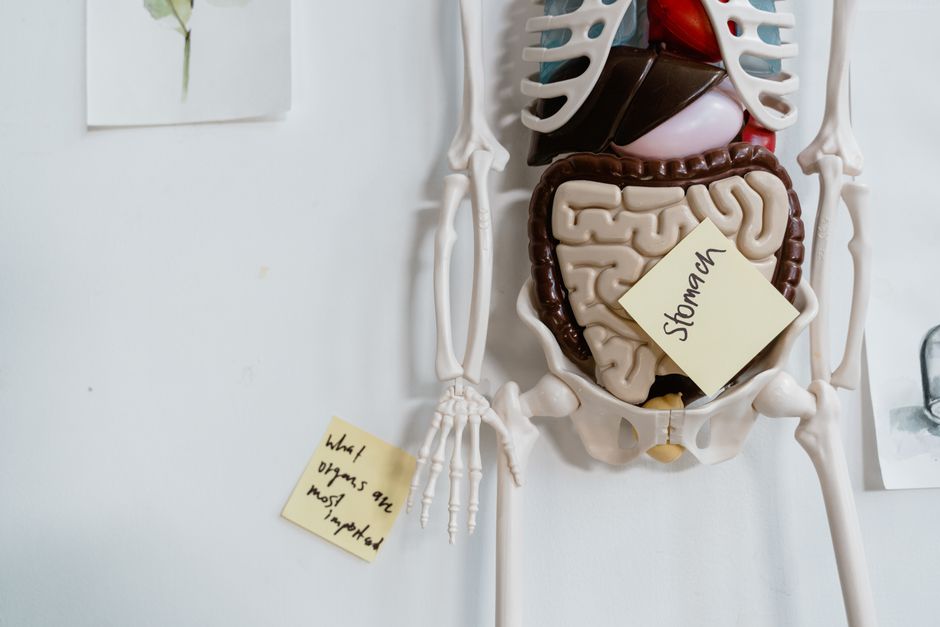
Your digestive system breaks down food into nutrients your body can use. Your excretory system removes the waste that is left over. These two systems work together as a continuous pipeline — one processes what you take in, and the other clears out what your body cannot use. Without this partnership, toxins would build up and your cells would starve.
How Do the Digestive and Excretory Systems Actually Connect?
The connection is physical and direct. Your digestive tract runs from your mouth to your anus. The excretory system includes the kidneys, ureters, bladder, and urethra — plus the skin and lungs. They meet at the large intestine and rectum.
Here is how the handoff works. After your small intestine absorbs most nutrients, the leftover material moves into the large intestine. The large intestine absorbs water and electrolytes. What remains becomes stool. The rectum stores it until you eliminate it through the anus.
Meanwhile, your kidneys filter your blood. They pull out waste products from digestion — like urea and creatinine. These dissolve in water and become urine. Urine travels through ureters to the bladder and leaves through the urethra.
The National Institute of Diabetes and Digestive and Kidney Diseases explains that the colon and kidneys share the job of maintaining fluid and electrolyte balance. If one system struggles, the other tries to compensate. This is why severe diarrhea can stress your kidneys.
Does Digestive and Excretory Work Together Affect Your Daily Health?
Yes, every single day. When digestion slows down, excretion often slows too. When you are dehydrated, your colon pulls extra water from stool, making it harder to pass. Your kidneys also concentrate urine to save water.
Research published in Clinical Gastroenterology and Hepatology found that people with chronic constipation had higher rates of kidney function decline over ten years. The connection appears to be inflammation and shared nerve pathways.
Some people notice this relationship after eating a heavy meal. The stomach stretches, which signals the colon to make room. This is called the gastrocolic reflex. It can trigger the urge to have a bowel movement within minutes of eating.
On the other side, when your kidneys are not filtering well, waste builds up in the blood. This can cause nausea, loss of appetite, and changes in digestion. The systems are not separate — they are interdependent.
What Happens When the Digestive and Excretory Systems Are Out of Sync?
Several common conditions show what happens when this partnership breaks down.
| Condition | What Goes Wrong | Common Symptoms |
|---|---|---|
| Constipation | Colon absorbs too much water from stool | Hard dry stool, straining, bloating |
| Dehydration | Not enough fluid for kidneys and colon to work properly | Dark urine, dry mouth, fatigue, headache |
| Kidney stones | Waste crystallizes in urine due to concentration or diet | Severe flank pain, blood in urine, nausea |
| Irritable bowel syndrome | Nerve signals between brain and gut are disrupted | Cramping, diarrhea, constipation, urgency |
When constipation becomes chronic, the colon can stretch and lose tone. This slows the movement of waste even more. The kidneys then have to work harder to filter blood that contains more reabsorbed toxins.
Some studies suggest that people with irritable bowel syndrome are more likely to have mild kidney function changes. The reason is not fully understood, but shared immune pathways and gut bacteria likely play a role.
If you have both digestive and urinary symptoms at the same time, it is worth mentioning to a doctor. They may not think to connect them unless you do.
-
 How Does the Digestive System and Circulatory Work Together?
 -
How Does the Digestive System Work with the Cardiovascular System?
-
How Does the Respiratory System Work with the Digestive System?
-
How Protein Digestive Enzymes Work In The Body?
-
Finessa Reviews & Complaints 2026: Helps In Gut & Digestion?





What Does Research on Digestive and Excretory Work Together Show?
Research has clarified several specific mechanisms. One major finding involves the gut-kidney axis. This is a two-way communication system between your gut bacteria and your kidneys.
A 2022 review in Nature Reviews Nephrology described how gut bacteria produce metabolites that enter the blood and affect kidney function. Some of these metabolites are helpful. Others, like p-cresol and indoxyl sulfate, are toxic to kidney tissue when levels get too high.
Your colon normally removes some of these toxins in stool. If your colon is slow or damaged, more toxins enter the bloodstream and reach the kidneys. This forces the kidneys to filter a heavier load.
Another research area is the enteric nervous system. This is a network of nerves in your gut wall. It communicates with your brain and spinal cord. It also connects to nerves that control bladder function. This explains why some people feel the urge to urinate when their colon is full.
The CDC reports that about 1 in 7 US adults have chronic kidney disease. Many of them also report digestive issues. The connection is not always diagnosed because doctors often treat each system separately.
What Are the Side Effects of Digestive and Excretory Systems Working Poorly Together?
When the systems do not coordinate well, the side effects go beyond discomfort. They can affect your energy, sleep, and long-term health.
- Bloating and gas from slowed movement through the colon
- Urinary urgency or leakage when the rectum is full and presses on the bladder
- Fatigue from toxin buildup when kidneys are overworked
- Nausea from waste products irritating the stomach lining
- Skin issues like dryness or itchiness when the kidneys cannot filter properly
Some people report that constipation triggers urinary tract infections. The theory is that stool in the colon presses on the bladder, preventing it from emptying fully. Stale urine in the bladder gives bacteria a place to grow.
Evidence for this connection is moderate. A study in Urology found that women with recurrent UTIs had higher rates of constipation than women without UTIs. The link was strong enough that researchers recommended treating constipation as part of UTI prevention.
On the digestive side, kidney problems can cause ammonia buildup in the blood. This irritates the stomach lining and can lead to ulcers or bleeding. It is not common in early kidney disease, but it becomes more likely as kidney function drops below 30 percent.
What to Avoid When Trying to Support Both Systems
Some popular health advice does more harm than good when it comes to this partnership.
Avoid overusing laxatives. Many people turn to stimulant laxatives for constipation. These force the colon to contract. Over time, the colon can become dependent on them. This slows natural movement and increases the load on your kidneys.
Avoid very low-carb diets without medical supervision. Ketogenic diets reduce fiber intake. Fiber is what feeds gut bacteria and keeps stool bulky. Without enough fiber, the colon slows down. The kidneys also have to process more acid from fat metabolism, which can strain them over years.
Avoid ignoring your thirst. Many adults do not drink enough water. The CDC estimates that about 40 percent of US adults drink less than four cups of water per day. This directly affects both the colon and kidneys. The colon pulls water from stool, and the kidneys have to concentrate urine. Both systems work worse when fluid is low.
Avoid holding it in. Ignoring the urge to urinate or have a bowel movement teaches the nerves to ignore the signals. This can lead to chronic constipation and bladder overdistension. Over time, the muscles weaken and coordination breaks down.
Avoid relying on detox teas or colon cleanses. As of 2026, there is no clinical evidence that these products improve kidney or colon function. Many contain senna or other stimulant laxatives that can cause cramping, dehydration, and electrolyte imbalances. Your body has its own detox system — your liver and kidneys. They work best when you stay hydrated and eat enough fiber.
Common Misconceptions About Digestive and Excretory Systems
One widespread myth is that you need to have a bowel movement every day. This is not true. Normal frequency ranges from three times per day to three times per week. What matters more is consistency and ease of passage.
Another myth is that detoxing your colon will improve kidney function. Your kidneys do not need help from colon cleanses. They filter your blood continuously. A healthy diet and adequate water intake support them better than any cleanse product.
Some people believe that drinking more water will always fix constipation. This is only partly true. Water helps, but fiber is what gives stool bulk and softness. Without fiber, water alone passes through too quickly to make a difference.
Some people also believe that urinary tract infections are always caused by poor hygiene. This is incorrect. Many UTIs are linked to constipation, as mentioned earlier, because stool buildup can prevent full bladder emptying.
Frequently Asked Questions
Can constipation cause kidney problems?
Chronic constipation can increase the workload on your kidneys by allowing more toxins to reenter your bloodstream. Some studies show a link between constipation and faster decline in kidney function over time.
Does drinking more water help both digestion and excretion?
Yes. Adequate water helps the colon keep stool soft and helps the kidneys filter waste efficiently. Most adults need between 8 and 12 cups of fluid per day depending on activity level and climate.
How does fiber affect the excretory system?
Fiber bulks up stool and speeds its passage through the colon. This reduces the amount of waste that gets reabsorbed into the blood, which lowers the filtering load on your kidneys.
Is it normal to feel the urge to urinate after eating?
Yes. The gastrocolic reflex can also stimulate the bladder through shared nerve pathways. This is a normal response and not a sign of a problem unless it is painful or uncontrollable.
