
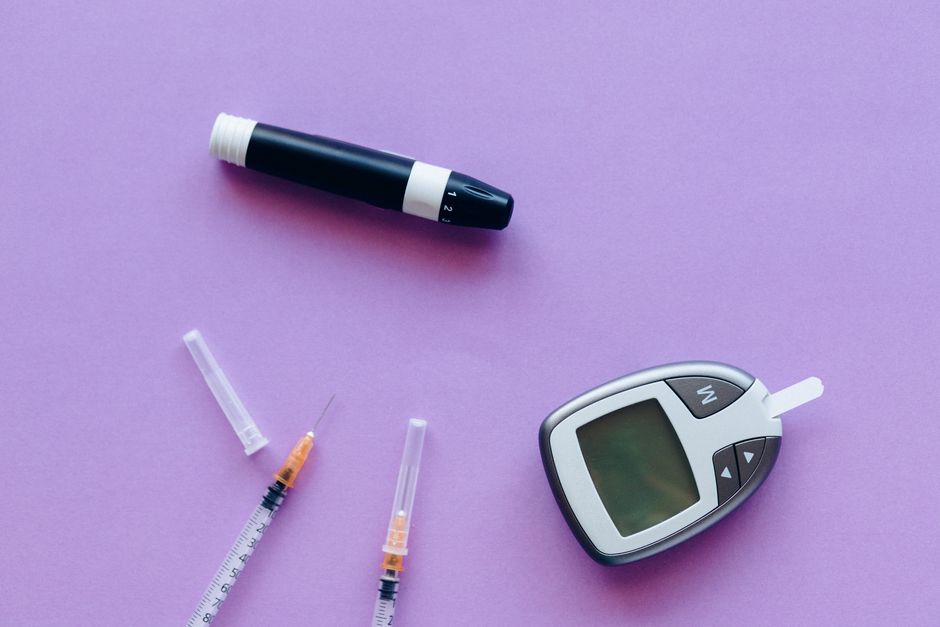
A fasting glucose test measures the sugar level in your blood after you have not eaten for at least eight hours. It is one of the most common blood tests doctors use to screen for diabetes and prediabetes. The results fall into clear ranges: normal, elevated, and diabetic. Understanding what those numbers mean helps you know where you stand and what steps to take next.
What Is a Normal Fasting Glucose Level?
A normal fasting blood sugar level is below 100 mg/dL. If your result falls in this range, your body is handling glucose the way it should. You do not have diabetes or prediabetes based on this test.
Keep in mind that a single normal result does not guarantee you will never develop diabetes. Your risk depends on many factors including weight, family history, activity level, and age. But a normal fasting glucose is a good sign that your current metabolic health is on track.
Some labs list normal as 70 to 99 mg/dL. A reading below 70 mg/dL is considered low blood sugar, which can be a concern if you take diabetes medication. If you are not on medication and feel fine, a slightly low reading is usually not dangerous.
What Does a Prediabetes Range Mean?
A fasting glucose between 100 and 125 mg/dL is classified as prediabetes. This means your blood sugar is higher than normal but not high enough to be diabetes. The medical term for this is impaired fasting glucose.
Prediabetes is a warning sign, not a diagnosis of disease. It indicates that your body is becoming less efficient at moving glucose out of your bloodstream. Many people with prediabetes go on to develop type 2 diabetes within five to ten years if nothing changes.
The good news is that prediabetes is often reversible. Research consistently shows that losing 5 to 7 percent of your body weight and getting about 150 minutes of moderate exercise per week can bring blood sugar back to normal. This is one of the most well-established findings in diabetes prevention research.
Your doctor may recommend a second test to confirm the result. A single elevated reading can happen for many reasons, including stress, illness, or a poor night of sleep. Confirming the result before making any changes is standard practice.
What Does a Diabetic Range Mean?
A fasting glucose of 126 mg/dL or higher on two separate tests indicates diabetes. A single reading at this level, combined with symptoms like frequent urination or unexplained weight loss, can also confirm the diagnosis.
Diabetes means your body either does not produce enough insulin or cannot use the insulin it makes effectively. Insulin is the hormone that allows glucose to enter your cells for energy. When this process fails, glucose builds up in your blood.
If you receive a diabetes diagnosis, your doctor will discuss treatment options. These typically include lifestyle changes, oral medications, and sometimes insulin therapy. The specific plan depends on the type of diabetes you have and your overall health.
A diagnosis of diabetes is serious but manageable. Millions of people live full, active lives with the condition. The key is consistent monitoring, medication adherence, and regular follow-up with your healthcare team.





How Accurate Is a Fasting Glucose Test?
The fasting glucose test is highly reliable when done correctly. The main requirement is that you truly fast for eight to twelve hours before the blood draw. Water is allowed, but no food, juice, coffee with sugar, or other beverages containing calories.
Several factors can affect your result. Illness, infection, or significant stress can raise blood sugar temporarily. Certain medications, including steroids and some blood pressure drugs, can also affect glucose levels. Always tell your doctor about every medication and supplement you take.
Your body’s natural rhythms matter too. Blood sugar tends to be lowest in the early morning. If your test is done later in the day, it may not reflect your true fasting state, especially if you slept poorly or had a late meal the night before.
Because of these variables, doctors rarely diagnose diabetes from a single abnormal test unless symptoms are present. They will usually repeat the test on a different day or order an A1C test, which measures your average blood sugar over the past two to three months.
What Other Tests Help Interpret Fasting Glucose?
Fasting glucose is often paired with other tests to give a fuller picture of your metabolic health. The A1C test does not require fasting and reflects your average blood sugar over roughly three months. An A1C of 5.6 percent or lower is normal, 5.7 to 6.4 percent indicates prediabetes, and 6.5 percent or higher suggests diabetes.
An oral glucose tolerance test measures your blood sugar before and two hours after drinking a sugary solution. This test is commonly used during pregnancy to screen for gestational diabetes. It can also help diagnose diabetes when fasting results are borderline.
Your doctor may also check your fasting insulin level. This test helps determine how well your pancreas is responding to your blood sugar. Elevated insulin with normal glucose suggests insulin resistance, a condition where your cells do not respond normally to insulin.
These tests work together. Fasting glucose tells you what is happening right now. A1C tells you what has been happening over time. Insulin levels help explain why your glucose might be trending in a certain direction.
What Should You Do If Your Result Is Elevated?
If your fasting glucose comes back in the prediabetes or diabetes range, do not panic. One test is not a final verdict. Your doctor will likely want to confirm the result and may order additional tests.
If prediabetes is confirmed, focus on the changes that have the strongest evidence behind them. Losing weight if you are overweight, increasing physical activity, and reducing refined carbohydrates are the most effective strategies. Some research suggests that replacing sugary drinks with water and adding fiber-rich vegetables to meals can also improve glucose control.
If diabetes is confirmed, work with your doctor to create a treatment plan. This may include medication, but lifestyle changes remain important. Many people with type 2 diabetes reduce their medication needs significantly after losing weight and increasing activity.
Ask your doctor whether you should check your blood sugar at home. Not everyone with prediabetes needs a home glucose monitor. For people with diabetes, however, regular monitoring is often essential to understand how food, activity, and stress affect blood sugar levels.
Can You Lower Your Fasting Glucose Naturally?
Yes, for many people, lifestyle changes can lower fasting glucose. The evidence is strongest for weight loss and physical activity. Even modest weight loss of 5 to 7 percent of body weight has been shown to reduce the risk of progressing from prediabetes to diabetes by more than half in some studies.
Aerobic exercise like brisk walking, swimming, or cycling improves insulin sensitivity. Resistance training with weights or bodyweight exercises also helps because muscle tissue uses glucose efficiently. Combining both types of exercise appears to be more effective than either alone.
Dietary changes matter. Reducing intake of sugary beverages, white bread, white rice, and other refined carbohydrates can lower blood sugar. Increasing fiber from vegetables, beans, and whole grains slows glucose absorption. Protein and healthy fats at meals also help stabilize blood sugar.
Sleep is often overlooked but important. Chronic sleep deprivation is linked to higher blood sugar and reduced insulin sensitivity. Aiming for seven to nine hours of quality sleep per night is a reasonable goal for most adults.
Some supplements claim to lower blood sugar, but the evidence is limited for most of them. Cinnamon, berberine, and chromium have some research behind them, but results are inconsistent. No supplement replaces the proven benefits of diet and exercise. Talk to your doctor before starting any supplement for blood sugar control.
When Should You See a Doctor?
You should discuss your fasting glucose results with a doctor regardless of the number. If your result is normal, your doctor can help you understand your personal risk factors and decide how often to retest. Current guidance generally suggests screening every three years starting at age 45, or earlier if you have risk factors like obesity or a family history of diabetes.
If your result is in the prediabetes or diabetes range, schedule a follow-up appointment promptly. Do not wait for symptoms to appear. Type 2 diabetes often develops silently, and early intervention is more effective than treatment after complications arise.
Seek medical attention sooner if you experience symptoms of high blood sugar. These include excessive thirst, frequent urination, blurred vision, fatigue, and slow-healing wounds. These symptoms warrant a same-day call to your doctor.
Frequently Asked Questions
What is a dangerous fasting glucose level?
A fasting glucose of 126 mg/dL or higher on two separate tests indicates diabetes and requires medical attention. Levels above 180 mg/dL are considered high and may cause symptoms, while levels above 250 mg/dL can be dangerous and require prompt medical evaluation.
Can stress affect my fasting glucose test?
Yes, stress hormones like cortisol can raise blood sugar levels. If you are under significant physical or emotional stress, your fasting glucose reading may be higher than your usual baseline.
Is fasting glucose of 90 mg/dL good?
Yes, a fasting glucose of 90 mg/dL is well within the normal range. Any reading between 70 and 99 mg/dL is considered normal for most people.
How long should I fast before a glucose test?
You should fast for at least eight hours before a fasting glucose test. Most doctors recommend fasting for eight to twelve hours, and you may drink water during this time.
