
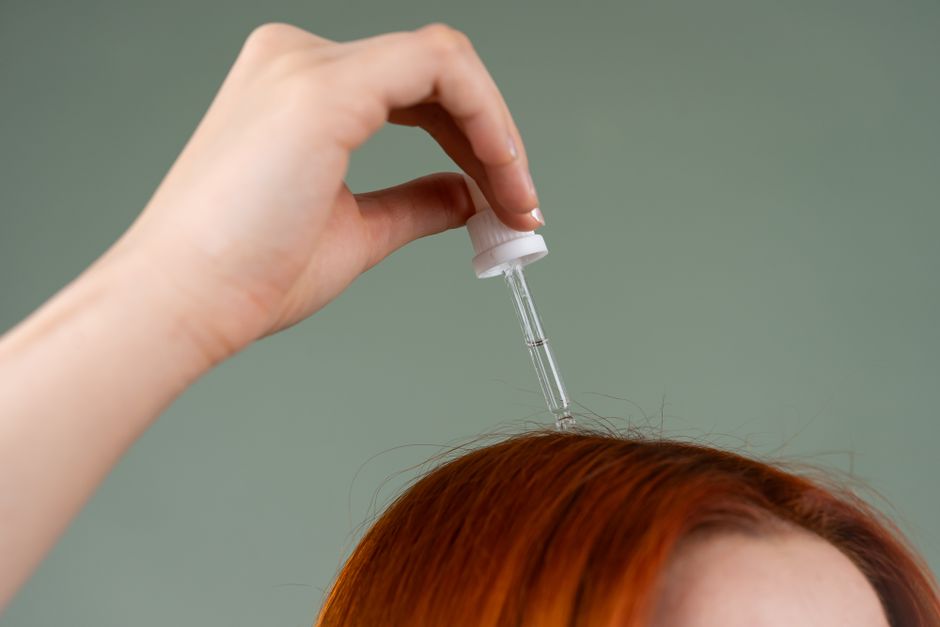
Head lice are a common problem, and the fear of getting them is often worse than the lice themselves. You get head lice through direct head-to-head contact with someone who already has them. The lice crawl from one person’s hair to another’s, and this is the primary way they spread. Reducing your risk comes down to avoiding that direct contact and not sharing items that touch the head, like combs, brushes, and hats.
What Exactly Are Head Lice?
Head lice are tiny, wingless insects that live only on the human scalp. They feed on small amounts of blood from the scalp several times a day. They are about the size of a sesame seed and range in color from tan to grayish-white.
Lice do not jump or fly. They cannot hop from one person to another. They only crawl. This is why close, direct contact is required for them to move from one head to another. A louse can crawl quickly, which is why a brief moment of head-to-head contact is enough to transfer one.
The life cycle of a louse is about 30 days. A female louse lays eggs, called nits, which she glues firmly to the base of hair shafts near the scalp. These nits hatch in about 8 to 9 days. The newly hatched nymphs mature into adults in about 9 to 12 days.
How Do You Get Lice And How To Reduce Your Risk?
The most common way to get lice is through direct head-to-head contact. This happens most often among children in schools and daycare settings. They play closely together, and their heads often touch during play, naptime, or sports activities.
Less common ways include sharing personal items that touch the head. This includes combs, brushes, hair ties, scarves, hats, helmets, and headphones. Lice can also spread through shared bedding or upholstered furniture, but this is much less common because lice need a human host to survive. They typically die within 24 to 48 hours away from the scalp.
To reduce your risk, you should avoid head-to-head contact whenever possible. Teach children not to share combs, brushes, hats, or hair accessories. Do not lie on beds, couches, or pillows that have been used by someone with lice. Wash personal items like hats and scarves in hot water if there is a known exposure.
What Are the First Signs of Lice?
The most common symptom of head lice is itching on the scalp, neck, and ears. This itching is an allergic reaction to the saliva of the louse when it bites. It can take 4 to 6 weeks after the initial infestation for the itching to develop, especially with a first-time infestation.
Not everyone itches. Some people have no symptoms at all, which is why lice can spread so easily before anyone notices. You may also feel a tickling sensation or see small red bumps on the scalp, neck, and shoulders.
The only way to confirm an active infestation is to find a live louse. Finding nits alone does not confirm an active infestation. Nits can remain attached to hair long after the lice are gone. A live louse must be found crawling on the scalp to know that treatment is needed.





How Do You Check for Lice Properly?
Checking for lice requires good lighting and a fine-toothed comb. A special lice comb is ideal, but any fine-toothed comb can work. Wetting the hair first makes the process easier and more accurate.
Work through the hair in small sections. Start at the scalp and comb outward to the ends of the hair. After each stroke, wipe the comb on a white paper towel or tissue. Look for live lice and nits. Live lice move quickly, so you need to look carefully.
Pay special attention to the areas behind the ears and at the nape of the neck. These are the warmest parts of the scalp and where lice prefer to lay their eggs. Checking every 3 to 4 days is reasonable if you know there has been an exposure at school or in your household.
What Is the Best Way to Treat Lice?
Several effective treatments are available, and they work in different ways. Over-the-counter treatments containing permethrin are the first-line option for most people. Permethrin is a synthetic pyrethroid that kills live lice but does not reliably kill nits. A second treatment is often needed 9 to 10 days later to kill any newly hatched lice.
Prescription treatments are available when over-the-counter options fail. These include benzyl alcohol lotion, which suffocates lice, and spinosad suspension, which kills both lice and nits. Ivermectin lotion is another prescription option that is highly effective with a single application.
Wet combing is a non-chemical method that can be effective if done thoroughly. It requires combing through the hair every 3 to 4 days for at least 2 weeks to remove all live lice and nits. This method is time-consuming but avoids the use of pesticides.
Can You Use Natural Remedies for Lice?
Natural remedies like mayonnaise, olive oil, and petroleum jelly are popular home treatments. The theory is that these thick substances suffocate the lice by blocking their breathing pores. Some research suggests these may have some effect, but the evidence is limited and results are inconsistent.
Essential oils like tea tree oil and lavender oil have been studied for their insecticidal properties. Some studies suggest they may repel or kill lice, but no large clinical trials have confirmed their effectiveness as a treatment. No clinical guidelines currently recommend essential oils as a primary treatment for head lice.
The honest position is that natural remedies are not reliably effective. If you choose to try one, you must be prepared to comb thoroughly and repeatedly. Many people end up needing a proven medical treatment after trying natural options without success.
What Should You Do If Your Child Has Lice?
If your child has lice, the first step is to treat them with an approved product and follow the instructions exactly. Do not use more than directed, and do not combine treatments unless a healthcare provider tells you to. Do not use a treatment on a child under 2 years old without consulting a pediatrician.
Notify the school or daycare so they can check other children. Schools typically have a policy for lice. Many schools have moved away from “no-nit” policies because they are not supported by evidence. The American Academy of Pediatrics and the National Association of School Nurses both recommend that children with live lice be allowed to finish the school day, receive treatment, and return the next day.
Wash bedding and clothing in hot water and dry on high heat. Items that cannot be washed can be sealed in a plastic bag for 2 weeks. Vacuum carpets and upholstered furniture. These steps help prevent reinfestation, though the risk of spread through these items is low.
How Do You Prevent Lice From Coming Back?
After treatment, the most important step is to remove all nits. No treatment kills every egg reliably. Manual removal with a fine-toothed comb is essential to break the life cycle. Check the hair every 2 to 3 days for 2 weeks after treatment.
Do not use lice prevention products daily. Products marketed as “repellent” sprays or shampoos have no strong evidence that they prevent infestation. Regular use of these products can irritate the scalp and is not recommended.
Be aware that lice do not discriminate by hygiene. Having lice is not a sign of poor cleanliness. Lice actually prefer clean hair because it is easier to grip. Anyone can get lice, and it has nothing to do with how often you wash your hair.
Frequently Asked Questions
Can you get lice from a pillow or shared bedding?
Yes, but it is uncommon. Lice can survive for up to 48 hours away from the scalp, so sharing bedding with someone who has an active infestation carries some risk.
Do lice jump or fly from person to person?
No. Lice cannot jump or fly. They only crawl, which is why direct head-to-head contact is the primary way they spread.
Can you get lice from a swimming pool?
No evidence confirms that lice spread through swimming pool water. Lice grip tightly to hair and are unlikely to detach in water.
How long does it take to know if you have lice?
Itching can take 4 to 6 weeks to develop after the first infestation. The only reliable way to know is to find a live louse on the scalp.
