
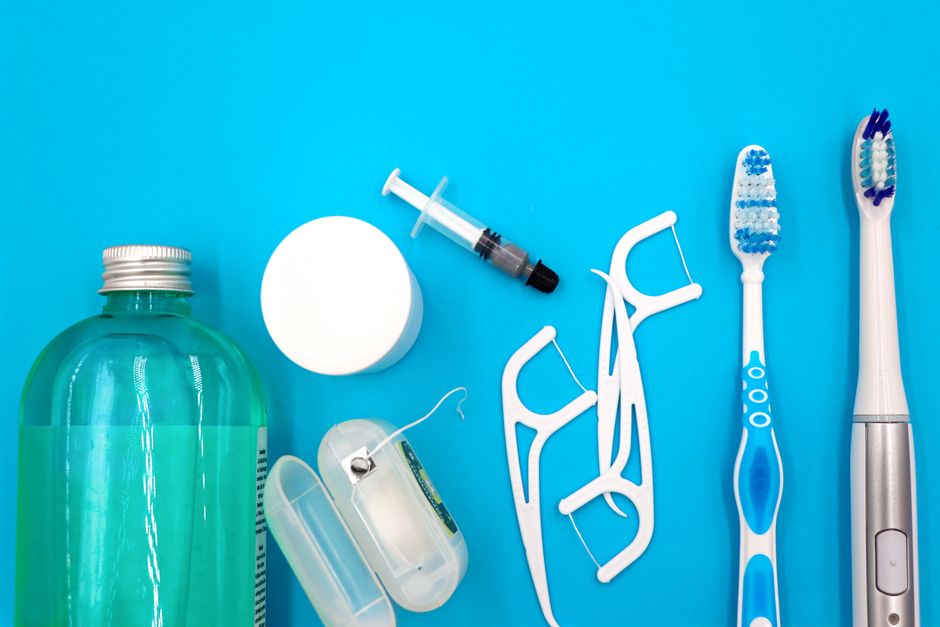
Plaque is the sticky film of bacteria that constantly forms on your teeth. If it stays there, it turns into tartar, which you cannot remove with a toothbrush. The good news is that you can control plaque every day with a few consistent habits that take only minutes total. Brushing twice a day, cleaning between your teeth once a day, and making smart choices about what you eat and drink are the proven foundations for keeping plaque under control.
What Exactly Is Dental Plaque and Why Does It Matter?
Plaque is a soft, colorless film that builds up on teeth. It forms when bacteria in your mouth combine with sugars and starches from food. This mixture produces acids that attack tooth enamel. If plaque is not removed daily, it hardens into tartar, also called calculus.
Tartar is much harder to deal with than plaque. Once tartar forms, you cannot brush it away. It often requires a dental professional to remove it during a cleaning. Plaque buildup is the primary driver of two common problems: cavities and gum disease. Keeping plaque in check is not just about having a nice smile. It is about protecting the long-term health of your teeth and gums.
How To Reduce Plaque On Teeth Daily Habits That Help
The most reliable way to reduce plaque is to physically remove it before it hardens. This means brushing properly, flossing or using interdental cleaners, and doing it on a schedule that does not let plaque sit for long periods.
Brush your teeth twice a day with a fluoride toothpaste. Use a soft-bristled brush. Hold it at a 45-degree angle to your gums and use gentle, circular motions. Do not scrub hard. Brushing for two full minutes is the standard recommendation from dental professionals. This length of time gives you enough opportunity to cover all surfaces of every tooth.
Cleaning between your teeth once a day is just as important as brushing. Your toothbrush cannot reach the tight spaces between teeth. Floss, interdental brushes, or a water flosser can remove plaque from these areas. If you skip this step, you are leaving plaque in the areas where gum disease often starts.
Why Brushing Technique Matters More Than Brushing Harder
Many people think that pressing harder with their toothbrush cleans better. That is not true. Aggressive brushing can damage your gums and wear down enamel over time. This damage is permanent and can lead to tooth sensitivity.
Gentle, thorough brushing is more effective than hard scrubbing. The mechanical action of the bristles loosens plaque. The fluoride in your toothpaste helps repair early stages of enamel damage. Replacing your toothbrush every three to four months is also important. Once bristles become frayed, they do not clean as effectively. If you have been sick, replace your brush to avoid reintroducing bacteria to your mouth.





The Role of Fluoride in Plaque Control
Fluoride is a mineral that helps prevent cavities. It does this in two ways. First, it makes tooth enamel more resistant to acid attacks from plaque bacteria. Second, it can help repair very early stages of tooth decay before a cavity forms.
Most public water supplies contain fluoride at levels that help prevent tooth decay. This is a well-established public health measure. Using a toothpaste that contains fluoride is one of the simplest and most effective daily habits for reducing your risk of cavities. For most adults, standard fluoride toothpaste from any pharmacy or grocery store is sufficient. If you have a high risk of cavities, your dentist may recommend a prescription-strength toothpaste with a higher fluoride concentration.
Does Mouthwash Actually Help Reduce Plaque?
Mouthwash can be a helpful addition to your routine, but it does not replace brushing or flossing. Some mouthwashes contain antibacterial ingredients that can reduce the number of bacteria in your mouth. Others contain fluoride for extra cavity protection.
Look for a mouthwash that carries an antibacterial or anti-plaque claim. However, understand that mouthwash cannot physically remove the sticky film of plaque that is already attached to your teeth. Only mechanical action from brushing and interdental cleaning can do that. If you choose to use mouthwash, use it after brushing and flossing. Check the label for instructions, as some mouthwashes should not be used immediately after brushing because they can wash away the fluoride from your toothpaste.
How Food and Drink Choices Affect Plaque Buildup
Everything you eat and drink influences the bacteria in your mouth. Sugary and starchy foods feed the bacteria that form plaque. When you eat sugar, the bacteria produce acid. This acid attack on your teeth lasts for about 20 minutes after you finish eating.
Frequent snacking or sipping sugary drinks throughout the day extends these acid attacks. Your saliva needs time to neutralize the acid and help repair the enamel. If you are constantly eating, your saliva never gets that chance.
Water is the best drink for your teeth. Drinking water, especially fluoridated tap water, helps rinse away food particles and keeps your mouth moist. Saliva is your body’s natural defense against plaque. Dry mouth, a condition where you do not produce enough saliva, significantly increases your risk of plaque buildup and cavities. If you take medications that cause dry mouth, talk to your doctor or dentist about ways to manage it.
What Happens When Plaque Turns Into Tartar?
Plaque that is not removed within 24 to 48 hours can begin to harden into tartar. Tartar is a rough, porous deposit that forms at and below the gumline. Once tartar is present, it creates a rough surface that makes it even easier for new plaque to accumulate.
Tartar is also unsightly. It appears as a yellow or brown deposit on the teeth, usually near the gumline. You cannot remove tartar at home. No amount of brushing or flossing will get rid of it. It requires a professional dental cleaning with specialized instruments.
This is why the daily removal of plaque is so important. Once plaque crosses the line into tartar, your daily routine is no longer enough. You will need to see a dental professional to restore your teeth to a clean state.
When To See a Dental Professional
Daily habits are your first line of defense, but they are not a substitute for professional care. Most people need a professional cleaning and checkup every six months. Some people with a history of gum disease may need to go more often, such as every three to four months.
Your dentist or dental hygienist can remove tartar that you cannot reach. They can also spot early signs of cavities, gum disease, and other oral health problems before they become serious. Regular visits are not optional extras. They are a necessary part of maintaining oral health.
If you notice bleeding gums when you brush or floss, persistent bad breath, or teeth that feel loose, schedule an appointment sooner rather than later. These can be signs of gum disease, which is a serious condition that can lead to tooth loss if left untreated.
The Connection Between Oral Health and Overall Health
Oral health is connected to more than just your mouth. Research has found links between gum disease and other health conditions, including diabetes and heart disease. The exact nature of these relationships is still being studied, but the evidence suggests that keeping your mouth healthy is part of keeping your body healthy.
Gum disease causes inflammation in the mouth. This inflammation may contribute to inflammation elsewhere in the body. For people with diabetes, severe gum disease can make blood sugar control more difficult. This does not mean that gum disease causes heart attacks. The relationship is complex and not fully understood. But maintaining good oral hygiene is a low-cost, low-risk habit that supports your overall health in ways that go beyond your smile.
Building a Routine That Sticks
The most effective plaque-control routine is the one you will actually do every day. Start with the basics. Brush twice a day for two minutes. Clean between your teeth once a day. Drink water throughout the day. Limit sugary snacks and drinks.
Set a reminder on your phone if you often forget to brush at night. Keep floss or interdental brushes in a visible place. Replace your toothbrush on a regular schedule, such as the first day of each season. Small, consistent actions matter far more than occasional perfect routines. Plaque forms constantly, so your defense must be constant too.
Frequently Asked Questions
Can baking soda remove plaque from teeth?
Baking soda can help remove surface stains and may have mild abrasive properties that assist in plaque removal during brushing. However, it does not contain fluoride, so it should not replace your regular fluoride toothpaste.
How long does it take for plaque to turn into tartar?
Plaque can begin to harden into tartar within 24 to 48 hours if it is not removed. Once tartar forms, it cannot be removed by brushing at home and requires a professional dental cleaning.
Is an electric toothbrush better for removing plaque?
Studies have shown that electric toothbrushes, particularly those with oscillating-rotating heads, can remove slightly more plaque than manual brushes. The most important factor is that you brush thoroughly for two minutes twice a day, regardless of the type of brush you use.
Does oil pulling reduce plaque?
Some small studies suggest that oil pulling may reduce plaque and gingivitis, but the evidence is limited and the quality of research varies. It is not a substitute for brushing and flossing, and no large, high-quality trials have confirmed its effectiveness as a standalone method.
