
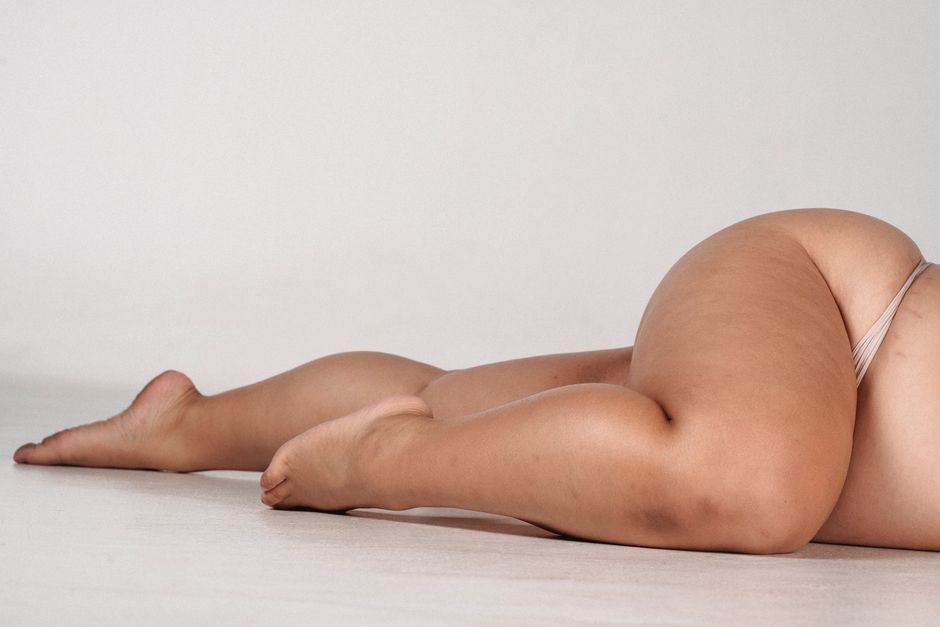
Cellulite on the thighs is a normal change in how fat sits beneath the skin, not a sign of poor health. It affects most women at some point in their lives, regardless of weight or fitness level. The honest answer is that no cream, tool, or exercise can permanently remove it, but several approaches can visibly reduce its appearance, and the evidence for each varies widely. The most effective strategies combine body fat reduction, muscle building, and treatments that target the fibrous bands pulling the skin down.
Why Cellulite Forms On Thighs In The First Place
Cellulite forms when fat cells push up against the skin while tough connective tissue bands pull down. This creates the dimpled, uneven surface you see. The structure of these bands differs between men and women, which is why cellulite is far more common in women.
Hormones also play a role. Estrogen influences fat storage, blood flow, and the health of connective tissue. As estrogen levels change with age, the skin becomes thinner and less elastic, making the fat underneath more visible. Genetics determine how your fat is distributed and how strong your connective tissue is, so some people are simply more prone to it.
Thigh cellulite is not caused by toxins, poor circulation, or any other myth you might have heard. It is a normal anatomical feature. Even very lean women can have visible cellulite because it depends on the structure of the tissue, not just the amount of fat.
Does Weight Loss Actually Reduce Thigh Cellulite?
Losing body fat can reduce the appearance of cellulite, but it will not eliminate it. When fat cells shrink, they push against the skin less forcefully. That can smooth the surface somewhat. However, weight loss also thins the skin and can reduce the cushioning between the skin and muscle, which sometimes makes cellulite look worse.
The relationship is not straightforward. A person at a healthy weight can have significant cellulite, while someone with more body fat may have very little. The key factor is the ratio of fat to muscle in the thigh area and the quality of the connective tissue.
If you carry excess body fat, losing it through a calorie deficit can help. But do not expect a specific number on the scale to correspond with a specific change in your thighs. Fat loss is distributed across the whole body, and you cannot target where it comes from.
Which Exercises Target The Thigh Area Effectively
Building muscle in the thighs and glutes can visibly reduce cellulite. Muscle sits beneath the fat layer and fills out the area, creating a smoother contour. Stronger muscles also improve local blood flow and skin tension.
Compound movements are the most effective choice. Squats, lunges, step-ups, and hip thrusts engage the large muscle groups of the lower body. These exercises build the quadriceps, hamstrings, and gluteal muscles, which directly support the skin of the thighs and buttocks.
Resistance training with progressive overload is key. That means gradually increasing the weight or repetitions over time. Light resistance with high repetitions may improve endurance but does not build enough muscle to change the underlying structure of the thigh.
Cardiovascular exercise helps by reducing overall body fat. Walking, running, cycling, or swimming all contribute to a calorie deficit. The best exercise plan combines both cardio and strength training, not one or the other.





Do Topical Creams And Lotions Actually Work?
Most cellulite creams do not work beyond a temporary cosmetic effect. The active ingredients in many products, such as caffeine, temporarily dehydrate the skin and constrict blood vessels. This can make the skin look tighter for a few hours, but the effect fades quickly.
Caffeine-based creams may produce a short-term visual improvement because caffeine has a mild diuretic effect on the skin. This reduces fluid retention in the area, which can temporarily smooth the surface. The effect typically lasts less than a day and does not change the underlying structure.
Retinol creams have a different mechanism. Retinol can thicken the skin over time by stimulating collagen production. Thicker skin covers the fat layer more effectively, which may reduce the visibility of cellulite. However, results take months of consistent use and are modest at best.
No topical product has been shown to break down the fibrous bands that cause the dimpling. If a cream claims to eliminate cellulite, it is marketing, not medicine. The evidence simply does not support it.
What Professional Treatments Have Real Evidence
Several professional treatments target the structural causes of cellulite, and the evidence for them is stronger than for creams or home devices. These treatments are performed by dermatologists or licensed practitioners and are not inexpensive.
Acoustic wave therapy uses sound waves to break up the fibrous bands and stimulate collagen production. Some studies show measurable improvement in thigh circumference and skin smoothness after multiple sessions. Results are not permanent, and maintenance sessions are usually needed.
Radiofrequency devices heat the deeper layers of the skin to stimulate collagen and tighten tissue. These treatments are widely used and generally considered safe when performed by qualified professionals. The evidence shows modest improvement, but results vary significantly between individuals.
Laser therapy, particularly a procedure called subcision, physically cuts the fibrous bands beneath the skin. This is one of the more invasive approaches but also one of the most effective. A small laser fiber is inserted under the skin, and the bands are released. The improvement can last for a year or more.
No professional treatment completely eliminates cellulite in everyone. Clinical trials show improvement, not cure. Before committing to any expensive treatment, ask the provider about their specific success rates and what percentage improvement you can realistically expect.
Do Massage Tools And Dry Brushing Help?
Massage tools and dry brushing produce temporary changes in appearance at best. They work by increasing local blood flow and moving fluid out of the tissue. This can reduce puffiness and make the skin look smoother for a few hours.
The vacuum-based devices sold for home use create suction that stretches the skin. This can cause temporary swelling that smooths the dimples. The effect lasts a day or two and does not change the structure of the tissue.
There is no evidence that any home massage device permanently reduces cellulite. They are not harmful, and some people enjoy the sensation or the temporary smoothing effect. If you use them, understand that you are purchasing a temporary cosmetic effect, not a structural change.
Dry brushing, which involves brushing the skin with a stiff bristle brush, is popular on social media. It may stimulate blood flow and exfoliate the skin, which can improve texture. It does not affect the fat cells or connective tissue that cause cellulite.
Does Diet Change The Appearance Of Thigh Cellulite?
No specific food causes or cures cellulite. However, overall diet affects body fat percentage, skin health, and fluid balance, all of which influence how visible cellulite is.
A diet that leads to weight loss will reduce the fat pushing against the skin. A diet high in processed foods and excess sodium can promote fluid retention, which may make cellulite look more pronounced. Staying well hydrated and eating a balanced diet with adequate protein supports skin health and muscle maintenance.
Collagen supplements are marketed for skin health, and some research suggests they may improve skin elasticity. The evidence is preliminary, and results are modest. If you take collagen, understand that it is a supplement, not a treatment, and the effect on cellulite specifically has not been well studied.
Anti-inflammatory foods like fruits, vegetables, and omega-3 fatty acids support overall skin health but do not directly target cellulite. The most reliable dietary approach is maintaining a healthy body weight through balanced nutrition and adequate protein intake.
What Realistic Results Look Like Over Time
Realistic expectations matter more than any single treatment. Cellulite is a normal feature of human skin, and it is unlikely to disappear completely. Even with the most effective combination of exercise, weight management, and professional treatment, most people see a visible reduction in severity, not elimination.
Exercise and weight management take several months to produce noticeable changes. Building muscle is a slow process, and fat loss happens gradually. If you are consistent with strength training and maintain a healthy weight, you may see improvement within three to six months.
Professional treatments typically show results after several sessions, and improvement continues over weeks as collagen remodels. Maintenance treatments are usually necessary to sustain results. The cost and time commitment are significant, and you should weigh these against the expected benefit.
The most honest approach is to focus on what you can control. Strength training, maintaining a healthy weight, and caring for your skin are beneficial for your overall health regardless of their effect on cellulite. If cellulite remains after your best efforts, that is normal and not a sign of failure.
Frequently Asked Questions
Can cellulite on thighs go away completely?
No treatment completely eliminates cellulite in everyone. The most effective approaches reduce its visibility significantly, but the underlying structure that causes it remains.
How long does it take to see results from exercise?
Visible changes typically take three to six months of consistent strength training and fat loss. Building muscle and losing fat are gradual processes that require patience.
Are cellulite creams worth the money?
Most creams provide only temporary cosmetic effects that last hours. Caffeine-based products may temporarily tighten skin, and retinol creams may thicken skin over months, but neither changes the underlying structure.
What is the most effective professional treatment?
Laser subcision, which cuts the fibrous bands under the skin, has the strongest evidence for lasting improvement. Results vary by individual, and maintenance sessions are usually needed.
