
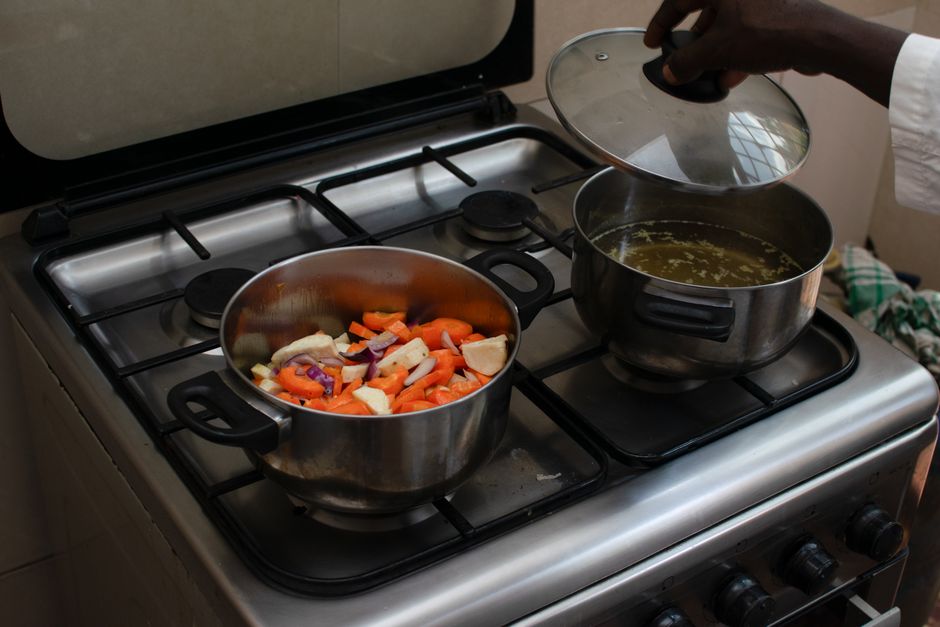
Soup that tastes watery or thin is a common frustration. The good news is that you can fix it in your own kitchen without special equipment. Reducing soup means simmering it uncovered so water evaporates, which concentrates flavor and naturally thickens the liquid. This simple technique works for most soups and stews, and it is often the first step professional cooks take before adding any other thickener.
What Does Reducing Soup Actually Do?
Reducing is a cooking technique that removes water through evaporation. As the soup simmers, steam rises and escapes, leaving behind a more concentrated liquid. The remaining broth carries more flavor because the water is gone. The natural starches, proteins, and gelatin already in the soup become more prominent, which changes the texture.
Think of it like this. If you dissolve one bouillon cube in two cups of water, it tastes mild. Dissolve that same cube in one cup of water, and the flavor is much stronger. The same principle applies to your soup. You are not adding anything new. You are simply removing the diluting water.
Reduction works best with broths, vegetable soups, and meat-based stews. Cream-based soups need more care because high heat can cause the dairy to separate or curdle. For those, reduce the base liquid first, then add the cream near the end of cooking.
How To Reduce Soup For Richer Thicker Results
Start by removing the lid from your pot. A covered pot traps steam, and trapped steam cannot escape. The soup will stay at the same consistency no matter how long you cook it. Uncovered simmering is the core of reduction.
Turn the heat to medium or medium-low so the soup bubbles gently. A rolling boil will work faster but risks scorching the bottom and breaking apart delicate ingredients. A gentle simmer gives you control and prevents the flavors from turning bitter or burnt.
Stir occasionally to prevent sticking, especially as the liquid level drops. The soup thickens fastest in the last few minutes, so watch it closely once it starts to change. You can test the thickness by dipping a spoon into the pot. The liquid should coat the back of the spoon lightly. If it runs off like water, it needs more time.
This process can take anywhere from 10 to 30 minutes depending on how much liquid you started with and how thick you want the final result. A large pot of thin broth needs longer than a small pot of already-slightly-thick soup. Taste as you go. The flavor intensifies as the water evaporates, so you may need less salt than you think at the end.
How Much Should You Reduce Soup?
There is no single perfect target because every soup is different. A good starting point is to reduce the volume by one-quarter to one-third. If you started with eight cups of soup, simmer until you have about five to six cups remaining. This level of reduction noticeably thickens most soups without making them overly salty or heavy.
For heartier soups like bean or lentil soup, you may want to reduce by nearly half. These soups have more solids that benefit from a thicker liquid base. For delicate broths like chicken noodle or miso soup, reduce only slightly or not at all. Over-reducing can make the broth taste overly strong and concentrated.
Pay attention to salt levels as you reduce. Removing water does not remove salt. A soup that tasted perfectly seasoned at the start can become too salty after significant reduction. If this happens, add a splash of unsalted broth or water to balance it, then simmer briefly to recombine the flavors.



When Reduction Is Not Enough
Some soups need more help than evaporation alone can provide. If your soup is still thin after 30 minutes of simmering, or if it is a cream-based soup that cannot handle prolonged heat, you have other options.
One reliable method is a cornstarch slurry. Mix one tablespoon of cornstarch with two tablespoons of cold water in a small bowl until smooth. Stir this into the simmering soup and cook for a minute or two. The soup will thicken noticeably as the starch activates. Use less if your pot is small. Use more if you have a large batch. Cornstarch works quickly but can turn gummy if you add too much or boil it too hard.
Flour is another option, but it needs to be cooked to remove the raw taste. A roux made from equal parts butter and flour cooked for a few minutes before adding liquid works well for creamy soups. Alternatively, you can whisk a tablespoon of flour into a small amount of cold broth to make a paste, then stir it into the soup and simmer for at least five minutes.
Pureeing some of the solids is a third approach that adds body without any starch. Use an immersion blender directly in the pot to blend a portion of the vegetables or beans. This releases their natural starches and fibers into the liquid. It changes the texture but keeps the flavor entirely from your original ingredients.
Common Mistakes That Keep Soup Thin
Adding too much water or broth at the start is the most frequent error. It is easier to add liquid later than to remove it. Start with less liquid than you think you need. You can always pour in more broth if the soup becomes too thick.
Simmering with the lid on is another common mistake. Many home cooks cover the pot to save time or energy, not realizing the trapped steam prevents evaporation. If you want a thicker soup, the lid stays off for most of the cooking time.
Adding salt too early can also cause problems. As the soup reduces, the salt concentration rises. If you seasoned generously at the beginning, the final result may be unpalatably salty. Season in stages. Add a little at the start, taste midway, and adjust at the end after reduction is complete.
Adding dairy too early in a reduction can cause curdling. Milk, cream, and yogurt can separate when exposed to prolonged heat. If your recipe includes dairy, reduce the soup base first, then stir in the dairy during the final few minutes of cooking. Warm the dairy slightly before adding it to reduce the shock of temperature change.
How To Thicken Soup Without Changing The Flavor
Reduction concentrates flavor, which is usually what you want. But sometimes you need thickness without extra intensity. This happens when a soup is already well-seasoned but still watery in texture.
Mashed potatoes or instant potato flakes can thicken soup without adding a strong taste. Stir in a small amount at a time until you reach the desired consistency. Potato starch is neutral and blends well with most soups.
Bread is an old technique used in many traditional soups. Tear a slice of crusty bread into pieces and let it soak in the hot soup for a few minutes. Then blend it in. The bread absorbs liquid and releases starch, creating a smooth, thick texture.
Egg yolks can enrich and thicken certain soups, particularly those with a broth base. Whisk a yolk in a small bowl, then slowly add a ladle of hot soup to temper it. Stir this mixture back into the pot gently over low heat. Do not let it boil or the egg will scramble.
How To Fix Soup That Became Too Thick
Reduction can overshoot its target. If your soup becomes too thick or too concentrated, the fix is simple. Add liquid back. Use unsalted broth, water, or a combination of both. Add it in small amounts, stirring well, until the soup reaches the consistency you want.
If the soup tastes too salty from over-reduction, add a peeled potato and simmer for 15 minutes. The potato absorbs some salt, though not all of it. Remove the potato before serving. Adding a splash of acid like lemon juice or vinegar can also help balance an overly salty taste.
Prevention is easier than correction. Reduce in stages and check frequently. Once the soup is about three-quarters of the way to your desired thickness, slow the heat to the lowest setting. The last bit of reduction happens quickly, and walking away at this point risks over-thickening.
Frequently Asked Questions
How long does it take to reduce soup?
Most soups need 10 to 30 minutes of uncovered simmering to thicken noticeably. The exact time depends on the pot size, the amount of liquid, and the heat level.
Does reducing soup make it saltier?
Yes. Removing water concentrates the salt already in the soup, so it tastes saltier even though no salt was added. Season lightly at the start and adjust after reduction.
Can I reduce soup too much?
Yes. Over-reducing makes soup overly thick, intensely salty, and can burn the ingredients on the bottom of the pot. Reduce in stages and check the consistency frequently.
What is the fastest way to thicken soup?
A cornstarch slurry thickens soup in about two minutes. Mix one tablespoon of cornstarch with two tablespoons of cold water, stir it into simmering soup, and cook briefly until it thickens.
