
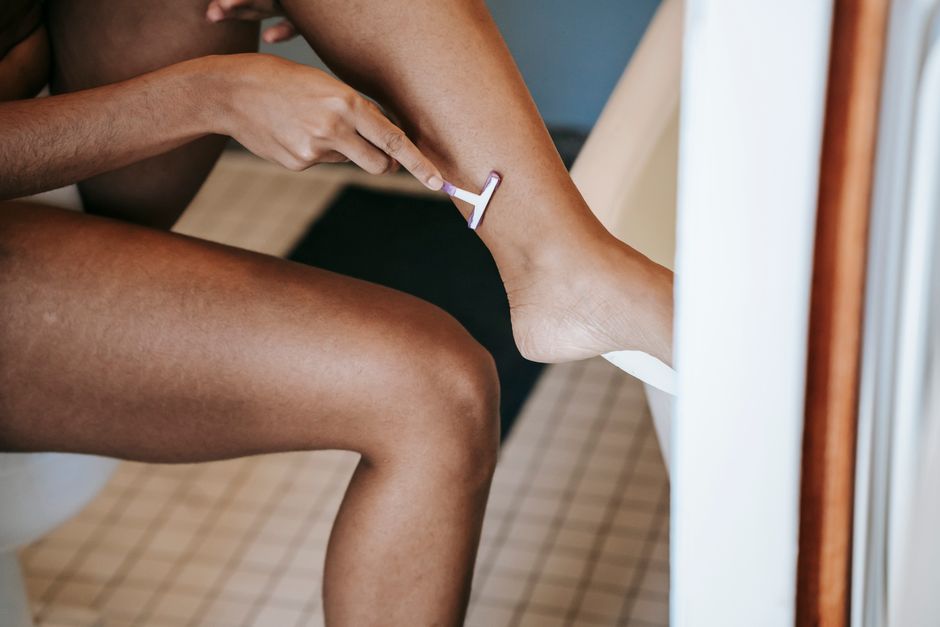
An ingrown hair happens when a hair curls back or grows sideways into your skin instead of up and out. The result is a small, often painful bump that can look red and irritated. To remove an ingrown hair, you need to stop shaving or tweezing the area for a few days, then gently exfoliate the skin and lift the trapped hair with a sterile needle or tweezers if the tip is visible. Never dig into your skin. If the bump is infected or painful, see a doctor instead.
What Causes an Ingrown Hair in the First Place?
Ingrown hairs are most common in people with curly or coarse hair. When you shave, wax, or pluck, the hair can be cut at an angle that makes it harder to grow straight out. Instead, it curls back and re-enters the skin.
The medical term is pseudofolliculitis barbae. It is most common on the face and neck in men, but it can happen anywhere you remove hair. The legs, armpits, and bikini area are also common spots.
Shaving too close to the skin is a major cause. When you pull the skin tight and shave against the grain, you increase the chance of the hair being cut below the skin surface. That hair then has no clear path out. Research published in the Journal of the American Academy of Dermatology found that shaving with a dull blade also raises the risk because it creates uneven cuts.
Tight clothing can make things worse. If you already have an ingrown hair, friction from jeans or workout gear can irritate the bump further and increase the chance of infection.
How Do You Remove an Ingrown Hair Safely at Home?
If you can see the hair loop or tip at the surface, you can remove it yourself. But you need to be careful. The skin around an ingrown hair is often inflamed, and poking at it can lead to infection or scarring.
Start by stopping any hair removal in that area for at least three to five days. This gives the skin time to calm down. Apply a warm compress for 10 to 15 minutes twice a day. The heat helps soften the skin and can bring the hair closer to the surface.
Once the hair is visible, clean a pair of tweezers and a needle with rubbing alcohol. Use the needle to gently lift the hair loop. Do not pull it out. You want to free the tip so it can grow out on its own. If you pull the hair completely out, it may grow back ingrown again.
After freeing the hair, clean the area with an antiseptic like witch hazel or diluted tea tree oil. Apply a thin layer of antibiotic ointment if the skin looks red. Do not cover it with makeup or heavy lotion for 24 hours.
Some people report success using over-the-counter products with salicylic acid or glycolic acid. These chemical exfoliants help remove dead skin cells that trap hairs. However, strong evidence for their effectiveness is limited. They may help prevent future ingrown hairs more than they help remove existing ones.
What Does Research Say About Preventing Ingrown Hairs?
Prevention is more effective than treatment. The American Academy of Dermatology recommends shaving in the direction of hair growth, not against it. This simple change reduces the chance of hairs being cut below the skin surface.
Using a single-blade razor or an electric trimmer instead of a multi-blade razor also helps. Multi-blade razors lift the hair and cut it below the skin, which is exactly what you want to avoid. A study in the Journal of Cosmetic Dermatology found that electric clippers set to leave stubble reduced ingrown hairs by 60 percent compared to traditional razors in men with pseudofolliculitis barbae.
Exfoliating before shaving can help. Use a gentle scrub or a soft brush to loosen dead skin cells. Do not scrub hard. Aggressive exfoliation can damage the skin and make things worse.
Moisturizing after shaving is important too. Dry skin can trap hairs as they try to grow out. A simple fragrance-free lotion is enough. There is no evidence that expensive post-shave products work better than basic moisturizers.
If you wax or use depilatory creams, the same prevention rules apply. Give your skin time between treatments. Waxing every two weeks is too often for many people. Stretching it to four weeks gives the hair follicles time to recover.



What Treatments Are Available from a Doctor?
If home removal does not work or the bump becomes infected, a dermatologist can help. Signs of infection include increasing redness, swelling, warmth, or pus. Some people also develop dark spots or scars from chronic ingrown hairs.
Doctors can remove deep ingrown hairs with a small incision using a sterile blade. This is quick and done in the office. They may also prescribe topical antibiotics if there is an infection.
For people who get ingrown hairs repeatedly, prescription treatments are available. Tretinoin cream helps by speeding up skin cell turnover so hairs do not get trapped. Topical corticosteroids can reduce inflammation but are not for long-term use.
Laser hair removal is the most effective long-term solution. It destroys the hair follicle so the hair stops growing. Research published in Lasers in Surgery and Medicine found that after three to six sessions, laser hair removal reduced ingrown hairs by 70 to 90 percent. It works best on people with dark hair and light skin, though newer lasers are effective for more skin types.
Electrolysis is another option for permanent removal. It uses an electric current to destroy each follicle individually. It takes longer than laser and can be more painful, but it works on all hair colors and skin types.
What Should You Avoid When Dealing with Ingrown Hairs?
Do not pick or squeeze an ingrown hair like a pimple. This pushes bacteria deeper into the skin and can cause a painful infection called cellulitis. It also increases the chance of permanent scarring or dark spots.
Do not use harsh scrubs or exfoliating brushes on an active ingrown hair. The skin is already inflamed, and physical scrubbing will make it worse. Stick to warm compresses and gentle cleansing until the redness goes down.
Do not keep shaving over the same spot. If you have an ingrown hair on your face, skip that area when you shave. Shaving over an ingrown hair cuts the skin and can re-trap the hair deeper.
Avoid tight clothing over ingrown hairs in the bikini area or legs. Tight leggings, shapewear, or jeans create friction that irritates the bump. Wear loose cotton clothing until the skin heals.
Do not use at-home hair removal creams on ingrown hairs. These products contain chemicals that can burn already irritated skin. Wait until the bump is completely healed before using depilatory creams again.
| Method | Works for active ingrown hair | Prevents future ingrown hairs | Evidence level |
|---|---|---|---|
| Warm compress and gentle lift | Yes | No | Strong clinical consensus |
| Salicylic acid products | Limited | Moderate | Some small studies support use |
| Shaving with the grain | No | Yes | Strong from dermatology guidelines |
| Laser hair removal | No | Yes | Strong from multiple clinical trials |
| Picking or squeezing | No | No | Strong evidence of harm |
When Is an Ingrown Hair Not Just an Ingrown Hair?
Sometimes what looks like an ingrown hair is something else. Folliculitis is an infection of the hair follicle that can look very similar. It causes red bumps that may have pus at the center. Unlike ingrown hairs, folliculitis is usually caused by bacteria or fungus and needs different treatment.
Boils and abscesses are deeper infections. They are larger, more painful, and feel warm to the touch. These require medical drainage and antibiotics. Do not try to pop or drain a boil at home.
Some people develop keloids or hypertrophic scars from chronic ingrown hairs. These are raised, thick scars that can be itchy or painful. They are more common in people with darker skin tones. Treatment options include steroid injections, silicone sheets, or laser therapy.
If you get ingrown hairs frequently in the same spot and they do not respond to home care, see a dermatologist. There may be an underlying issue like a blocked follicle or a skin condition that needs medical treatment.
Frequently Asked Questions
Can I pop an ingrown hair like a pimple?
No. Popping an ingrown hair pushes bacteria deeper into the skin and can cause infection or scarring. Use a warm compress and sterile tweezers instead.
How long does an ingrown hair take to heal?
Most ingrown hairs heal within one to two weeks if left alone. If you gently lift the trapped hair, healing is usually faster.
Does laser hair removal permanently stop ingrown hairs?
Laser hair removal destroys hair follicles so the hair cannot grow back. Most people see a 70 to 90 percent reduction after multiple sessions.
Is it safe to shave over an ingrown hair?
No. Shaving over an ingrown hair cuts the skin and can push the hair deeper. Skip that area until the bump is fully healed.
