
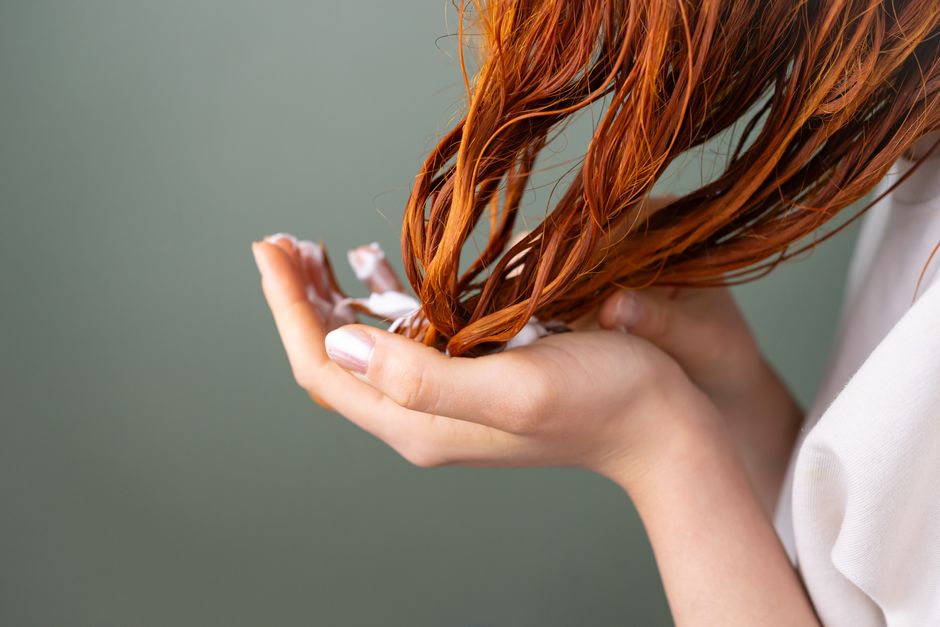
Getting hair that stays silky long-term is less about a single miracle product and more about changing how you treat your hair every day. Permanently silky hair comes from sealing the outer layer of each strand, called the cuticle, and keeping it closed. The most effective lasting treatments include salon-grade keratin smoothing, Brazilian blowouts, and Japanese thermal straightening, but their results depend entirely on your hair type and how well you maintain them at home.
What Actually Causes Hair to Lose Its Silkiness?
Hair feels rough when the cuticle is raised or damaged. Think of it like roof shingles. When they lie flat, water runs off. When they stick up, everything gets in. The same happens with hair strands.
The main causes of rough, frizzy hair are mechanical damage from brushing or heat styling, chemical damage from coloring or relaxing, and environmental factors like sun exposure and low humidity. Research published in the Journal of Cosmetic Science has confirmed that repeated wet-dry cycles cause the hair shaft to swell and contract, which eventually cracks the cuticle. This is why air-drying is not automatically better than blow-drying if your hair stays wet for hours.
Hard water is another overlooked culprit. Mineral buildup from tap water coats the hair and prevents moisturizers from penetrating. A simple shower filter can make a noticeable difference within a few washes for people in areas with hard water.
Does a Keratin Treatment Permanently Straighten Hair?
No keratin treatment is truly permanent. The word “permanent” is misleading in hair care. All smoothing treatments gradually wash out over weeks or months because hair grows and the product bonds break down.
Salon keratin treatments work by sealing hydrolyzed keratin protein into the hair shaft using heat. The result is smoother, shinier hair that resists frizz. Most treatments last between two and five months depending on how often you wash your hair and what products you use. The key to making them last is avoiding shampoos with sulfates, which strip the treatment faster.
There is a common myth that keratin treatments are dangerous because of formaldehyde. Some formulas do release formaldehyde gas when heated. The Occupational Safety and Health Administration (OSHA) has issued warnings about this. If you choose a keratin treatment, ask your stylist specifically whether the product is formaldehyde-free or uses a formaldehyde-releasing preservative. Brazilian Blowout is one brand that has reformulated to reduce formaldehyde, but you should always confirm with your salon.
How To Make Hair Silky Permanently Treatments That Last — What the Evidence Shows
Research on long-term hair smoothing is limited compared to skincare, but the available data points to three approaches with real staying power. Japanese thermal straightening, also called Yuko or thermal reconditioning, permanently changes the hair’s internal bonds using heat and chemicals. The results last until the hair is cut off. This is the closest thing to permanent silkiness available.
A study in the International Journal of Trichology found that thermal straightening produced smoother hair for up to six months with proper maintenance, while standard keratin treatments showed noticeable regression after eight weeks. The trade-off is that Japanese straightening damages hair more during the process. It is not recommended for already brittle or over-processed hair.
Another evidence-backed approach is the use of bonding treatments like Olaplex, which repair broken disulfide bonds inside the hair. These do not straighten hair, but they restore the internal structure that makes hair feel silky. When used consistently as a step in a broader routine, bonding treatments can produce lasting softness without the risks of chemical straightening.

What Are the Side Effects of Salon Smoothing Treatments?
Every chemical smoothing treatment carries risks. The most common side effects are hair breakage, scalp irritation, and temporary hair loss from the stress of the process. These are more likely when treatments are done too frequently or on already damaged hair.
Formaldehyde exposure is the most serious concern. The CDC has classified formaldehyde as a known carcinogen. Even “formaldehyde-free” treatments sometimes contain methylene glycol or other compounds that release formaldehyde when heated. Always ask for the safety data sheet of the product being used on your hair. A reputable salon will provide this without hesitation.
Japanese thermal straightening carries a specific risk called “overprocessing.” The hair becomes limp, brittle, and prone to snapping because the internal bonds have been permanently rearranged. This is irreversible. The only fix is cutting the damaged hair off as it grows out. If your hair is already color-treated or highlighted, most stylists will refuse to perform this service because the combined damage is too high.
What Home Care Makes Salon Treatments Last Longer?
Your maintenance routine determines whether a treatment lasts two months or five. The most important rule is to use sulfate-free shampoo and conditioner. Sulfates are harsh detergents that strip the treatment from the hair shaft. Look for products labeled “sulfate-free” and “silicone-free” because some silicones also build up and interfere with the treatment.
Cold water rinses help seal the cuticle after washing. You do not need to wash your entire head in cold water. Just a final rinse with cool water for 30 seconds makes a measurable difference in shine. A study in the Journal of Cosmetic Dermatology confirmed that cooler water reduces cuticle lifting compared to hot water.
Heat protectant sprays are non-negotiable if you use any hot tools. Without them, the high heat from flat irons or blow dryers will break down the treatment bonds faster. Apply a heat protectant to damp hair before blow-drying and again before flat-ironing. The best ones contain silicones or polymers that create a physical barrier between the heat and your hair.
Avoid chlorine and salt water as much as possible. Chlorine is especially damaging to keratin treatments. If you swim, wet your hair with clean water first and wear a swim cap. Rinse immediately after getting out of the pool. Some people find that a weekly clarifying shampoo helps remove buildup, but this must be sulfate-free to avoid stripping the treatment.
Comparison of Long-Lasting Silky Hair Treatments
| Treatment | Duration | Best For | Risks |
|---|---|---|---|
| Japanese Thermal Straightening | Until hair grows out | Very curly, coarse hair | High damage risk, irreversible |
| Keratin Smoothing Treatment | 2–5 months | Frizzy, wavy hair | Formaldehyde exposure possible |
| Brazilian Blowout | 3–4 months | Frizzy hair that needs flexibility | Lower formaldehyde than older formulas |
| Bonding Treatments (Olaplex) | Ongoing with use | Damaged, color-treated hair | Minimal; does not straighten |
| Regular Deep Conditioning | 1–2 days per wash | All hair types | None; temporary results |
What Daily Habits Ruin Silky Hair Without You Realizing?
Most people damage their hair with habits they think are harmless. Sleeping on cotton pillowcases is one of the biggest offenders. Cotton fibers create friction that roughs up the cuticle overnight. Switching to a silk or satin pillowcase reduces friction and helps treatments last longer. This is one of the cheapest and most effective changes you can make.
Brushing wet hair is another common mistake. Wet hair is weaker and more elastic than dry hair. Brushing it stretches and snaps the strands, creating split ends and roughness. Use a wide-tooth comb on wet hair instead of a brush. Start at the ends and work upward to avoid snagging.
Towel drying by rubbing your hair with a terry cloth towel causes micro-damage to the cuticle. The friction lifts the cuticle scales and creates frizz. Instead, gently squeeze excess water out with a microfiber towel or an old cotton t-shirt. These fabrics are smoother and absorb water without the rough scrubbing motion.
Heat styling at too high a temperature is a problem even with a heat protectant. Most flat irons do not need to go above 365°F (185°C) for effective smoothing. Higher temperatures increase the risk of burning the treatment off the hair and causing permanent damage. A good heat protectant can only do so much if the iron is set to 450°F.
Are There Any Natural Ways to Make Hair Permanently Silky?
There is no natural treatment that permanently changes hair structure. Hair is dead protein once it grows out of the scalp. No oil, mask, or herb can permanently alter its texture. That said, some natural ingredients can improve the appearance of silkiness by temporarily smoothing the cuticle.
Coconut oil is one of the few natural substances shown to penetrate the hair shaft. A study in the Journal of Cosmetic Science found that coconut oil reduced protein loss in hair compared to mineral oil and sunflower oil. It does not straighten hair, but it does make it feel softer and look shinier for a day or two after application.
Aloe vera gel applied as a mask can help reduce frizz because it coats the hair and seals moisture in. Some people report that consistent use over months improves the overall condition of their hair, but this is not the same as a permanent change. The effect stops when you stop using it.
Apple cider vinegar rinses are widely claimed to smooth hair by balancing pH. The science is thin. There is no strong evidence that vinegar permanently changes hair texture. At best, it removes mineral buildup from hard water, which can temporarily improve shine. Overuse can actually dry hair out. Once a week is plenty if you try it.
What natural methods cannot do is change the internal bonds of curly or wavy hair. If you want a permanent texture change, you need a chemical treatment. That is the honest reality that many natural beauty articles skip over.
Common Misconceptions About Silky Hair Treatments
The biggest myth is that expensive salon treatments are always better than at-home kits. Some at-home keratin smoothing kits contain the same active ingredients as salon versions, just at lower concentrations. They are safer to apply yourself but the results are weaker and fade faster. For true long-lasting smoothness, professional application with higher heat is usually necessary.
Another myth is that you can repair split ends. No product can glue a split end back together. Once the hair is split, the only fix is cutting it. Products that claim to “repair” split ends simply coat them temporarily so they feel smoother. The split is still there. Trimming your hair every 8 to 12 weeks prevents splits from traveling up the shaft and causing more damage.
There is also a widespread belief that air-drying is always healthier than blow-drying. The truth is more complicated. Prolonged wetness causes the hair to swell and the cuticle to lift, which can actually increase damage over time. A 2011 study in the Journal of the Society of Cosmetic Chemists found that blow-drying at a moderate distance caused less surface damage than air-drying for 12 hours. The key is using low heat and keeping the dryer moving rather than concentrating on one spot.
Frequently Asked Questions
How long do salon keratin treatments actually last?
Most salon keratin treatments last between two and five months. The exact duration depends on your hair type, how often you wash, and whether you use sulfate-free products.
Can I use hair oil to make my hair silky permanently?
No oil can permanently change your hair texture. Oils like coconut and argan coat the hair and temporarily improve shine and softness, but the effect washes out.
Is Japanese thermal straightening safe for colored hair?
Most stylists will not perform Japanese thermal straightening on color-treated hair. The chemicals are too harsh and can cause severe breakage or hair loss.
What is the cheapest way to get silky hair that lasts?
The most cost-effective approach is a sulfate-free routine with a silk pillowcase and regular trims. These habits prevent damage and keep your hair smooth without salon costs.
