
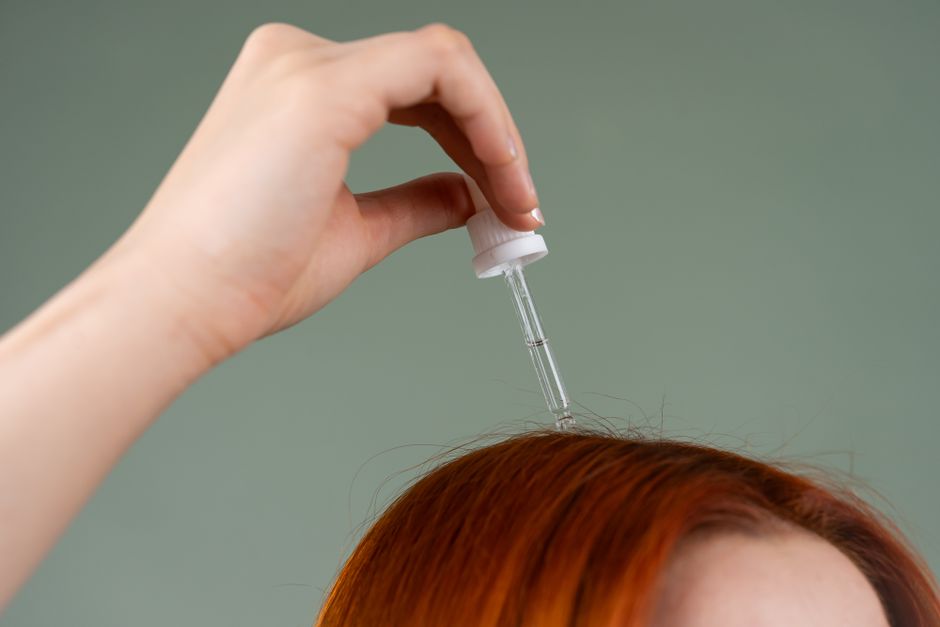
Hair loss in women over 60 is common, but it is not something you just have to accept. The best treatments for stopping hair loss in elderly women are topical minoxidil (Rogaine), low-level laser therapy, and addressing underlying health issues like iron deficiency or thyroid problems. These approaches have the strongest evidence behind them, and they work best when started early.
What Actually Causes Hair Loss in Older Women?
Hair loss in older women is not the same as male pattern baldness. Most women experience a gradual thinning across the top of the scalp, not a receding hairline. This is called female pattern hair loss, and it affects about 40 percent of women by age 50, according to the American Academy of Dermatology.
The main driver is hormonal change. After menopause, estrogen and progesterone levels drop, which changes how hair follicles behave. Hair follicles shrink over time, producing thinner and shorter hairs. Genetics also plays a role. If your mother or grandmother had thinning hair, you are more likely to experience it too.
Other causes are often overlooked. Iron deficiency is surprisingly common in older women, especially if you have a history of heavy periods or a vegetarian diet. The CDC reports that nearly 10 percent of women over 50 have iron deficiency anemia. Low thyroid function, called hypothyroidism, can also trigger hair shedding. Stress, medications like blood thinners, and certain autoimmune conditions are other possible contributors.
Here is a key point many miss: hair loss in elderly women is often multifactorial. It is rarely just one thing. That means the best approach is to check for multiple causes at once.
Does Minoxidil (Rogaine) Work for Older Women?
Yes. Minoxidil is the most studied treatment for female pattern hair loss, and it works in women of all ages. Research published in the Journal of the American Academy of Dermatology found that 5 percent minoxidil foam applied once daily significantly increased hair regrowth in women over 60. The effect was visible after 24 weeks.
Minoxidil works by stimulating hair follicles to enter the growth phase and stay there longer. It does not affect hormones. It is a topical solution you apply directly to the scalp. The 5 percent strength is now recommended over the 2 percent strength for women, based on clinical trial results.
Here is what you need to know about using it. Results take time. You will not see improvement for at least three to six months. You must use it every day without skipping. If you stop, the hair loss will return within a few months. Some women experience an initial shedding phase in the first few weeks. This is normal and means the treatment is working. The old hairs are shedding to make room for new growth.
Side effects are usually mild. Scalp irritation, redness, or itching can occur. Unwanted facial hair growth is possible if the solution drips onto your face. Applying it carefully and washing your hands after use prevents this.
What Does Research on Low-Level Laser Therapy Show?
Low-level laser therapy, or LLLT, is another option with decent evidence. The idea is that red light wavelengths stimulate blood flow and energy production in hair follicles. Several studies, including a 2019 review in Lasers in Medical Science, found that LLLT improved hair density and thickness in women with female pattern hair loss.
The devices come as helmets, caps, or combs. You use them at home for about 15 to 30 minutes several times per week. The evidence is moderate but growing. Not all devices are equal. Look for ones cleared by the FDA, which means they have met basic safety and effectiveness standards.
LLLT is painless and has almost no side effects. The main downside is cost. Good devices range from 300 to 800 dollars, and insurance rarely covers them. You also need to commit to regular use for months to see results.
Some women combine LLLT with minoxidil. There is no evidence that using both is harmful, and some small studies suggest a small added benefit. But the research is not strong enough to say this combination is definitely better than minoxidil alone.





What About Hormone Therapy or Supplements?
Hormone therapy for hair loss in older women is a complicated topic. Some doctors prescribe spironolactone, a medication that blocks androgen hormones. Androgens like testosterone can shrink hair follicles in genetically susceptible women. Research shows spironolactone can help, but it is not FDA-approved specifically for hair loss. It is used off-label.
Spironolactone can lower blood pressure and increase potassium levels, so it requires regular blood tests. It is not recommended if you have kidney problems or take certain blood pressure medications. The evidence for its effectiveness in women over 60 is limited compared to younger women.
Bioidentical hormone replacement therapy, or BHRT, is widely claimed to help hair loss. This is where the hype far exceeds the evidence. There are no large, well-designed clinical trials showing that BHRT reverses hair loss in older women. Some women report improvement, but strong evidence is lacking. Talk to your doctor about the risks, which include blood clots and breast cancer risk, before considering this route.
Supplements like biotin, collagen, and vitamin D are popular, but the evidence is weak. Biotin deficiency is extremely rare, and taking extra biotin does not help unless you are actually deficient. A 2020 review in Dermatology and Therapy concluded that there is insufficient evidence to recommend biotin for hair loss in people without a confirmed deficiency. Iron supplements help only if you have low iron levels. Getting a blood test before starting any supplement is the smart move.
How To Stop Hair Loss In Elderly Women Best Treatments: A Practical Comparison
Here is a simple table comparing the main treatments based on evidence, cost, and ease of use.
| Treatment | Evidence Level | Typical Cost | Time to Results |
|---|---|---|---|
| Topical minoxidil 5% | Strong | $15-30 per month | 3-6 months |
| Low-level laser therapy | Moderate | $300-800 one-time | 4-6 months |
| Spironolactone (oral) | Moderate | $10-30 per month | 6-12 months |
| Iron supplements (if deficient) | Strong for deficiency | $5-15 per month | 3-6 months |
| Biotin or collagen supplements | Weak | $10-40 per month | No evidence |
What About Hair Transplantation or PRP?
Platelet-rich plasma therapy, or PRP, involves drawing your blood, spinning it to concentrate the platelets, and injecting it into your scalp. The theory is that growth factors in platelets stimulate hair follicles. Some studies show modest improvement in hair density, but the evidence is mixed. A 2021 review in Dermatologic Surgery found that PRP may help, but results vary widely between studies. It is expensive, usually 500 to 1500 dollars per session, and you need multiple sessions. Insurance does not cover it.
Hair transplantation is an option for some women, but it is not suitable for everyone. The procedure moves hair follicles from the back of the scalp to thinning areas. It works best when you have a stable donor area with good hair density. Many older women have thinning across the entire scalp, which makes them poor candidates. The cost is high, typically 4000 to 15000 dollars. It is a surgical procedure with risks like infection and scarring.
Neither PRP nor transplantation has been studied specifically in elderly women. Most research includes women in their 30s and 40s. That does not mean they do not work for older women, but it means the evidence is less certain.
What to Avoid and What to Do First
Avoid the hype. Internet ads for “hair growth shampoos,” “natural oils,” and “scalp serums” rarely have any clinical evidence behind them. Rosemary oil is sometimes mentioned as a natural alternative to minoxidil. One small 2015 study did find that rosemary oil performed similarly to minoxidil after six months. But it was a tiny study with only 100 participants, and it has not been replicated. It is not a proven replacement.
Do not waste money on hair growth vitamins without a blood test first. Many companies market expensive multivitamins that contain far more than you need. Your body will just excrete the excess.
Here is what to do first. Make an appointment with a dermatologist who specializes in hair loss. Ask for a blood test that checks your iron levels, ferritin (iron storage), thyroid function, vitamin D, and zinc. A scalp biopsy may be needed if the cause is unclear. Once you know what you are dealing with, you can choose a treatment that actually targets the problem.
Be patient. Hair grows slowly, about half an inch per month. You will not see results overnight. The best approach is to pick one evidence-based treatment, use it consistently for at least six months, and then evaluate. Switching treatments every few weeks will not work.
Frequently Asked Questions
Can hair loss in elderly women be reversed?
It depends on the cause. Female pattern hair loss can be slowed and partially reversed with treatments like minoxidil. Hair loss from iron deficiency or thyroid issues often improves once the underlying condition is treated.
Is minoxidil safe for women over 70?
Yes. Minoxidil is safe for women over 70 when used as directed. The main concern is avoiding contact with the face to prevent unwanted hair growth. Check with your doctor if you have heart conditions or take blood pressure medication.
Does wearing hats cause hair loss in older women?
No. Wearing hats does not cause hair loss. This is a common myth. Hats do not pull on the hair roots or restrict blood flow enough to affect hair growth.
What vitamin deficiency causes hair loss in elderly women?
Iron deficiency is the most common cause. Low vitamin D and low zinc levels can also contribute. A blood test is the only reliable way to know if you are deficient.
