
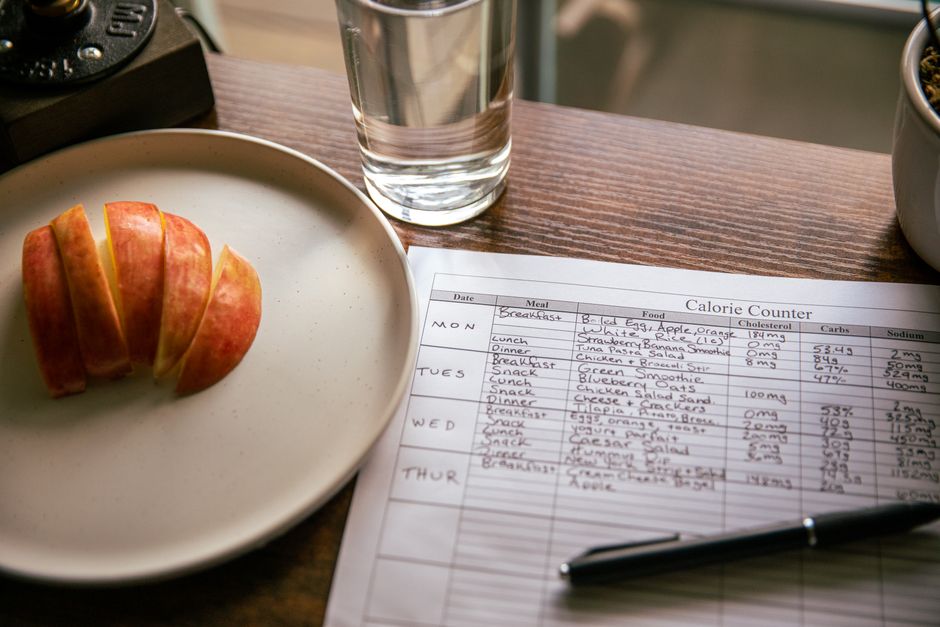
Counting macros is a method of tracking food by its three main energy sources: protein, carbohydrates, and fat. You set daily gram targets for each, then track what you eat against those targets using a food scale and a tracking app. The core process is simple: weigh your food, log it, and adjust your intake based on your goals.
What Are Macros and Why Do People Count Them?
Macros, short for macronutrients, are the nutrients your body needs in large amounts. They are protein, carbohydrates, and fat. Each one provides calories: protein and carbs each provide 4 calories per gram, while fat provides 9 calories per gram. Alcohol also provides calories, about 7 per gram, but it is not considered a macro for tracking purposes.
People count macros for different reasons. Some want to build muscle, which requires adequate protein. Others want to lose fat, which requires a calorie deficit. Counting macros is a structured way to control calorie intake while making sure you get enough protein. It is more precise than simply eating less, because it forces you to look at the composition of your food, not just the quantity.
How Do You Count Macros Steps Grams Tracking?
The first step is determining your daily calorie needs. This is based on your age, sex, weight, height, and activity level. You can find online calculators that estimate your total daily energy expenditure, or TDEE. This number is your maintenance calories — the amount you need to eat to stay the same weight.
From there, you set a goal. For weight loss, you typically reduce that number by 300-500 calories per day. For muscle gain, you add a modest surplus. Then you split those calories into macro targets. A common starting split for general fitness is 30% protein, 40% carbohydrates, and 30% fat. But these percentages are flexible and should be adjusted to fit your preferences and needs.
Once you have your gram targets, you track your food. Weigh raw ingredients on a food scale before cooking. Log everything in a tracking app like MyFitnessPal, Cronometer, or Lose It. The app does the math for you, showing how many grams of each macro you have left for the day.
Consistency matters more than perfection. Missing a target by a few grams on any given day will not derail your progress. What matters is the average over weeks and months.
Do You Need a Food Scale to Count Macros?
A food scale is the most accurate tool for counting macros. Measuring cups and spoons are estimates, and they are often wrong. A cup of chopped chicken can vary by 30% or more in weight depending on how tightly it is packed. A food scale removes that guesswork.
You weigh food in grams. Place your plate or bowl on the scale, zero it out, add the food, and record the weight. For packaged foods, check the nutrition label for the serving size in grams, not cups or pieces. Weigh the actual portion you are eating, not the amount you think you are eating.
Weighing food raw is usually more accurate than weighing it cooked. Cooking changes water content, which changes weight. A 100-gram raw chicken breast might weigh only 75 grams after cooking. The nutrition label for raw chicken is based on the raw weight, so weighing it raw keeps your numbers consistent.




What Tracking App Should You Use?
Tracking apps are nearly essential for counting macros. Doing the math by hand is possible but tedious and error-prone. Apps have large food databases and barcode scanners that make logging fast.
MyFitnessPal has the largest food database, but it is also full of user-uploaded entries that can be inaccurate. Cronometer is more reliable because it pulls data from official nutrition databases and validates entries. Lose It is a solid middle ground with a clean interface and good barcode scanning.
Whichever app you choose, check the entries you use. Look for entries that match the exact brand and serving size on your food label. If a user-uploaded entry looks wrong, find another one. Accuracy starts with the data you enter.
How to Set Your Protein, Carb, and Fat Targets
Protein is the most important macro to get right. Research consistently shows that higher protein intake supports muscle retention during weight loss and muscle growth during a surplus. A common recommendation is 1.6 to 2.2 grams of protein per kilogram of body weight per day for active people. For a 180-pound person, that is roughly 130 to 180 grams of protein daily.
Fat is essential for hormone production and nutrient absorption. Most guidelines suggest keeping fat between 20% and 35% of total calories. Dropping below 20% for long periods can cause hormonal issues, especially for women.
Carbohydrates fill the remaining calories. Carbs are not essential in the same way protein and fat are, but they are the primary fuel for high-intensity exercise and are found in many nutrient-dense foods like fruits, vegetables, and whole grains. Most people feel better with carbs making up 40% to 50% of their calories.
These ranges are starting points. Your optimal split depends on your training, preferences, and how your body responds. Adjust one variable at a time and give it a few weeks before changing anything else.
Common Mistakes When Counting Macros
The most common mistake is not weighing food at all. People estimate portions by eye and wonder why their results stall. Another frequent error is forgetting to track cooking oils, sauces, and condiments. A tablespoon of olive oil is 14 grams of fat and about 120 calories. Two tablespoons on a salad is a significant amount of your daily fat target.
Another mistake is relying on restaurant nutrition information. Restaurant meals are rarely accurate to the gram, and portion sizes vary. If you eat out often, counting macros becomes much harder. You can still do it, but you must accept a higher margin of error.
People also confuse volume with weight. A cup of shredded cheese weighs less than a cup of cubed cheese. A cup of flour weighs more than a cup of oats. Always weigh in grams, not cups, when accuracy matters.
Do You Need to Track Steps Too?
Steps and macros are separate tracking systems, but they work well together. Steps measure your daily movement and non-exercise activity. This matters because your activity level determines your calorie needs. If you track macros but your step count drops, your maintenance calories drop too, and your macro targets may become inaccurate.
Most fitness trackers and phones count steps automatically. A common target is 8,000 to 10,000 steps per day, though this is not a rigid medical guideline. It is a reasonable benchmark for general activity. If you are trying to lose weight, increasing your steps is an effective way to create a larger calorie deficit without formal exercise.
You do not need to sync your step data with your macro tracking app. You just need to be aware of your activity level when setting and adjusting your calorie targets. If you start walking 3,000 more steps per day, you may need to eat slightly more to avoid losing weight faster than intended.
Is Counting Macros Right for Everyone?
Counting macros is not necessary for everyone. Many people achieve their health goals with simpler approaches like eating more vegetables, choosing whole foods, and controlling portion sizes. Macro counting is a tool, not a requirement.
For some people, macro counting can become obsessive. If tracking food causes anxiety or interferes with your social life, it may not be the right approach for you. There is no evidence that macro counting is superior to other structured eating patterns for long-term health. It works because it forces awareness and accountability, not because the specific numbers have magical properties.
If you have a history of disordered eating, talk to a healthcare professional before starting any strict tracking regimen. A registered dietitian can help you determine whether macro counting is appropriate and how to do it in a healthy way.
Frequently Asked Questions
How many grams of protein should I eat per day?
Most active adults should aim for 1.6 to 2.2 grams of protein per kilogram of body weight daily. That equals roughly 0.7 to 1 gram per pound of body weight.
Do I need to weigh my food raw or cooked?
Weigh food raw whenever possible because nutrition labels are based on raw weight. Cooking changes water content and shifts the weight, which makes cooked measurements inconsistent.
Can I count macros without a food scale?
You can, but accuracy drops significantly. Measuring cups and visual estimates can be off by 30% or more, which can stall progress or cause unintended weight changes.
How long does it take to see results from counting macros?
Most people notice changes in 2 to 4 weeks if they are consistent with their targets. Body weight changes take longer to appear than energy levels or strength improvements.
