
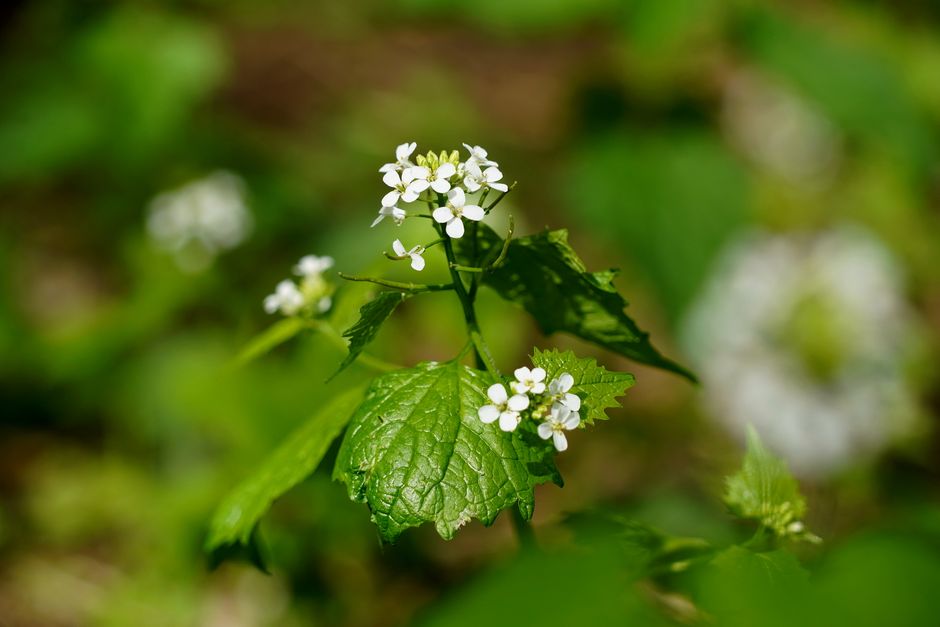
Soapwort is an aggressive spreader that can take over garden beds and crowd out neighboring plants. It spreads by both seeds and creeping roots, which makes it difficult to remove once established. The plant is considered invasive in many parts of North America, particularly in the western United States, where it displaces native vegetation along waterways and roadsides. Controlling it requires persistence and a combination of methods rather than a single treatment.
What Makes Soapwort So Invasive?
Soapwort has several biological traits that make it a successful invader. It produces a large number of seeds each season, and those seeds can remain viable in the soil for years. When you pull up the plant but leave seeds behind, new plants will sprout in the same spot next season.
The root system is the bigger problem. Soapwort develops a deep taproot along with spreading lateral roots. Each piece of root left in the ground — even a small fragment — can grow into a new plant. This is why digging it up once is rarely enough to eliminate it.
The plant also tolerates poor soil, drought, and partial shade. It thrives in disturbed areas like roadsides, ditches, and abandoned lots, which are common places for invasive plants to gain a foothold. Once soapwort establishes itself, it forms dense patches that shade out smaller native plants.
How Does Soapwort Spread in Your Garden?
Soapwort spreads through two main pathways: seed dispersal and vegetative reproduction. Understanding both is key to controlling it.
Seeds are released from capsules that open when dry. Wind, water, and animals all carry them to new locations. If you compost soapwort that has gone to seed, you may be spreading viable seeds into your garden when you use that compost.
Vegetative spread happens underground. The roots extend outward from the original plant, sending up new shoots along their length. This means a single plant can become a patch several feet wide within a couple of growing seasons. Mowing or cutting the tops off does not kill the roots — it only encourages more shoot growth.
Garden tools can also spread soapwort. If you dig in an infested area and then move to a clean bed without cleaning your tools, you can transfer root fragments that will start new plants.
Is Soapwort Invasive How To Control Its Spread Effectively
Effective control requires removing the entire root system or repeatedly exhausting the plant’s energy reserves. There is no single method that works in one pass.
Hand pulling works best when the soil is moist and the plants are young. Pull slowly and try to get as much of the root as possible. Use a garden fork to loosen the soil around the root before pulling. If the root breaks, dig out the remaining piece with a trowel.
For larger patches, smothering is a practical option. Cover the area with thick cardboard or several layers of newspaper, then top it with mulch. This blocks light and prevents shoots from emerging. Leave the covering in place for at least one full growing season. Check periodically for shoots pushing through the edges and remove them.
Repeated cutting or mowing can weaken soapwort over time. The plant needs its leaves to produce energy for the roots. Cutting it down every time new growth appears forces the roots to use stored energy without replenishing it. This method takes patience — often a full season or more — but it avoids chemicals.
Herbicides are an option for large infestations, but they come with caveats. A systemic herbicide applied to the leaves will travel down to the roots and kill the entire plant. However, these products can harm nearby desirable plants and may persist in the soil. If you choose this route, apply carefully on a calm day and follow all label instructions. Some gardeners find that repeated applications are necessary because new seedlings continue to emerge from the seed bank.





Preventing Soapwort From Coming Back
Prevention is easier than removal. Once you have cleared an area, take steps to keep soapwort from re-establishing.
Plant dense ground covers or competitive perennials in cleared areas. Bare soil invites weeds, including soapwort seedlings. A thick planting of desirable species leaves little room for invaders to take hold.
Mulch new garden beds with a 2-3 inch layer of organic mulch. This suppresses seedling germination and makes it easier to spot and remove any soapwort that does appear.
Inspect new plants before bringing them home from nurseries or garden swaps. Soapwort can hide in the root balls of other perennials. Wash off soil from bare-root plants and check for thin, wiry roots that look different from the main root system.
Do not compost soapwort with seeds or roots unless your compost pile gets hot enough to kill them. Most home compost piles do not reach the sustained temperatures needed to destroy weed seeds and root fragments. Bag the plant material and dispose of it in the trash instead.
Soapwort Look-Alikes: Make Sure You Have the Right Plant
Before you invest time in removal, confirm that the plant in your garden is actually soapwort. Several common garden plants look similar.
Soapwort has oval-shaped leaves that grow in pairs along the stem. The flowers are five-petaled and range from white to pale pink. They grow in clusters at the top of the stems. The plant typically reaches 1-2 feet tall, though it can grow taller in rich soil.
Baby’s breath produces similar small white flowers but has a different growth habit with many branching stems. Phlox also resembles soapwort at a glance, but phlox leaves are narrower and the flowers have a distinct tubular base.
If you are unsure, crush a leaf and smell it. Soapwort has a mild, soapy scent when crushed. The name comes from the plant’s historical use as a natural cleanser — the roots contain saponins that create a lather in water. This foaming property is a reliable identification test.
Natural Alternatives to Consider Planting Instead
If you like the look of soapwort but want a plant that stays where you put it, several native alternatives offer similar appeal.
Wild geranium produces delicate pink to purple flowers and spreads slowly without becoming aggressive. It thrives in partial shade and well-drained soil.
Wild bergamot offers showy lavender flowers and attracts pollinators. It spreads at a moderate pace but is much easier to manage than soapwort.
Butterfly milkweed provides bright orange flowers and serves as a host plant for monarch butterflies. It grows in clumps and does not spread aggressively.
Each of these plants supports local ecosystems in ways that soapwort does not. Native insects and birds have evolved alongside these species, while soapwort provides little ecological value in North America.
What Happens if You Leave Soapwort Alone
Leaving soapwort unchecked has consequences beyond your garden borders. The plant escapes into natural areas and competes with native vegetation.
Along waterways, soapwort forms dense stands that crowd out riparian plants. These native plants hold soil in place and provide habitat for wildlife. When soapwort replaces them, erosion can increase and the ecosystem becomes less diverse.
In some regions, soapwort is classified as a noxious weed. This classification can come with legal obligations for landowners to control it. Check with your local extension office to understand the rules in your area.
The plant also affects agriculture in some regions. It can reduce forage quality in pastures and interfere with crop production along field edges. While it is not toxic to livestock, it is unpalatable and reduces the value of hay if it contaminates a cutting.
When to Call for Professional Help
Some infestations are too large or too established for a homeowner to handle alone. If soapwort has spread across a large area, or if it has colonized a slope or wetland, professional help may be warranted.
Professional landscapers and restoration ecologists have access to tools and products not available to the general public. They can also develop a multi-year management plan tailored to your property.
Your local cooperative extension service is a good first resource. They can confirm the identification, advise on control methods specific to your region, and connect you with qualified professionals if needed.
Frequently Asked Questions
Does soapwort spread by its roots?
Yes, soapwort spreads through creeping roots that send up new shoots along their length. Any root fragment left in the soil can grow into a new plant.
Can I compost soapwort plants I have pulled up?
Only if your compost pile reaches high sustained temperatures, which most home compost piles do not. Otherwise, bag the plant material and put it in the trash to prevent seeds and roots from spreading.
Is soapwort safe to grow in a contained area?
Soapwort can be grown in a container or a buried pot to limit root spread, but seeds will still scatter into surrounding soil. Regular deadheading before seeds form is essential if you choose to keep it.
How long does it take to get rid of soapwort?
Most infestations require at least one full growing season of consistent effort. Established patches may take two or three seasons to fully eliminate because seeds remain viable in the soil for years.
