
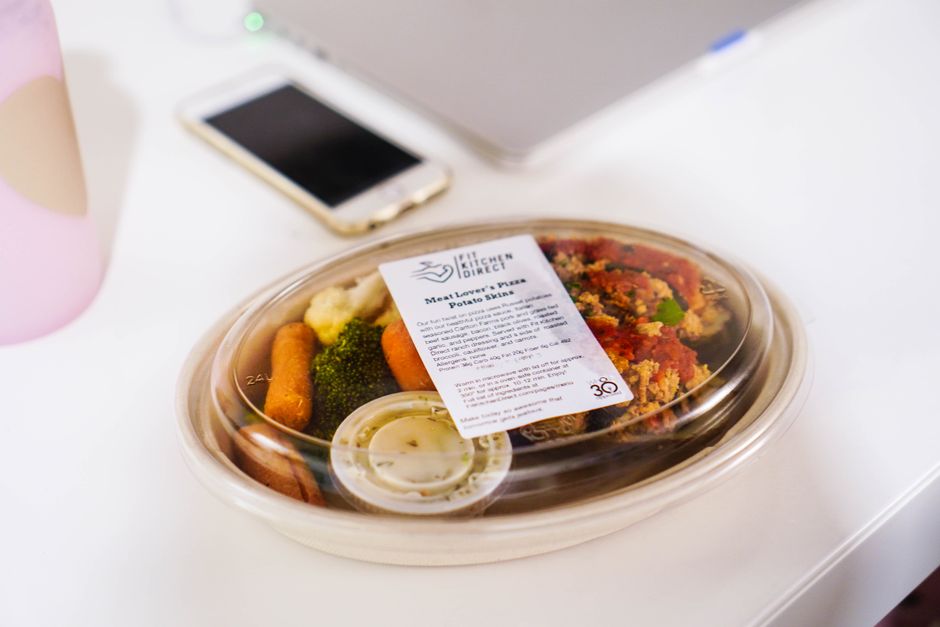
Microwave-safe labels can be confusing. You look at the bottom of a plastic container and see a number inside a triangle of arrows. If that number is 5, you are looking at polypropylene. The short answer is yes, PP5 is generally considered microwave-safe. But that label only tells part of the story. How you use the container matters just as much as the plastic it is made from.
What Does the PP5 Label Actually Mean?
The number 5 inside the chasing arrows symbol identifies the plastic as polypropylene. This is a type of thermoplastic polymer used widely in food storage containers, yogurt cups, and reusable water bottles. The Resin Identification Code was created to help recycling facilities sort plastics, not to tell consumers about food safety. Still, the code has become a useful shorthand.
Polypropylene has a high melting point compared to other common plastics. It softens at temperatures well above what a microwave produces during normal heating. That is why manufacturers use it for containers meant to go from fridge to microwave. The plastic resists warping and does not break down easily under heat.
When a container is labeled microwave-safe, it means the manufacturer tested it according to FDA guidelines. The test checks whether the container releases harmful substances into food when heated. If it passes, the label goes on. PP5 is the most common plastic that passes this test.
How Heat Affects Polypropylene
Heat does not make polypropylene melt instantly in a microwave. A typical microwave heats food to around 212°F (100°C) as water boils. Polypropylene does not begin to soften until it reaches roughly 266°F (130°C). That leaves a safety margin for normal use.
The concern is not melting. It is chemical migration. When plastic is heated, small amounts of its components can move into the food. For polypropylene, the migration rate is very low at normal microwave temperatures. Studies have shown that heating polypropylene does not release significant amounts of harmful chemicals under standard conditions.
This is different from other plastics. Polycarbonate, which is plastic number 7, can release bisphenol A (BPA) when heated. Polystyrene, number 6, can leach styrene. Polypropylene does not contain BPA and is not associated with the same leaching problems.
When PP5 Is Not Safe to Microwave
The plastic itself may be microwave-safe, but the container might not be. Look at the whole container before you put it in the microwave. A PP5 lid may not have the same rating as the base. Many lids are made from a different plastic or have a softer grade that can warp.
Check for damage. Scratches, cracks, and cloudiness mean the plastic has degraded. Damaged plastic can release more particles into food. If a PP5 container looks worn, replace it.
Do not microwave empty PP5 containers. Without food or liquid to absorb the microwave energy, the container itself can overheat. The plastic can reach temperatures high enough to melt or burn. Always heat food or liquid in the container, never the container alone.
High-fat foods are another consideration. Fats get hotter than water in a microwave. Oil can reach temperatures above the softening point of polypropylene. If you are reheating something greasy, use a glass container instead.


What about BPA and Other Chemicals?
Polypropylene does not contain BPA. BPA is used to make polycarbonate plastics and epoxy resins, not polypropylene. If you are looking for BPA-free plastic, PP5 is a reasonable choice.
That does not mean polypropylene is chemically inert. No plastic is completely inert. The question is whether the amount of chemicals that migrate is harmful. For polypropylene, the evidence suggests the amounts are very small.
Some research has looked at endocrine-disrupting chemicals in food packaging. Most of that research focuses on plastics like polycarbonate and PVC. Polypropylene has not been the subject of the same level of concern. Some studies suggest that even polypropylene can release estrogen-like chemicals under certain conditions, but the findings are not consistent and the clinical significance is unclear.
The evidence on this is still developing. What is clear is that polypropylene performs better than most other plastics in heat tests. If you want to minimize plastic exposure entirely, glass and ceramic are always options.
How to Microwave PP5 Safely
Follow these steps to reduce risk when using PP5 containers in the microwave.
- Check the bottom of the container for the microwave-safe symbol or label. If it says microwave-safe and shows a 5, it is suitable.
- Remove the lid unless it is also labeled microwave-safe. Most lids are not designed for high heat.
- Transfer food to a glass or ceramic dish if the PP5 container looks old, scratched, or stained.
- Heat in short intervals and stir the food to distribute heat evenly.
- Never microwave a PP5 container that is empty or nearly empty.
- Let the container cool before handling. Polypropylene does not get as hot as glass, but it can still cause burns.
These steps are practical, not paranoid. They follow the same guidance that food safety agencies give for plastic containers in general.
Is PP5 Better Than Other Plastic Numbers?
Compared to other plastics, PP5 is one of the better options for microwave use. Plastic number 1 (PET) is not microwave-safe. Plastic number 3 (PVC) contains phthalates and should never be heated. Plastic number 6 (polystyrene) can release styrene when heated. Plastic number 7 is a catch-all category that may or may not contain BPA.
PP5 sits in a much better position. It resists heat, does not contain BPA, and has a low migration rate. The main competitor is plastic number 2 (HDPE), which is also considered safe but is less commonly used for microwave containers.
Even with PP5, the safest approach is to use glass or ceramic when you have the option. Plastic is convenient, but it is not the best material for repeated heating. Glass does not leach chemicals and does not degrade with use.
Common Myths about Microwaving Plastic
One myth is that microwaving plastic causes cancer. There is no evidence that microwaving PP5 containers increases cancer risk. The chemicals that have been linked to cancer, like dioxins, are not found in polypropylene. Dioxins form when certain plastics burn at very high temperatures, not when food is reheated in a microwave.
Another myth is that all plastic releases toxins when heated. That is not accurate. Different plastics behave differently. PP5 is specifically designed to handle heat and has been tested for safety.
A third myth is that the microwave itself makes plastic dangerous. The microwave does not change the plastic. It heats the food, and the heat transfers to the container. The same container used in a conventional oven at the same temperature would behave the same way.
Signs Your PP5 Container Needs Replacing
Plastic does not last forever. Over time, PP5 containers degrade. Heat cycles, washing, and physical stress all take a toll.
Look for these signs that a container should be retired:
- Visible cracks or splits
- Deep scratches on the interior surface
- Cloudiness or discoloration that does not wash off
- Warping or distortion of the shape
- A persistent odor even after washing
When a container shows any of these signs, stop using it in the microwave. The structural integrity is compromised, and the plastic may release more particles into food. Replace it with a new PP5 container or switch to glass.
What the Evidence Actually Shows
Regulatory agencies like the FDA have approved polypropylene for food contact. That approval covers microwave use when the container is labeled accordingly. The approval is based on migration testing that measures how much of the plastic moves into food under simulated cooking conditions.
The migration levels for polypropylene are well below the thresholds set by regulators. This is not a close call. Polypropylene passes these tests by a wide margin.
Some independent research has raised questions about whether the testing methods reflect real-world use. For example, repeated heating and washing may cause more migration than a single test. But the evidence for significant harm from PP5 is not there. The studies that show effects often use conditions that do not match how people actually use these containers.
Frequently Asked Questions
Can I microwave PP5 plastic every day?
Yes, daily use of a PP5 container that is in good condition and labeled microwave-safe is considered acceptable. The migration levels remain low even with repeated heating, though glass is a better choice if you want to minimize plastic exposure entirely.
Does PP5 contain BPA?
No, polypropylene does not contain BPA. BPA is used in polycarbonate plastics and epoxy resins, not in polypropylene.
Why do some PP5 containers melt in the microwave?
Melting usually happens when a container is microwaved empty, heated with high-fat food, or used past its lifespan. The plastic grade may also be a softer type that is not meant for repeated heating.
Is PP5 safe for hot liquids like soup?
Yes, PP5 can handle hot liquids at boiling temperature. The softening point of polypropylene is above the boiling point of water, so soup and similar foods are safe to heat in a PP5 container.
