
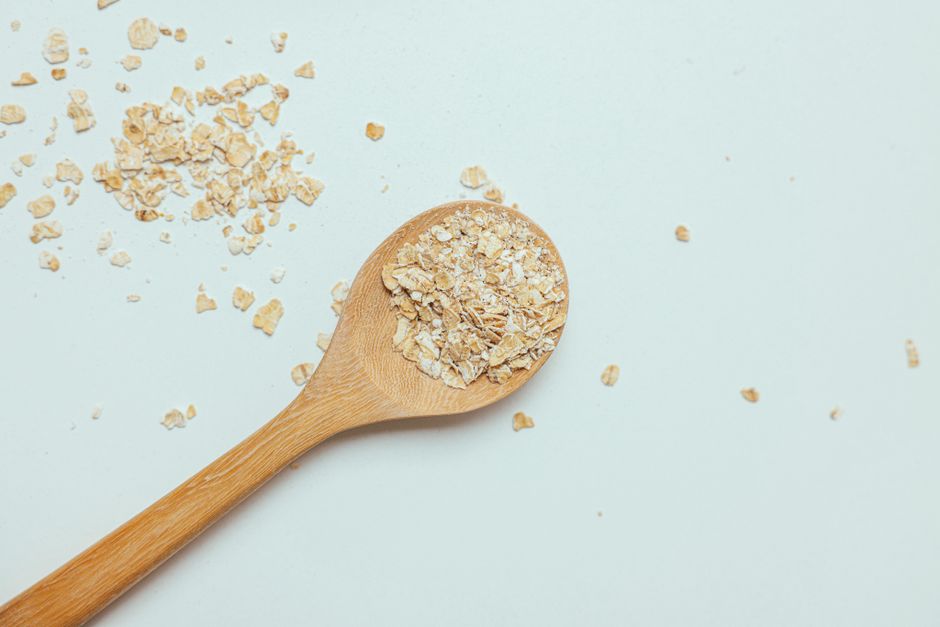
Rolled oats are simply whole oat groats that have been steamed and flattened. To cook them, you combine 1 part rolled oats with 2 parts liquid, bring it to a gentle simmer, and cook for about 5 minutes, stirring occasionally. The result is a creamy, tender breakfast that takes very little effort. This guide covers the basic method, common variations, and what the evidence says about getting the best results.
What Is the Basic Ratio for Cooking Rolled Oats?
The standard ratio is 1 cup of rolled oats to 2 cups of liquid. This can be water, milk, or a mix of both. Using all milk makes the oatmeal richer and creamier but also increases the chance of scorching the bottom of the pot. Water alone works fine and keeps the calories lower.
Salt is important. Add a pinch of salt to the liquid before it boils. The salt does not make the oats taste salty. It brings out the natural flavor of the grain. Research from food science journals confirms that salt enhances the perception of sweetness in grains without adding sugar.
Bring the liquid to a boil first, then stir in the oats. Reduce the heat to a low simmer. Stir occasionally for about 5 minutes. If you want thicker oats, cook for an extra minute or two. For thinner oats, add a splash more liquid near the end.
How Do You Cook Rolled Oats on the Stovetop?
Stovetop is the most common method and gives you the most control. Use a medium saucepan. Bring 2 cups of water or milk to a rolling boil. Add a pinch of salt. Stir in 1 cup of rolled oats.
Reduce the heat to medium-low so the liquid is barely bubbling. Stir every minute or so. After 5 minutes, the oats should have absorbed most of the liquid and look creamy. Remove the pot from the heat and let it sit for one minute before serving.
One mistake people make is cooking on high heat. This causes the liquid to evaporate too fast and leaves the oats undercooked on the inside. Low and slow is better. The oats need time to absorb the liquid evenly.
If you are adding dried fruit like raisins or chopped dates, add them in the last 2 minutes of cooking. They will plump up from the moisture. Fresh fruit like berries or sliced bananas should go on top after cooking.
How Do You Cook Rolled Oats in the Microwave?
The microwave method is faster and requires less cleanup. Use a large microwave-safe bowl. Oats bubble up as they cook, so a bigger bowl prevents overflow. Combine 1 cup of rolled oats and 2 cups of liquid in the bowl. Add a pinch of salt.
Microwave on high for 2 to 3 minutes. Stop halfway and stir. The exact time depends on your microwave wattage. After 2 minutes, check the oats. They should be thick and tender. If they look watery, microwave in 30-second increments until done.
Let the bowl sit in the microwave for one minute after cooking. The oats continue to absorb liquid as they cool. This rest period makes a noticeable difference in texture. Stir before serving.
A common complaint about microwave oatmeal is that it becomes gummy. This usually happens from overcooking or using too small a bowl that traps steam. Stirring at the halfway point breaks up the starch and prevents a gluey texture.





How Do You Cook Rolled Oats for Overnight Oats?
Overnight oats require no heat at all. The oats soften by absorbing liquid over several hours in the refrigerator. The ratio changes slightly because there is no evaporation. Use 1 part rolled oats to 1 part liquid for a thick, spoonable texture.
Combine 1 cup of rolled oats, 1 cup of milk or yogurt, and a pinch of salt in a jar or container. Stir well. Add any extras like chia seeds, maple syrup, or vanilla extract at this point. Chia seeds absorb liquid and thicken the mixture further.
| Liquid Ratio | Texture After 8 Hours |
|---|---|
| 1:1 oats to liquid | Thick and spoonable |
| 1:1.5 oats to liquid | Softer and more porridge-like |
| 1:2 oats to liquid | Thin and soupy |
Refrigerate for at least 6 hours, but overnight is best. Rolled oats need more time than quick oats to soften. If you eat them too early, they will be chewy. Some people report that rolled oats never get as soft as quick oats in overnight preparations. That is true. Rolled oats retain more texture. If you want very soft overnight oats, use quick oats instead.
You can eat overnight oats cold or warm them up in the microwave for 60 seconds. Warm them in the morning if you prefer a hot breakfast.
What Is the Difference Between Rolled Oats and Steel-Cut Oats for Cooking?
Rolled oats and steel-cut oats come from the same grain but are processed differently. Steel-cut oats are whole oat groats chopped into pieces. They have not been steamed or flattened. This means they take much longer to cook, usually 20 to 30 minutes.
Rolled oats are steamed and flattened, which breaks down some of the starch and allows them to cook in about 5 minutes. The texture is softer and creamier. Steel-cut oats remain chewy and nutty even after cooking.
You cannot substitute them one for one in recipes without adjusting the liquid and cooking time. If a recipe calls for rolled oats and you use steel-cut, you need to add more liquid and cook much longer. The opposite is also true. Using rolled oats in a steel-cut recipe will result in mushy oatmeal.
Nutritionally, they are nearly identical. Both are whole grains with similar fiber and protein content. The CDC lists both as healthy whole grain options. The choice comes down to texture preference and how much time you have.
How Do You Cook Rolled Oats Without Them Getting Mushy?
Mushy oatmeal usually comes from overcooking or using too much liquid. Stick to the 1:2 ratio. Do not cook longer than 5 to 6 minutes. Stir gently and only a few times. Over-stirring breaks the oat flakes into smaller pieces and releases more starch, which creates a gluey texture.
Another factor is the age of the oats. Older oats absorb liquid differently and can become mushy faster. Store rolled oats in an airtight container in a cool, dry place. They keep for about 12 months. After that, the texture changes.
If you prefer firmer oats, try the “hot soak” method. Bring the liquid to a boil, add the oats, then immediately turn off the heat and cover the pot. Let them sit for 10 minutes without stirring. This gentle cooking method preserves the shape of the flakes better than constant simmering.
Some people also toast the oats in the dry pan for 2 minutes before adding liquid. This adds a nutty flavor and helps the oats hold their shape slightly better. It is a common technique in Scottish and Irish oatmeal traditions.
How Do You Cook Rolled Oats for Baking?
Rolled oats are common in baked goods like cookies, muffins, and granola bars. For baking, you do not cook the oats beforehand. They soften as they absorb moisture from the other ingredients during baking. Using raw rolled oats gives baked goods a chewy texture.
If you want a softer oat texture in baked goods, you can soak the oats in the liquid called for in the recipe for 15 minutes before mixing everything together. This works well for muffins and quick breads. The oats will not be crunchy or dry in the final product.
For granola, toss rolled oats with oil and sweetener and bake at 300°F for 20 to 25 minutes, stirring halfway. Rolled oats hold up better than quick oats in granola because they are thicker. They stay crunchy longer after baking.
Avoid using steel-cut oats in baking unless the recipe specifically calls for them. They do not soften enough during short baking times and will be hard and unpleasant to eat.
Common Misconceptions About Cooking Rolled Oats
One widespread claim is that you must soak rolled oats overnight to remove phytic acid. This is true for raw grains but less relevant for rolled oats because they are already steamed. The steaming process reduces phytic acid significantly. Soaking is optional and is not necessary for digestion or nutrient absorption.
Another myth is that rolled oats are the same as instant oats. They are not. Instant oats are cut into smaller pieces and pre-cooked, then dried. They cook in about one minute but have a softer, mushier texture. Rolled oats take longer but hold their shape better and have a lower glycemic response according to research published in the Journal of Nutrition.
Some people believe that cooking oats destroys their nutrients. This is not accurate. Cooking oats makes their nutrients more available. The heat breaks down starches so your body can digest them. It also releases beta-glucan, the soluble fiber that helps lower cholesterol. The American Heart Association notes that cooked oatmeal is a heart-healthy food because of this fiber.
There is also a claim that you should never use milk because it blocks nutrient absorption. This is not supported by evidence. Milk may slow down the absorption of some minerals slightly, but the overall effect is small. Using milk adds protein and calcium. The choice between water and milk is personal preference, not a health concern.
Frequently Asked Questions
Can you cook rolled oats without boiling them?
Yes. You can make overnight oats by soaking them in liquid in the refrigerator for at least 6 hours. No heat is needed.
How long do rolled oats take to cook on the stove?
Rolled oats take about 5 minutes on the stove at a low simmer. Let them rest for one minute after cooking.
What is the best liquid to use for cooking rolled oats?
Water works fine and keeps calories low. Milk makes them creamier and adds protein. A 50-50 mix gives a good balance.
Can you use rolled oats in place of quick oats?
Yes for most recipes but you need to cook them longer. Rolled oats take about 5 minutes while quick oats take 1 to 2 minutes.
