
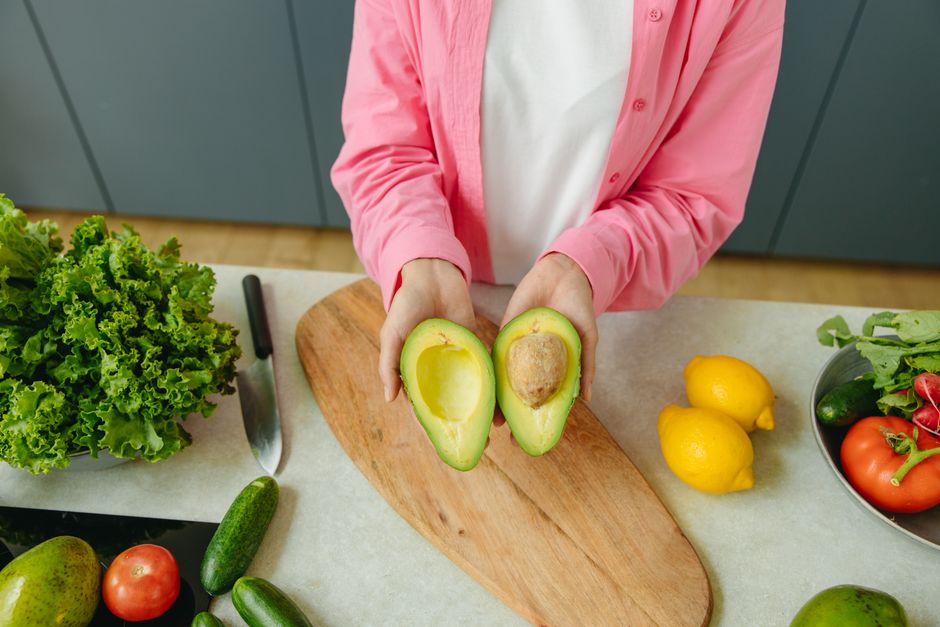
Yes, you can cook avocado, but it changes the fruit in ways you need to know about before you try it. Unlike most vegetables, avocado does not soften and become more tender when heated. Instead, it can turn bitter and develop an unpleasant mushy texture. The science behind this is clear, and knowing it will help you decide when cooking avocado is a good idea and when it is a mistake.
What Happens When You Heat an Avocado?
The main problem with cooking avocado comes down to its chemistry. Avocados are packed with monounsaturated fats, which are healthy at room temperature. When you apply high heat, those fats oxidize. Oxidation changes the flavor compounds, which is why heated avocado often tastes bitter or metallic.
The texture changes too. Avocado contains enzymes called polyphenol oxidases. These are the same enzymes that cause browning when you cut an avocado and leave it out. Heat deactivates these enzymes, which stops the browning. But heat also breaks down the cell walls in the fruit. The result is a soft, almost pasty texture that many people describe as unpleasant.
Think of it this way. A ripe avocado is already soft. Cooking it does not transform it like cooking a potato or a piece of meat. It simply breaks down what is already there.
Does Cooking Destroy Avocado Nutrients?
Yes, some nutrients are lost when you cook avocado, but not all of them. Heat degrades heat-sensitive vitamins, particularly vitamin C and several B vitamins. These are water-soluble vitamins, and they break down at high temperatures.
The healthy fats in avocado are more stable. Monounsaturated fats can withstand moderate heat without major damage. However, very high heat, like deep frying, can cause the fats to break down and form compounds that are less healthy.
Some research suggests that cooking can actually make certain nutrients more available. Carotenoids, which are antioxidants that give avocado its yellow-green color, may be better absorbed after heating. This is similar to how cooked tomatoes release more lycopene. The evidence here is not overwhelming, but it does suggest that cooked avocado is not entirely without nutritional value.
The honest takeaway: cooking avocado reduces some nutrients and keeps others. It is not a nutritional disaster, but it is also not better than eating it raw.
Is It Safe to Cook Avocado?
Yes, it is completely safe. There is no toxicity or food safety concern with cooking avocado. The bitterness and texture change are the only real issues.
One thing to watch is the pit. The avocado pit contains a compound called persin. Persin is toxic to some animals, like horses and birds, but not to humans. Cooking the pit does not change this. You should always remove the pit before cooking the flesh.
If you are cooking for someone with a sensitive stomach, be aware that the high fat content of avocado can be harder to digest when cooked. This is not a safety issue, but it might cause discomfort for some people.





Can You Bake or Roast Avocado?
Roasting or baking avocado is possible, but it requires a different approach than roasting other vegetables. The key is low heat and short time.
If you roast avocado halves at a high temperature, like 400°F or above, they will become mushy quickly. A better method is to roast them at around 350°F for 5 to 10 minutes. This warms the avocado through without completely destroying its structure.
Some recipes call for baking avocado with eggs in the center. This works because the egg provides structure and the avocado acts as a bowl. The avocado will still soften, but the egg holds everything together. It is a popular breakfast dish, and it tastes better than plain baked avocado because the egg flavors mask some of the bitterness.
The texture of baked avocado is not for everyone. If you try it and do not like it, that is a normal reaction. You did not do anything wrong. The avocado simply does not behave like other baked fruits and vegetables.
What About Frying Avocado?
Frying avocado is one of the more successful ways to cook it. This is because the breading or batter creates a barrier between the hot oil and the fruit. The coating gets crispy while the inside warms up but does not get directly exposed to the high heat.
Avocado fries and fried avocado wedges have become popular in restaurants. They can work well at home too. The key is to use a firm avocado that is slightly underripe. A fully ripe avocado will fall apart in the hot oil.
There is a trade-off here. Deep frying adds significant calories and fat to an already high-fat food. If you are cooking avocado this way for health reasons, you are working against yourself. Fried avocado is a treat, not a health food.
Pan-frying avocado without breading is less successful. The direct heat causes the same bitter flavor and mushy texture as roasting, but faster. If you want to try it, use medium heat and only cook for a minute or two on each side.
The Best Way to Cook Avocado
If you want to include avocado in a hot dish, the best approach is often to add it at the end. This is a technique used in many cuisines, especially in Mexican cooking.
Add diced or sliced avocado to soups, stews, and stir-fries in the last minute of cooking. This warms the avocado through without breaking it down. You get the creamy texture and the flavor without the bitterness of fully cooked avocado.
Grilling avocado is another option that works better than you might expect. Cut the avocado in half, remove the pit, and brush the cut side with oil. Place it cut side down on a hot grill for 2 to 3 minutes. The grill marks add a smoky flavor, and the short cooking time limits the texture damage.
If a recipe calls for avocado in a sauce or dip that will be heated, consider a different approach. You can add avocado to a warm sauce right before serving, or you can use it as a garnish on top of the hot food. The avocado will warm up from the heat of the dish without being cooked directly.
When Cooking Avocado Is a Mistake
There are some uses where cooking avocado simply does not work. Replacing avocado in baked goods is one of them. Some recipes use avocado as a butter substitute in brownies or cakes. The result is often dense and heavy, and the avocado flavor can come through in an unpleasant way.
Boiling avocado is another mistake. The water breaks down the cell structure completely, leaving you with a watery, flavorless paste. There is no culinary reason to boil avocado.
Microwaving avocado is also not recommended. The rapid heating causes uneven cooking and makes the texture worse than any other method. It will be mushy on the outside and cold in the center.
The general rule is simple: if you want the creamy, buttery texture of avocado, eat it raw. If you want to add avocado flavor to a hot dish, add it at the end. Only use cooking methods that protect the avocado from direct, prolonged heat.
What the Evidence Does Not Show
There is a lot of marketing around cooked avocado products. Some companies sell avocado oil for cooking, which is different from cooking the fruit itself. Avocado oil has a high smoke point, which makes it good for frying. But this does not mean the fruit behaves the same way.
Some wellness blogs claim that cooking avocado makes it healthier. The evidence does not support this. While some nutrients may become more available, the overall nutritional profile of cooked avocado is not superior to raw avocado. No major study has shown that cooked avocado is better for you than raw avocado.
Claims that cooking avocado removes all its health benefits are equally unsupported. The fats remain largely intact at moderate temperatures. Cooked avocado is still a nutritious food. It is just not identical to raw avocado.
Frequently Asked Questions
Can you cook avocado without it turning bitter?
Yes, but only with short cooking times and low to medium heat. Adding avocado at the very end of cooking is the most reliable way to avoid bitterness.
Is fried avocado healthy?
Fried avocado is higher in calories and fat than raw avocado because of the oil absorbed during frying. It is fine as an occasional treat, but it is not a health food.
Does cooking avocado destroy its healthy fats?
Moderate heat does not destroy the monounsaturated fats in avocado. Very high heat, like deep frying, can break down fats and reduce their quality.
Can you eat cooked avocado the next day?
Cooked avocado does not store well. It will become mushy and may develop an off flavor within hours. It is best eaten immediately after cooking.
