
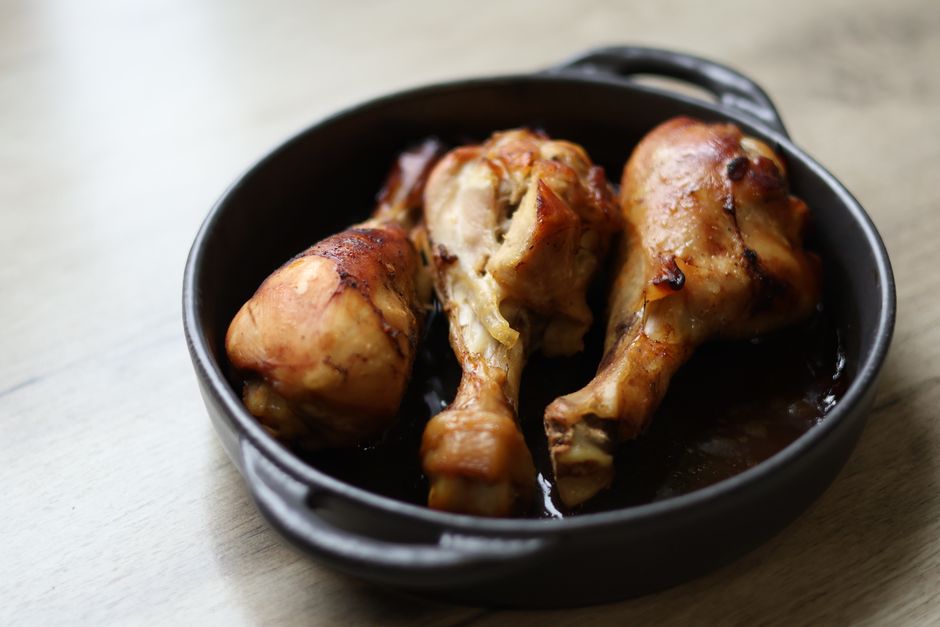
You open the oven door. Steam rises from a pan of chicken that is golden brown on the outside and juicy on the inside. This is what happens when you know the basics. Cooking chicken in the oven is simple. You preheat the oven to 400°F (200°C). You season the chicken. You place it in a baking dish. You cook it until the internal temperature reaches 165°F (74°C) at the thickest part. That is the whole method. Everything else is just details that make it better.
What Temperature Should You Set the Oven To?
The standard answer is 400°F. Research from the USDA shows that cooking poultry at 350°F to 425°F is safe as long as the internal temperature hits 165°F. But 400°F is the sweet spot. It is hot enough to brown the skin and keep the meat moist without drying it out.
Some recipes call for 375°F. This works fine for bone-in pieces that need more time to cook through. Dark meat like thighs and legs can handle 425°F because the extra fat keeps them from drying out. Breast meat is leaner. At 425°F it can become dry if you overcook it by even a few minutes.
As of 2026, most home ovens run slightly cooler than the dial says. An oven thermometer is a cheap tool that fixes this. Place it in the center of the oven. Adjust your temperature setting until the thermometer reads the number you want. This one step improves your results more than any fancy seasoning.
How Long Does It Take to Cook Chicken in the Oven?
Time depends on the cut of chicken and whether it has bones or skin. Here is what current research and cooking science tells us.
Boneless skinless chicken breasts at 400°F take 20 to 25 minutes. Thicker breasts need closer to 30 minutes. Bone-in chicken breasts take 35 to 45 minutes. Chicken thighs with bone-in cook in 40 to 45 minutes. A whole chicken at 400°F needs about 20 minutes per pound plus an extra 15 minutes.
These are estimates. The only reliable way to know when chicken is done is a meat thermometer. Insert it into the thickest part of the meat without touching bone. When it reads 165°F the chicken is safe to eat.
| Chicken Cut | Temperature | Approximate Time |
|---|---|---|
| Boneless skinless breast | 400°F | 20-25 minutes |
| Bone-in breast | 400°F | 35-45 minutes |
| Bone-in thigh | 400°F | 40-45 minutes |
| Whole chicken | 400°F | 20 min per pound + 15 min |
| Drumsticks | 400°F | 35-40 minutes |
| Chicken wings | 425°F | 40-45 minutes |
Let the chicken rest for five minutes after it comes out of the oven. This lets the juices redistribute. Cut into it immediately and the moisture runs onto the cutting board instead of staying in the meat.
How Do You Keep Chicken From Drying Out in the Oven?
Dry chicken is the most common complaint people have. The cause is almost always the same: cooking past 165°F. Once the internal temperature passes 170°F, the proteins tighten and squeeze out moisture. This is not a guess. Food science studies have measured this effect.
Brining helps. A simple saltwater brine for 30 minutes to four hours changes the protein structure so the meat holds onto more moisture during cooking. Dry brining works too. Rub salt on the chicken and leave it uncovered in the fridge for a few hours or overnight. The salt penetrates the meat and the air dries the skin, which helps it brown better.
Cooking chicken covered with foil for the first half of the time traps steam and prevents drying. Remove the foil for the last 10 to 15 minutes to brown the skin. This method is especially useful for boneless breasts that dry out easily.
Another technique is to cook chicken in a sauce or broth. The liquid in the pan keeps the environment moist. This does not make the chicken soggy. It just prevents the surface from drying out before the inside is done.





What Is the Best Way to Season Chicken Before Baking?
Seasoning is simple if you follow one rule: salt goes on first and early. Salt penetrates the meat and changes how it cooks. Other seasonings like pepper, garlic powder, or paprika stay on the surface.
Rub the chicken with oil first. Olive oil or avocado oil both work. The oil helps the seasoning stick and helps the skin brown. Then apply salt evenly. Use about one teaspoon of salt per pound of chicken. Add black pepper, garlic powder, onion powder, or dried herbs like thyme and rosemary.
Marinating adds flavor but does not make the meat juicier. Many people believe a marinade keeps chicken moist. This is not accurate. Marinades mostly affect the outer layer of the meat. They add taste but do not prevent drying. Only time and temperature control do that.
One non-obvious tip: pat the chicken dry with paper towels before seasoning. Wet skin steams instead of browning. Dry skin gets crispy. This is a small step that makes a noticeable difference.
Should You Use a Baking Dish or a Sheet Pan?
Both work. The choice depends on what you want the final result to look like.
A baking dish with high sides is best when you are cooking chicken with vegetables or a sauce. The liquid stays contained and the chicken cooks in a moist environment. This works well for bone-in pieces or a whole chicken.
A sheet pan with low sides is better for crispy skin. More surface area is exposed to the hot air. The chicken browns evenly. Sheet pans are ideal for chicken thighs, drumsticks, and wings. Line the pan with parchment paper or foil for easier cleanup.
Do not crowd the pan. Leave space between pieces of chicken. When pieces touch each other, the steam gets trapped between them and the skin does not crisp. A crowded pan also cooks unevenly because the oven air cannot circulate.
A wire rack set inside the sheet pan is even better. It lifts the chicken off the pan so air flows all around it. This gives you crispy skin on the bottom as well as the top. It is a small investment that changes the texture noticeably.
How Do You Know When Oven-Cooked Chicken Is Safe to Eat?
The only accurate method is a meat thermometer. Color is not reliable. Chicken can look fully cooked on the outside and still be undercooked inside. The USDA has stated this clearly. Pink meat near the bone does not always mean it is unsafe. And white meat does not always mean it is done.
Insert the thermometer into the thickest part of the meat. For a whole chicken, check the inner thigh without touching the bone. For breasts, insert from the side into the center. The temperature should read 165°F.
Some people argue that 155°F held for a minute is also safe. This is true from a food safety standpoint because bacteria die at lower temperatures if held long enough. But for home cooking, 165°F is the standard because it is simpler and removes all doubt.
Letting the chicken rest after cooking is not optional for safety. It is optional for texture. Resting does not change the safety. It changes how the meat feels when you bite into it. Skip the rest and the meat will be drier and tougher.
Frequently Asked Questions
Can you cook frozen chicken in the oven without thawing it first?
Yes, but it takes about 50 percent longer. Use a lower temperature of 375°F and check the internal temperature carefully to make sure it reaches 165°F.
Do you need to cover chicken when baking it in the oven?
Not always. Covering traps steam and keeps the meat moist. Leaving it uncovered gives you browner, crispier skin. Choose based on your priority.
How do you reheat cooked chicken in the oven without drying it out?
Wrap the chicken in foil with a splash of broth or water. Heat at 350°F for 10 to 15 minutes. The moisture from the liquid keeps the meat from drying.
Is it better to bake chicken at 350 or 400 degrees?
400 degrees is better for most cuts. It cooks faster and browns the skin. 350 degrees works for larger whole chickens or when cooking with vegetables that burn easily.
