
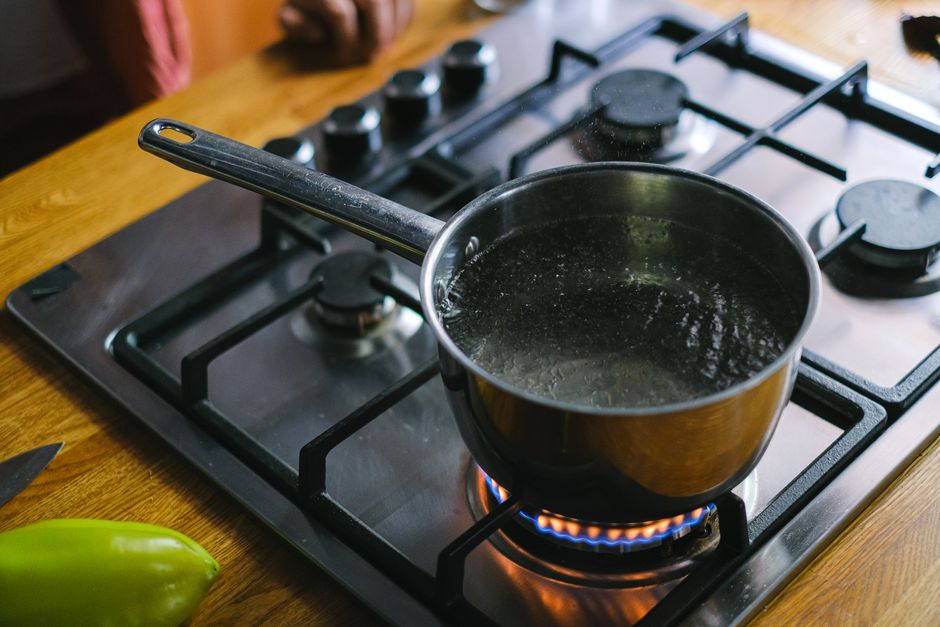
Boiling an egg seems simple, but the difference between a perfect soft-boiled egg and a rubbery disappointment comes down to minutes. The exact time depends on your desired yolk consistency and whether you start with cold or boiling water. For a large egg straight from the refrigerator into boiling water, a soft-boiled egg with a runny yolk takes about 6 minutes, a medium egg with a jammy yolk takes about 8 minutes, and a hard-boiled egg takes 10 to 12 minutes.
What Are the Exact Boiling Times for Large Eggs?
These times are for large eggs placed into already boiling water. If you start with cold water and bring it to a boil together, add 1 to 2 minutes to these times. Smaller eggs cook faster. Extra-large eggs need slightly more time.
- 5 to 6 minutes: Soft-boiled. The white is set but tender. The yolk is completely runny.
- 7 to 8 minutes: Medium-boiled. The white is firm. The yolk is jammy or custard-like, with a slightly soft center.
- 9 to 10 minutes: Hard-boiled. The yolk is fully set but still moist and bright yellow.
- 11 to 12 minutes: Firm hard-boiled. The yolk is fully cooked, pale yellow, and crumbly. This is ideal for egg salad or deviled eggs.
Beyond 13 minutes, the yolk develops a greenish-gray ring. This happens because iron in the yolk reacts with sulfur in the white. The egg is safe to eat, but the texture becomes chalky and the flavor slightly sulfurous.
Does the Cooking Method Change the Time?
Yes. The most reliable method is lowering eggs into boiling water with a slotted spoon. This gives you precise timing because the water is already at a consistent temperature.
The cold-start method involves placing eggs in a pot, covering them with cold water, and bringing everything to a boil together. When the water reaches a full boil, remove the pot from heat and cover it. Let the eggs sit in the hot water for 9 to 12 minutes depending on your desired doneness. This method is more forgiving if you are worried about cracked shells, but timing is less precise because the temperature changes gradually.
Steaming is another option. Place eggs in a steamer basket over boiling water. Steamed eggs are often easier to peel than boiled eggs. Use the same timing as the boiling water method, adding 1 minute for a fully set white.
How Do I Get the Perfect Soft-Boiled Egg?
Soft-boiled eggs are popular for toast soldiers or ramen. The goal is a fully set white with a liquid yolk. This requires precise timing and quick cooling.
Bring water to a rolling boil. Gently lower the eggs in with a spoon. Set a timer for 6 minutes. When the timer goes off, immediately transfer the eggs to an ice bath or run them under cold water for 30 seconds. This stops the cooking process instantly. If you skip the cold water, the residual heat continues cooking the yolk for another minute or two.
For a slightly thicker soft yolk, cook for 6 minutes and 30 seconds. The white will be firmer near the shell, and the yolk will coat a spoon rather than pour.





What Is the Best Way to Peel a Boiled Egg?
Peeling is easier with older eggs. Fresh eggs have a lower pH, which makes the inner membrane stick tightly to the shell. Eggs that are 7 to 10 days old peel much more easily.
Regardless of age, a quick ice bath helps. After boiling, plunge the eggs into ice water for at least 5 minutes. This shocks the shell and causes the egg to contract slightly, separating it from the membrane.
To peel, gently tap the egg on a hard surface to crack the shell all over. Roll it under your palm to loosen the shell. Start peeling from the wider end, where the air pocket sits. Peeling under running water helps wash away shell fragments and makes the process smoother.
Why Do Some Eggs Develop a Green Ring Around the Yolk?
The greenish-gray ring around a hard-boiled yolk is a chemical reaction, not a sign of spoilage. It forms when eggs are cooked too long or cooled too slowly.
Heat causes the egg white to release hydrogen sulfide gas. This gas reacts with iron in the yolk to form ferrous sulfide, which appears green or gray. The reaction accelerates at high temperatures and continues as long as the egg stays hot. Quickly transferring eggs to an ice bath stops this reaction and prevents the ring from forming.
Eggs with a green ring are perfectly safe to eat. The flavor may be slightly different, but there is no health risk.
How Long Do Boiled Eggs Last in the Refrigerator?
Hard-boiled eggs last up to 7 days in the refrigerator. Keep them in their shells until you are ready to eat them. The shell protects the egg from bacteria and prevents it from absorbing refrigerator odors.
Soft-boiled eggs should be eaten immediately. They are not safe to store because the runny yolk does not reach a high enough internal temperature to kill all potential bacteria during cooking. If you must store a soft-boiled egg, refrigerate it and eat it within 24 hours, but this is not recommended.
Peeled hard-boiled eggs should be stored in a covered container with a damp paper towel. They will last about 5 days. Discard any egg that has an unusual odor, sliminess, or discoloration.
Are There Any Safety Concerns With Boiled Eggs?
Salmonella is the main concern with eggs. It can be present on the shell or inside the egg itself. Cooking eggs until the white and yolk are firm kills Salmonella bacteria.
Soft-boiled eggs with runny yolks carry a small risk of foodborne illness. This risk is higher for pregnant women, young children, older adults, and people with weakened immune systems. These groups should eat only fully cooked eggs with firm yolks.
To reduce risk, use pasteurized eggs for soft-boiled recipes. Pasteurized eggs are heated to a temperature that kills bacteria without cooking the egg. They are available in most grocery stores.
Always wash your hands and any surfaces that touch raw egg shells. Cracked or dirty eggs should be discarded.
How Do Altitude and Egg Size Affect Cooking Time?
At high altitudes, water boils at a lower temperature. This means eggs take slightly longer to cook. For every 1,000 feet above sea level, add about 1 minute to your boiling time.
Egg size also matters. The times listed earlier are for large eggs, which are the standard in most recipes. Medium eggs cook about 1 minute faster. Extra-large eggs need about 1 minute longer. Jumbo eggs may need 2 extra minutes.
If you are unsure about your eggs, cook one test egg first. Cut it open and check the yolk. Adjust your timing for the rest of the batch.
Can I Reheat a Boiled Egg?
Yes. Peeled hard-boiled eggs can be reheated in hot water or in the microwave. Place the egg in a bowl of hot water for 2 to 3 minutes, or microwave in 15-second intervals until warm.
Do not microwave an egg in its shell. The trapped steam can cause the egg to explode. This is dangerous and can cause serious burns.
Reheated eggs may have a slightly rubbery texture. This is a texture change, not a safety issue. For best quality, eat boiled eggs cold or at room temperature.
Frequently Asked Questions
How long do you boil an egg for a runny yolk?
Boil a large egg for 6 minutes for a fully runny yolk. Transfer it to an ice bath immediately to stop the cooking process.
How long should I boil eggs for hard-boiled eggs?
Boil large eggs for 10 to 12 minutes for fully set hard-boiled yolks. The 12-minute mark gives a firmer, crumbly yolk ideal for chopping or mashing.
Is it better to boil eggs from cold water or boiling water?
Lowering eggs into boiling water gives more precise timing and easier peeling. The cold-start method is gentler but less predictable because the water temperature changes as it heats.
How do I stop boiled eggs from getting a green yolk?
Cool the eggs in an ice bath immediately after boiling. The green ring forms when eggs stay hot too long, so rapid cooling prevents the reaction.
